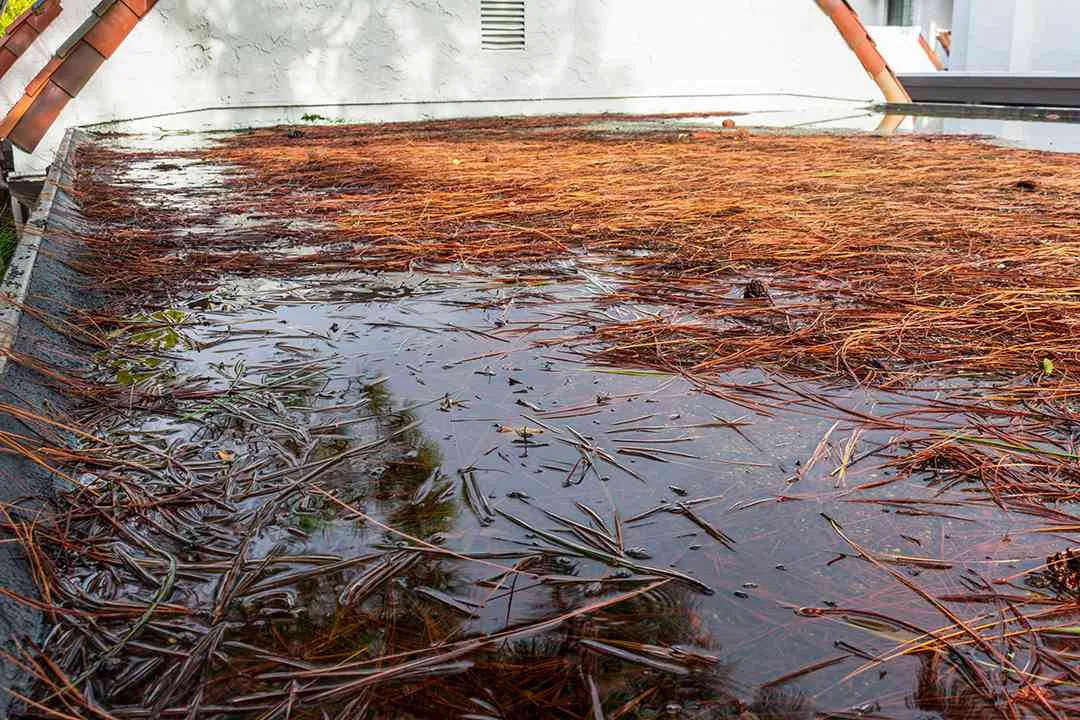
A seam repair starts long before the heat gun: the manager sends the tenant a short notice, confirms which hatch or ladder the crew will use and agrees on where the lift can stand without blocking a loading door. The roof condition that decides the first move is whether the open seam sits over dry insulation or over wet. In Lee's Summit, MO, seams on low-slope roofs work through winters that average a 39 degree January high and summers near 88, with a record range from -25 to 108 degrees, and the cycle pries at every lap on the roof. The questions to settle are how many seams are open, why, and how fast they should be closed.
Seams fail in ways that depend on the roof system. Thermoplastic sheets such as TPO are joined by hot-air welds, and a good weld fuses two layers into one, while a weld made over a dirty or damp surface peels. Rubber sheets such as EPDM rely on seam tape or adhesive that can lose its grip as the rubber weathers. Modified bitumen laps are heat-fused or cold-adhered and can open when the roof flexes.
Built-up roofs have felts that overlap in a similar way, and a lap that has dried can open too. We identify the system at a core cut before choosing a repair, because the method for a split TPO weld differs from the method for an opened bitumen lap.
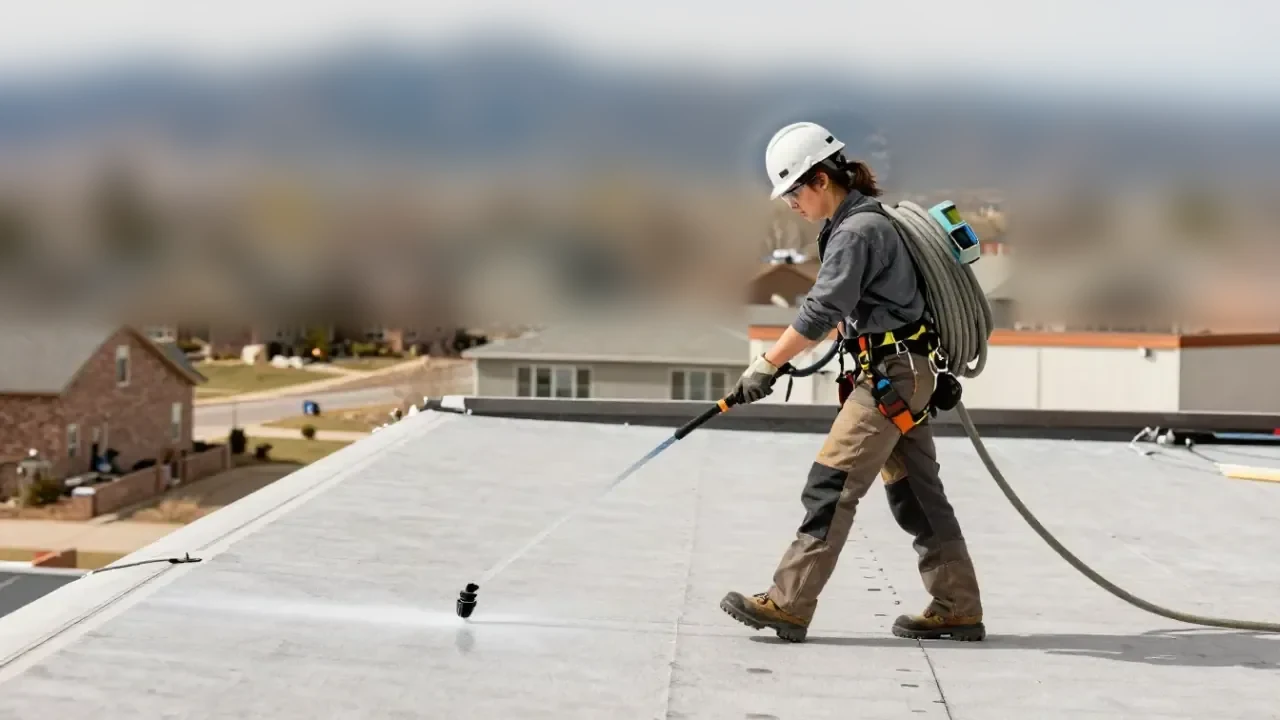
A visual walk finds the obvious splits, and a probe finds the rest. We run a blunt tool along each seam edge, feeling for places where the lap gives way, and mark every open length with a paint line and a number. The record notes length, width of the opening, the likely cause and what lies below, and photographs show a wide view and a close view of each mark.
The probe order follows the roof drawing, from the low edge to the high, so water paths are traced as the walk proceeds. Seams near drains, along ponds and at wall bases are probed twice, since those are the places where failures cluster.
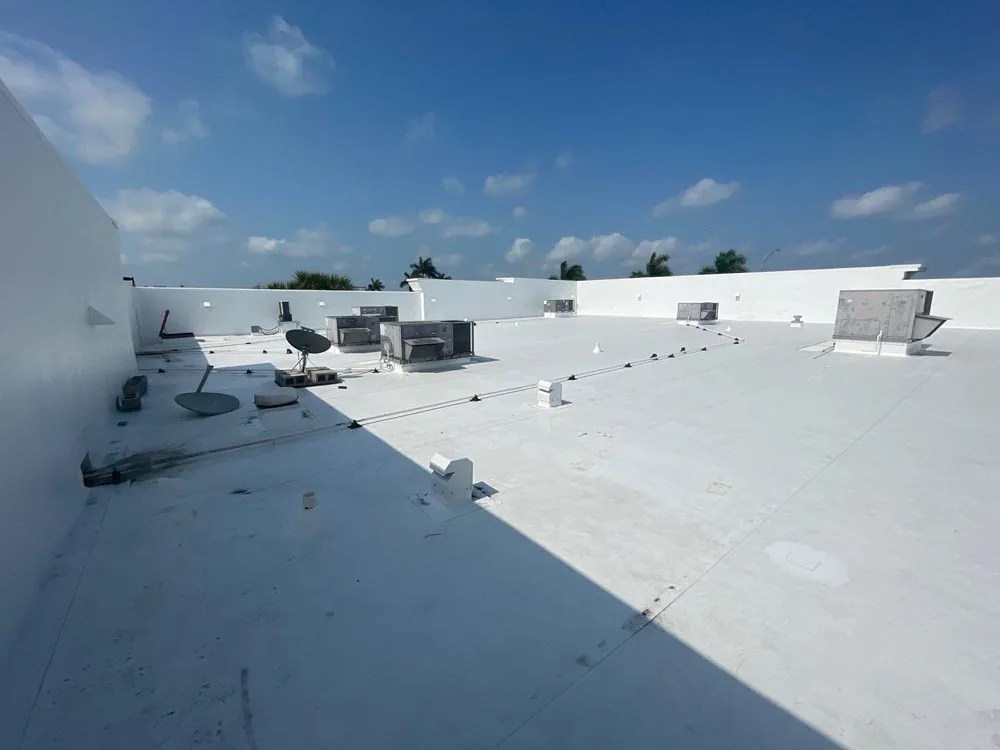
Access for the probe walk is arranged with the manager in advance. The hatch key, the ladder location and the hours when the roof can be entered are written on the first page of the report, together with the tenant notice that went out. Roofs with rooftop units are walked along the service routes first, because technicians' boots grind grit into laps and a worn path often shows opened seams along its length.
Most open seams trace to one of three conditions. Thermal movement flexes the lap every day, standing water keeps it wet and stresses small flaws, and age stiffens the sheet and dries the adhesive. Poor workmanship at installation shows as a seam that opens early, often in a repeated pattern along one run.
We separate those cases by pattern. One failed lap points to a bad weld, a cluster near a drain points to ponding, a run along the sun-facing slope points to heat and UV, and many laps open at similar ages points to a roof that is wearing out as a whole.
Mechanical fasteners at a lap are part of the cause on some roofs. On a mechanically attached system, a plate that has backed out or a bar that has loosened pulls the seam edge up and starts the opening, so tightening or replacing those fasteners is part of the seam repair. Foot traffic and dropped tools add to it, which is why walkway pads are recommended along the routes technicians use.
If water has been entering, the insulation beneath a seam may be wet, and a patch over wet board seals the water in. An infrared scan on a dry afternoon maps the wet zones, and core cuts confirm them. The repair boundary follows the wet area, so a short seam may bring a larger insulation repair with it.
The manager receives the moisture drawing with the seam map, and the two together show whether this is a repair for the maintenance budget or the start of a section replacement.
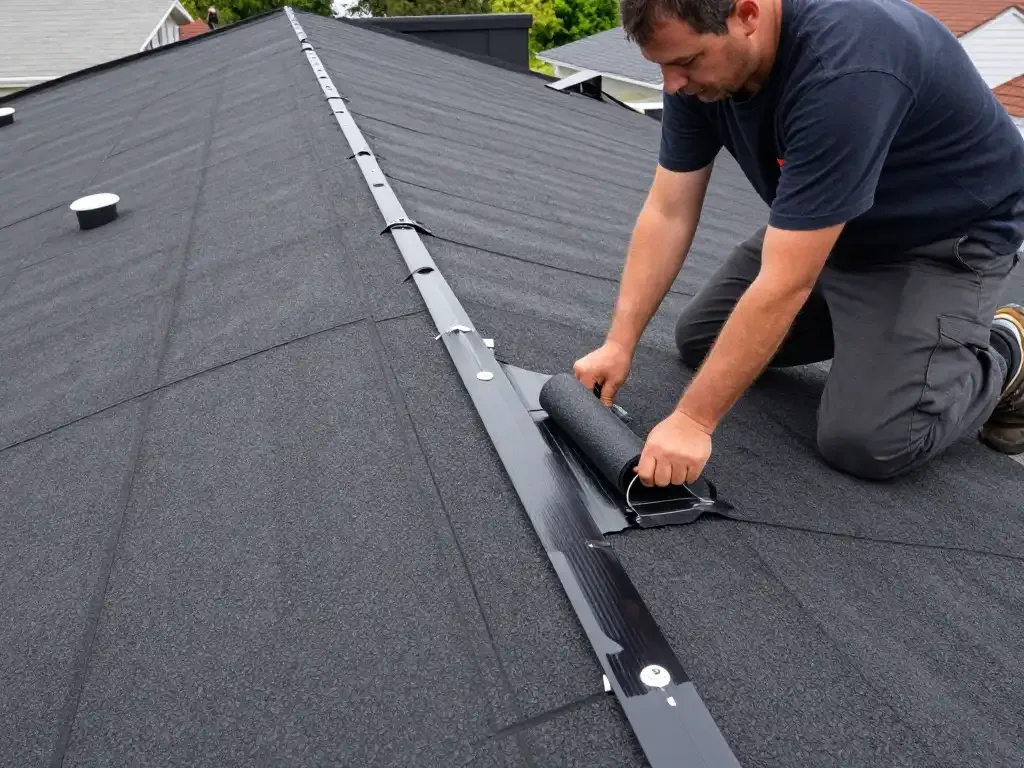
Thermoplastic seams that have not weathered much can be cleaned and welded again, and a cover strip welded over the lap seals it with fresh material when the old surface is dirty. EPDM laps are reopened, cleaned, primed and bonded with new tape or capped with a cover strip. Modified bitumen laps are heated and pressed or sealed with mastic and a fabric cap. The aim of a commercial roof repair is a seam that matches the field in strength.
Cold weather limits what can be welded or bonded, so temporary seals hold in winter and permanent work returns to a mild day. A weather hold rule keeps the crew from opening a seam when rain is forecast inside the cure time.
Surface preparation decides how long the repair lasts. Silt, pollen and oxidized surface are removed from both sides of the lap before heat or adhesive is applied, and a test probe after the repair confirms the bond. The staging area stays where it was set on the first walk, and the dry-in point for each section is set before the first seam is opened, so the crew closes what it opens each day.
The turnover package includes the seam map with repaired lengths marked, the probe results after cure and a punch list of items held for weather. Property managers with buildings in Raymore and Lee's Summit can keep the maps side by side, and owners along I-470 and US 50 use the same format to compare roofs. At the next spring walk the same laps are probed again, and any that reopened tell us the cause was movement or moisture the first repair did not reach.
Seam pricing follows the number of open lengths, the system type, the amount of wet insulation, lift access and the hours the building allows, and the proposal names each one. The manager can approve the work in stages, starting with the seams over occupied space and moving to the rest as budget allows.
Look for a dark line, a lifted edge or silt along a lap after a thaw. A probe along the seam finds openings that cannot be seen, and the probe record shows how many there are.
No. Some sit above sound insulation and are caught early, while others sit over a low spot and leak at once. The location of the opening sets the urgency.
A temporary seal can be applied in cold weather. Permanent welds and bonds wait for a dry day inside the manufacturer's temperature range.
When many laps are open, the sheet has gone brittle, or moisture runs through the insulation along most seams. Spot repairs then cost more over time than a section replacement.
With a probe along its full length after the weld or bond has cured, and a visual check for gaps. Each repaired length is marked on the plan and photographed.
Send the building address list, tenant hours and any open leak reports. We will walk the roof with the property manager and provide a written sequence plan before any scope is priced.
Request a Roof Assessment