
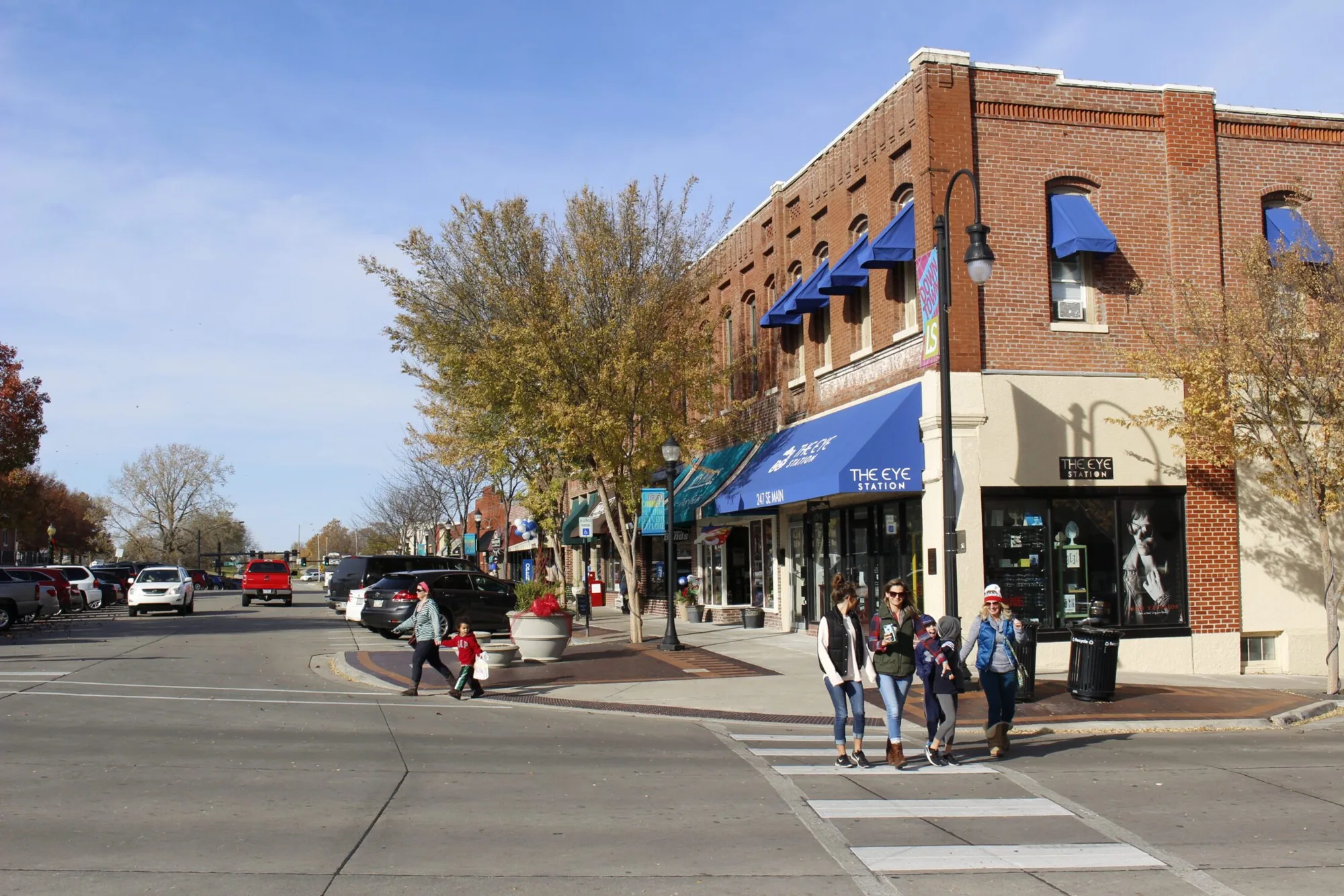
Most roof jobs are decided before a crew arrives, by the notice the tenants receive and the route the trucks take. Commercial Roofing Lee's Summit repairs, replaces, recovers, restores and maintains low-slope and metal roofs on commercial buildings in Lee's Summit, MO and the Kansas City metro area. A property manager along I-470, US 50 or MO 291 usually has dock hours, a loading door that cannot be blocked at noon and a roof hatch above a working suite. The work starts there, with the sequence the manager will live through, and then moves to the roof condition that decides the first step.
The company works on occupied buildings and plans around tenants, operations and schedules. Emergency response runs around the clock, every day of the week, holidays included.
Crews repair leaks and storm damage, replace roofs that have reached the end of their service, add recover layers where the existing roof is dry, and restore sound roofs with coatings. Inspection work includes hands-on walks, drone surveys, infrared moisture surveys and written condition reports with photographs. Preventive maintenance programs and insurance claim documentation complete the list.
The systems installed and repaired include TPO, PVC, EPDM, KEE, modified bitumen, built-up roofing, standing seam and retrofit metal, spray foam, and silicone and acrylic coatings. Each choice follows the cores and moisture readings, not a preference.
The first step is a day-one site walk with the property manager. The walk fixes the access route, the hoist and staging footprint, the dock and entry hours and the point where any opened section will be dried in. A written sequence plan follows, before any scope is priced, so the manager sees the order of work and the tenant notices that go with it.
Work then runs in phases, with each phase boundary marked on the roof drawing. Weather hold rules are written into the plan, since a section opened in the morning has to be closed against weather by evening. At the end, a turnover package records each area that was opened and closed and sets the checks for the next walk, and a punch list clears the small items. A single leak follows the same steps in a shorter form, and commercial roof leak repair starts with the interior report and a walk of the roof above it.
Hoist and staging footprints get the same attention as the membrane. A lift that sits where a delivery truck must turn stops the building, so the footprint is marked on the site drawing, and any rooftop unit curb that has to be disturbed is listed with its reconnection step.
Annual precipitation in Lee's Summit runs about 38 inches, with 4.5 inches of snow; January afternoons average near 39F and July afternoons near 88F. Its record high is 108F and its record low is minus 25F, so low-slope roofs see a wide annual temperature range. In spring, severe thunderstorm warnings set the schedule. A spring warning on April 27, 2024 put 60 mph gusts and penny-size hail in the forecast for the city and told residents to expect roof, siding and tree damage.
That is why spring work carries a weather hold rule and why preventive visits are timed ahead of the storm window. The metro's history includes the 1957 Ruskin Heights tornado, an EF3 tornado at Oak Grove on March 6, 2017 and a 2002 ice storm that knocked out power for hundreds of thousands, so the plans for hail and wind damage keep a clear emergency path.
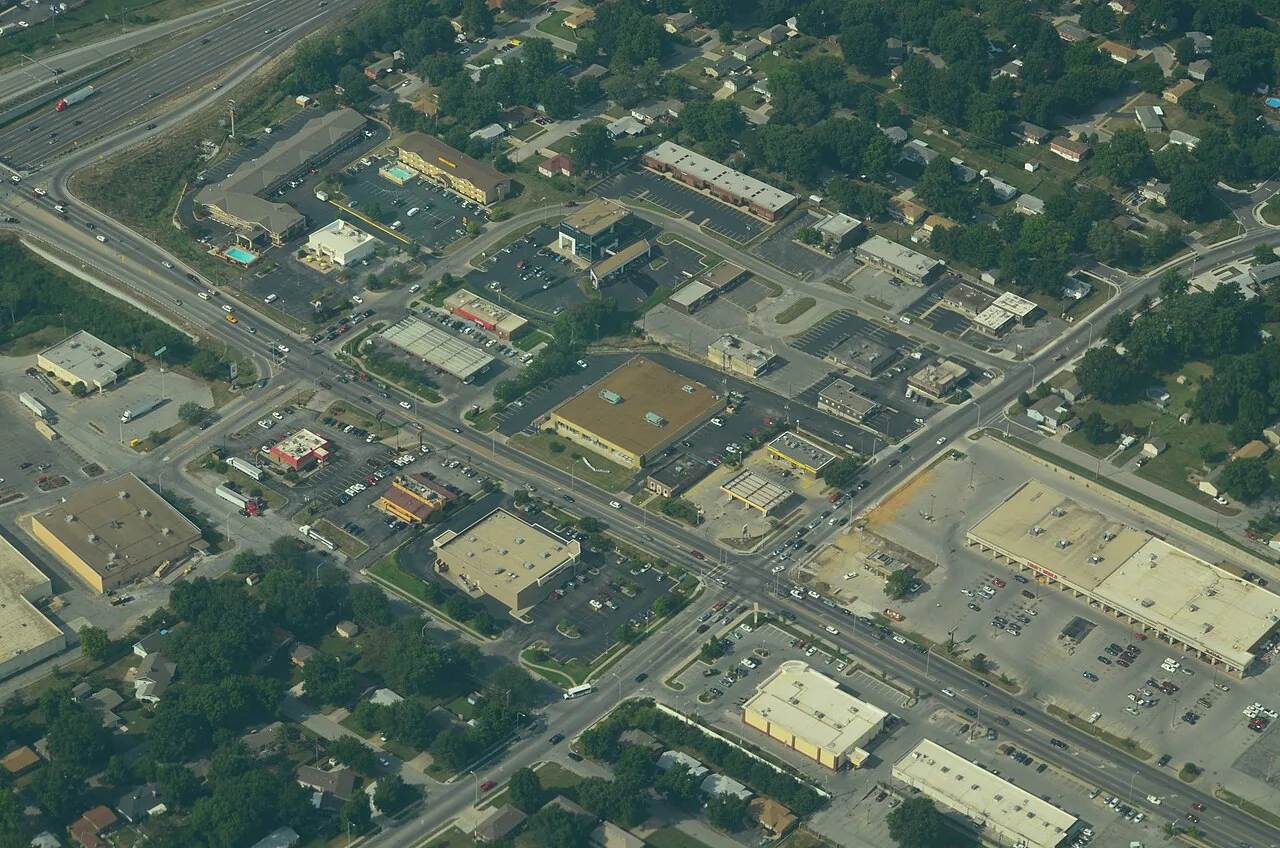
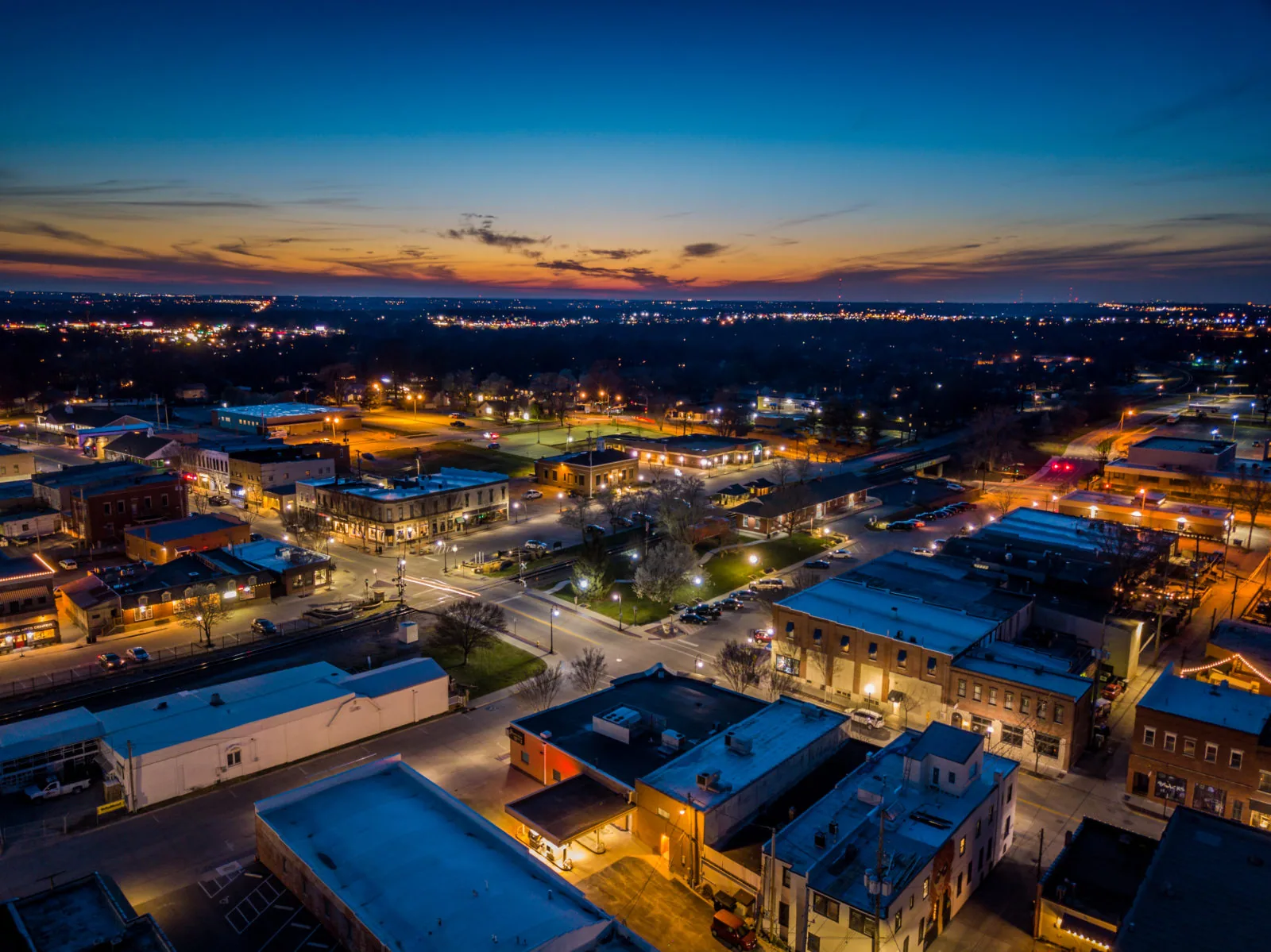
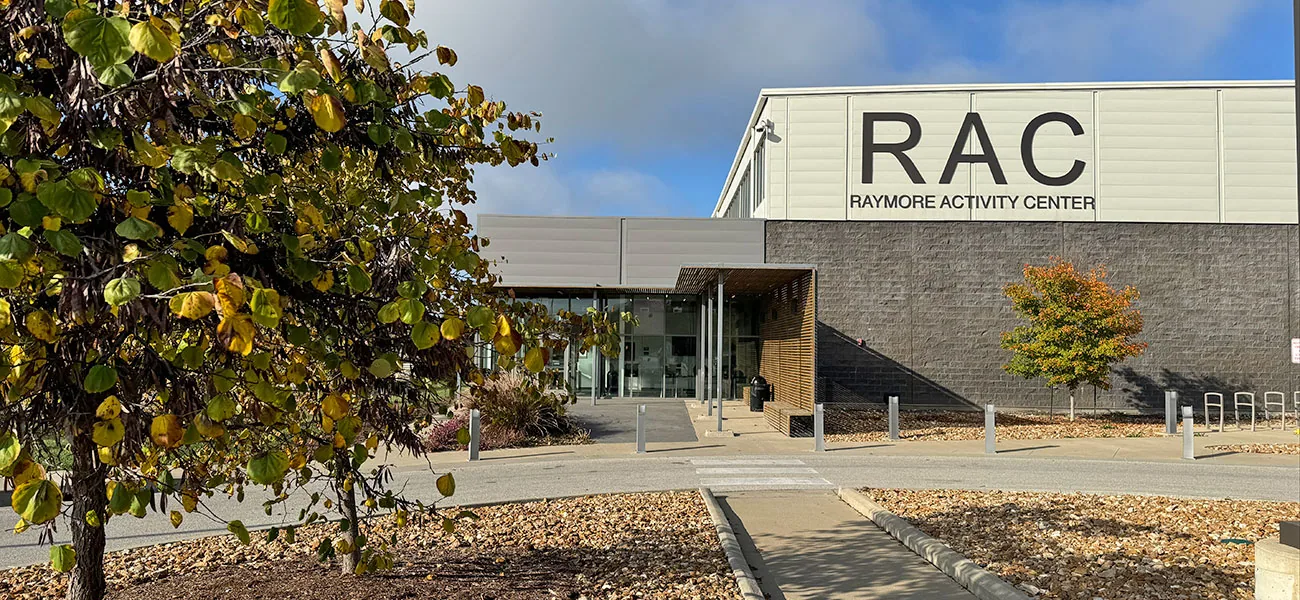
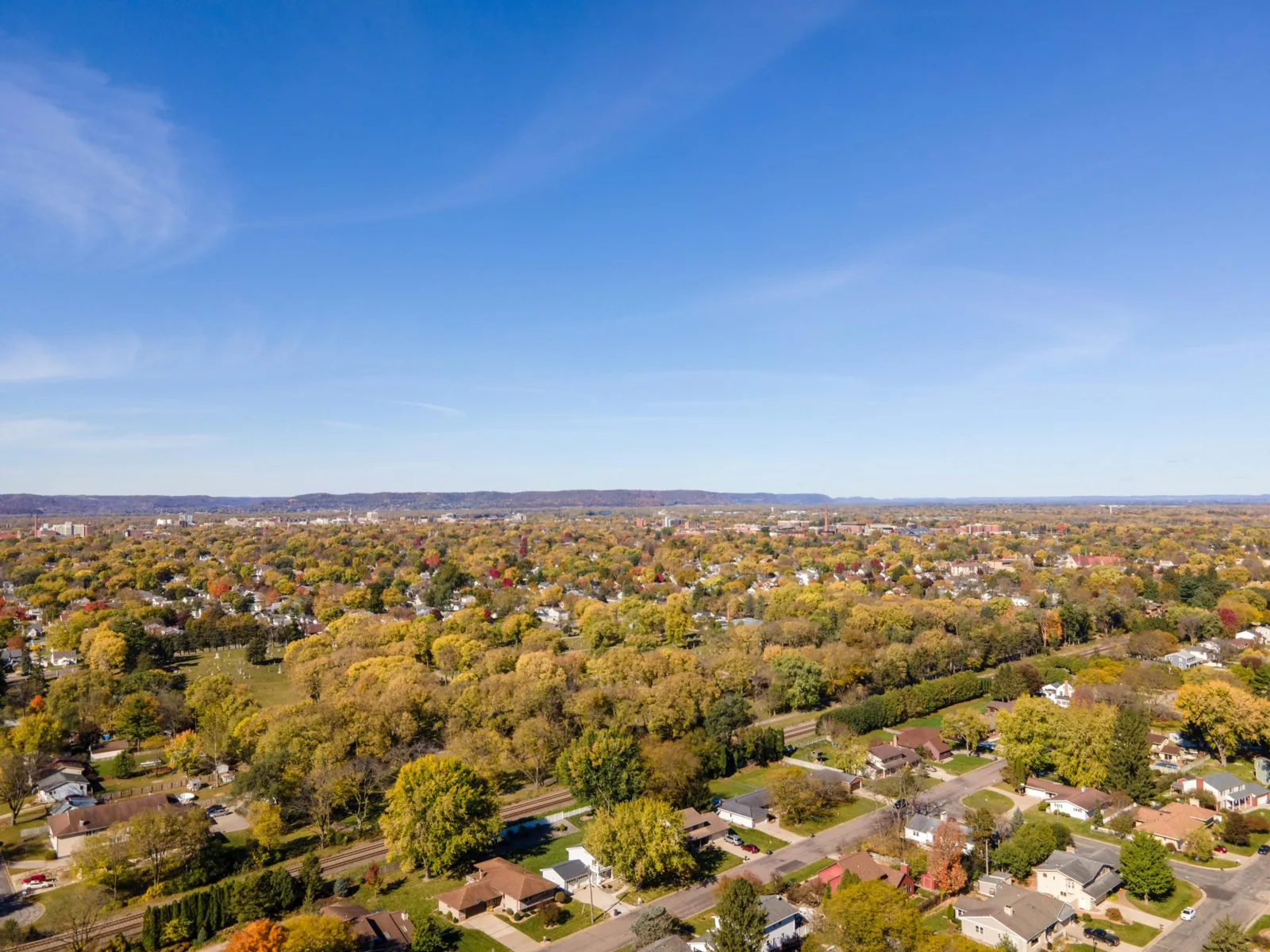
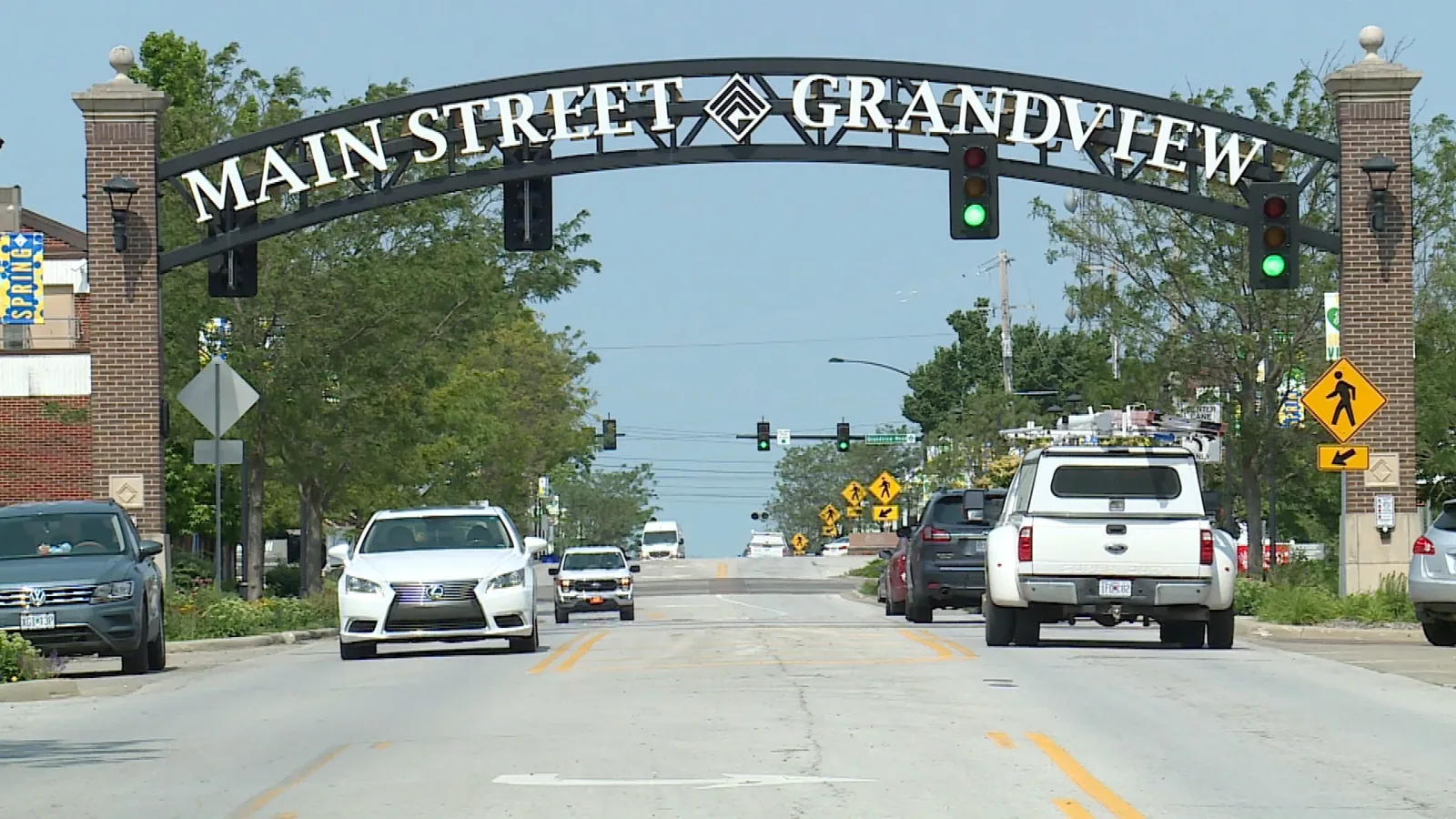
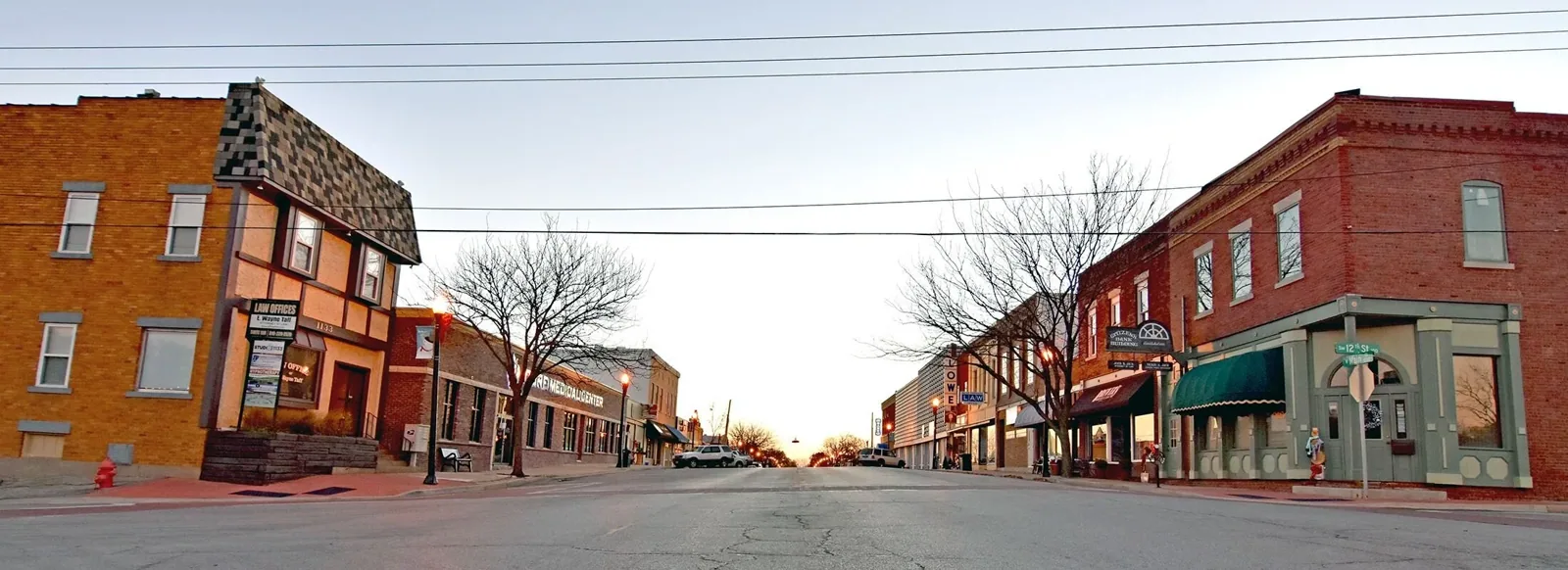
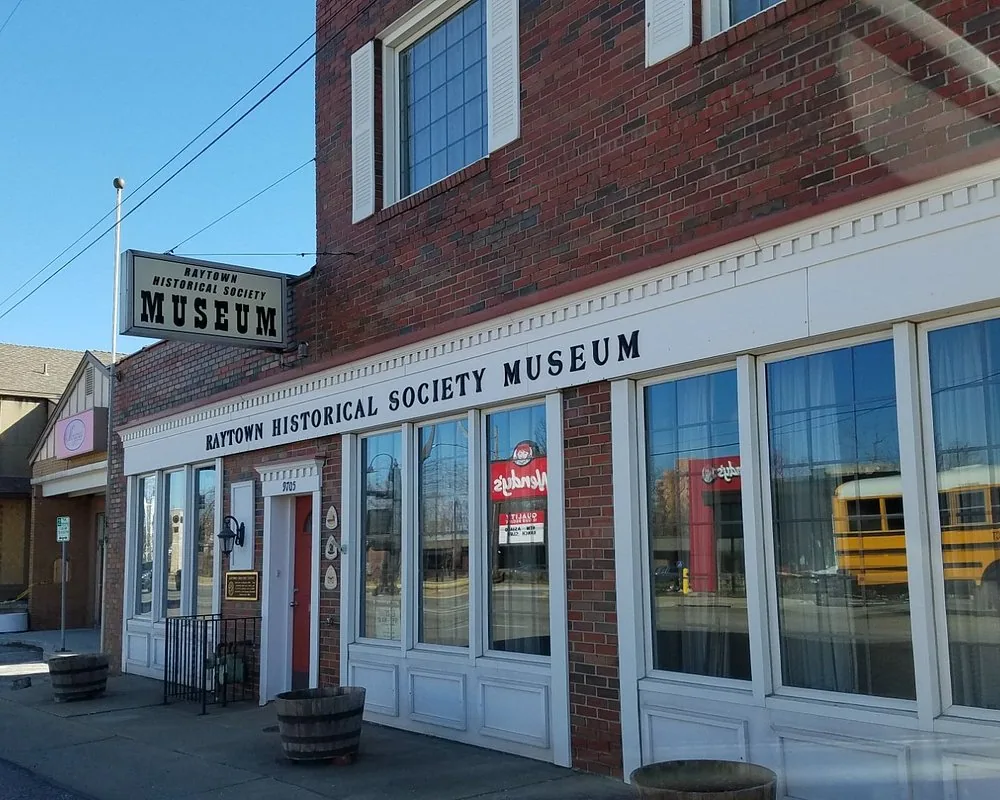
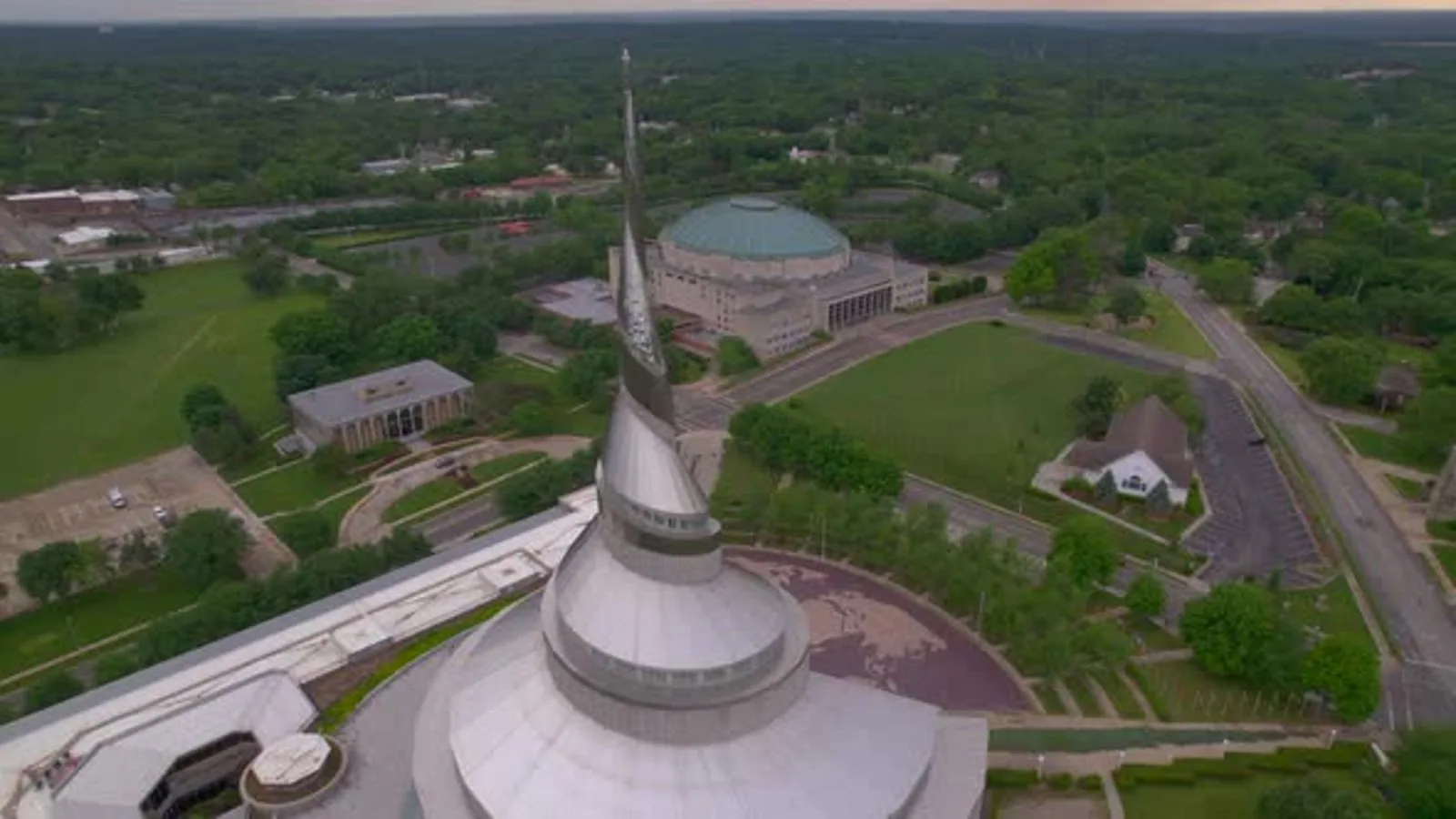

The home market is Lee's Summit and Downtown Lee's Summit, with its Historic District of Italianate and Moderne commercial buildings from 1850 to 1974. The service area reaches neighboring Jackson and Cass county towns such as Raymore, Belton, Grandview and Blue Springs, and across the metro to Independence, Kansas City and Johnson County, Kansas. The region also includes the Lake City Army Ammunition Plant in Independence, where roofing on a military installation follows base access and escort procedures, badging and the Unified Facilities Criteria for roofing.
The simplest start is a walk. Send the building address list, the tenant hours and any open leak reports. The roof area is walked with the property manager, and a written sequence plan is offered before any scope is priced. From there the manager decides whether to repair, restore or replace, with the tenant notice and the dry-in point already on paper.
Property managers, building owners, investors, school and healthcare facilities staff, logistics operators and general contractors who need a roof repaired, replaced or kept on a maintenance schedule. The occupied building is the usual setting, and the plan is written for the person who handles the tenants.
The roof is walked with the property manager and the access route, staging area, dock hours and dry-in point are fixed. Photographs, moisture readings and any test cuts follow, and a written sequence plan is offered before any scope is priced.
Tenants hear first: the notice before the crew arrives gives the roof area, the hours of work, which door the crew uses and what noise or dust to expect near a suite. The property manager approves it, and each phase boundary is marked on the roof drawing.
Claim documentation is part of the work. Dated photographs, labeled maps of damaged areas and a repair sequence that separates temporary from permanent work give an adjuster a file that can be read without a second roof visit.
Emergency calls are taken at any hour of any day. The first visit makes the opening weathertight, and the permanent scope is written once the roof is dry enough to walk.