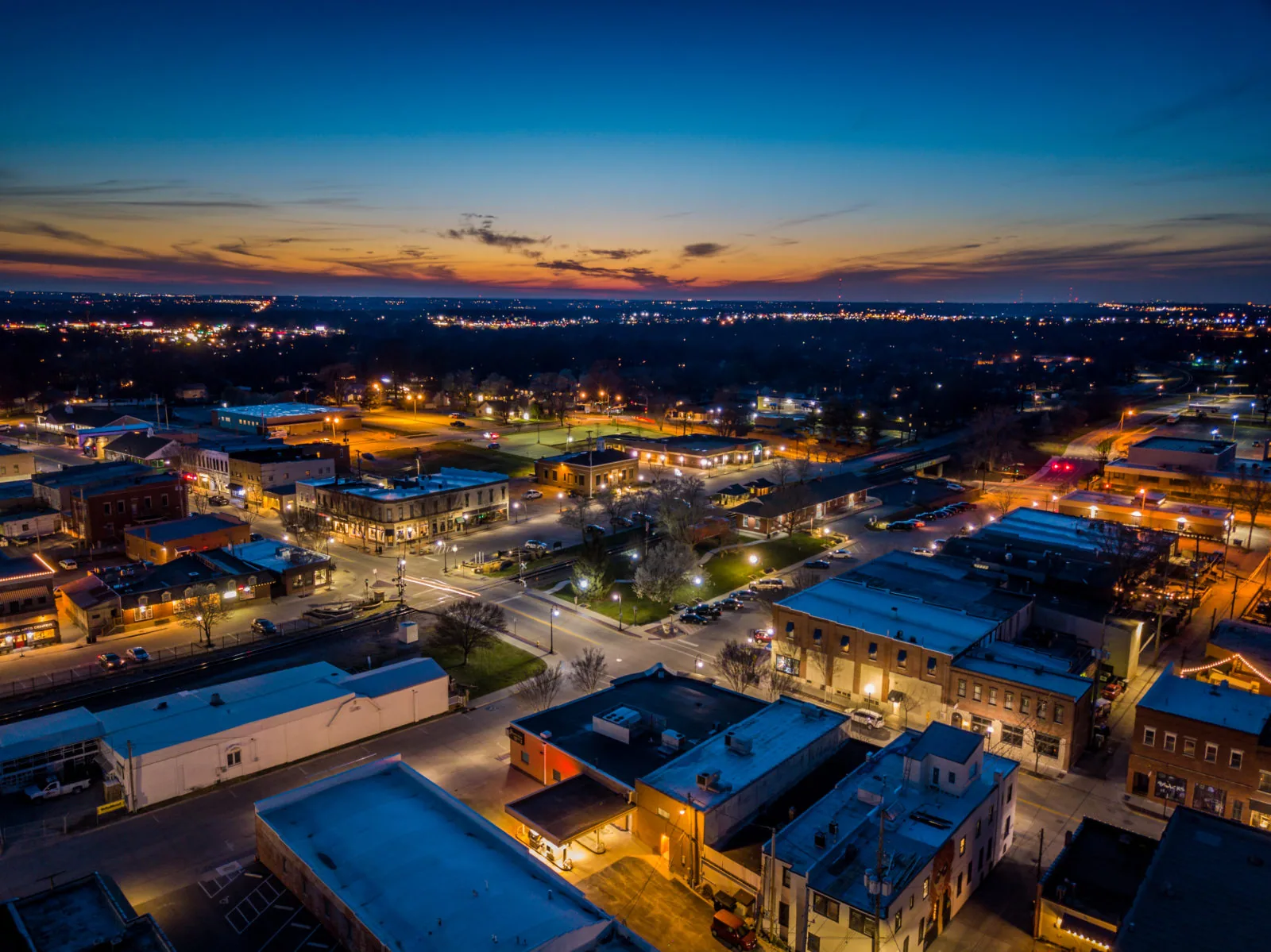
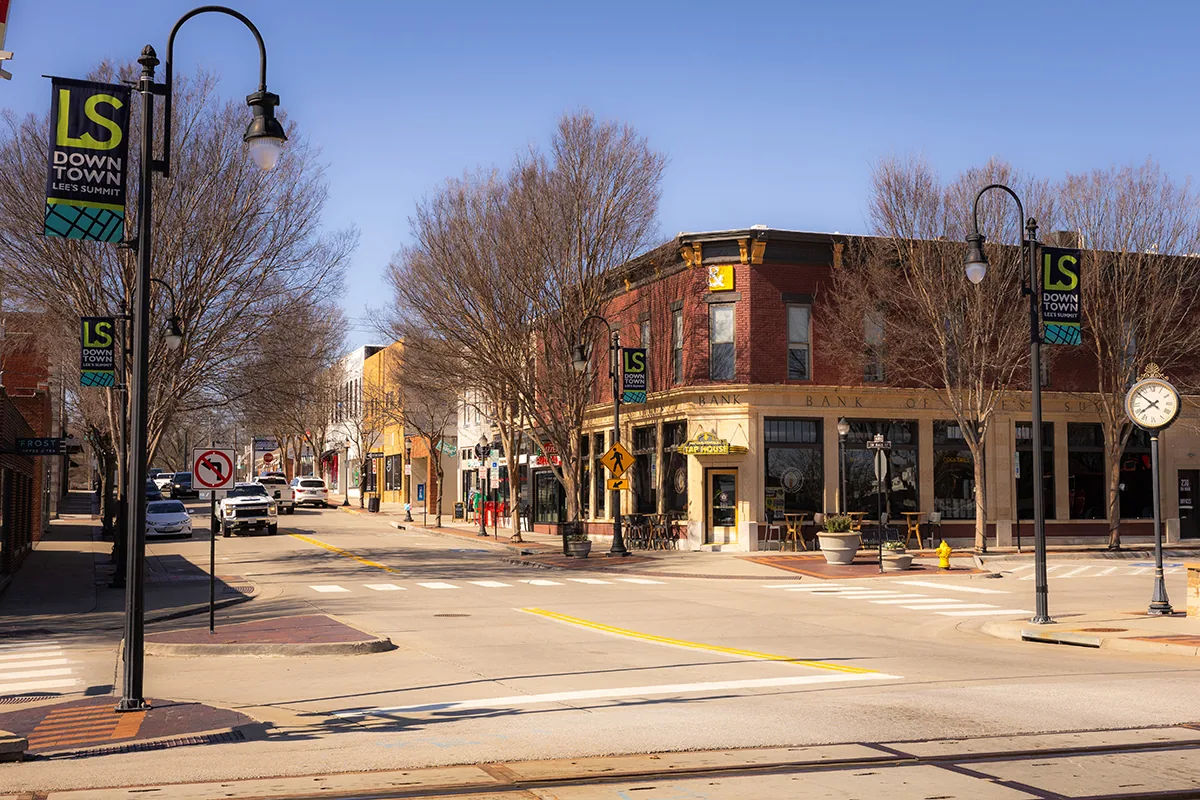
The membrane is chosen after the access route is known, because a roll of material has to reach the roof before it can protect anything. A property manager in Lee's Summit, MO thinks first about the hoist, the staging footprint and the dock hours, and the system follows from those limits and from the roof condition that decides the first move. Records in Lee's Summit run from 108F down to minus 25F, so whatever goes on the roof has to expand, contract and stay watertight across that whole range.
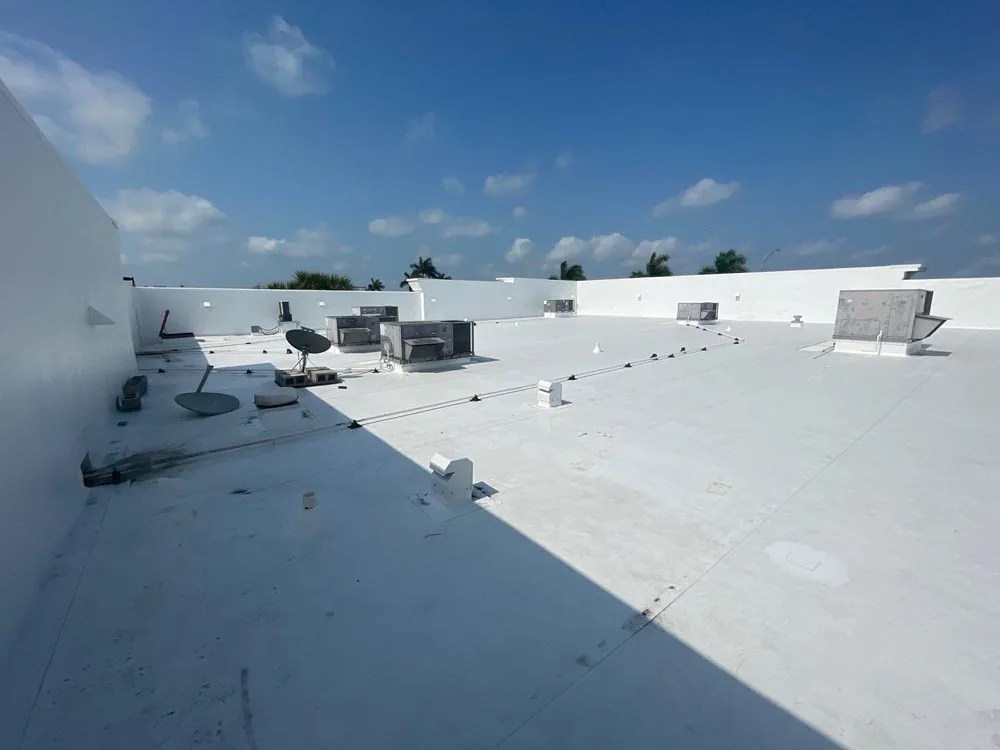
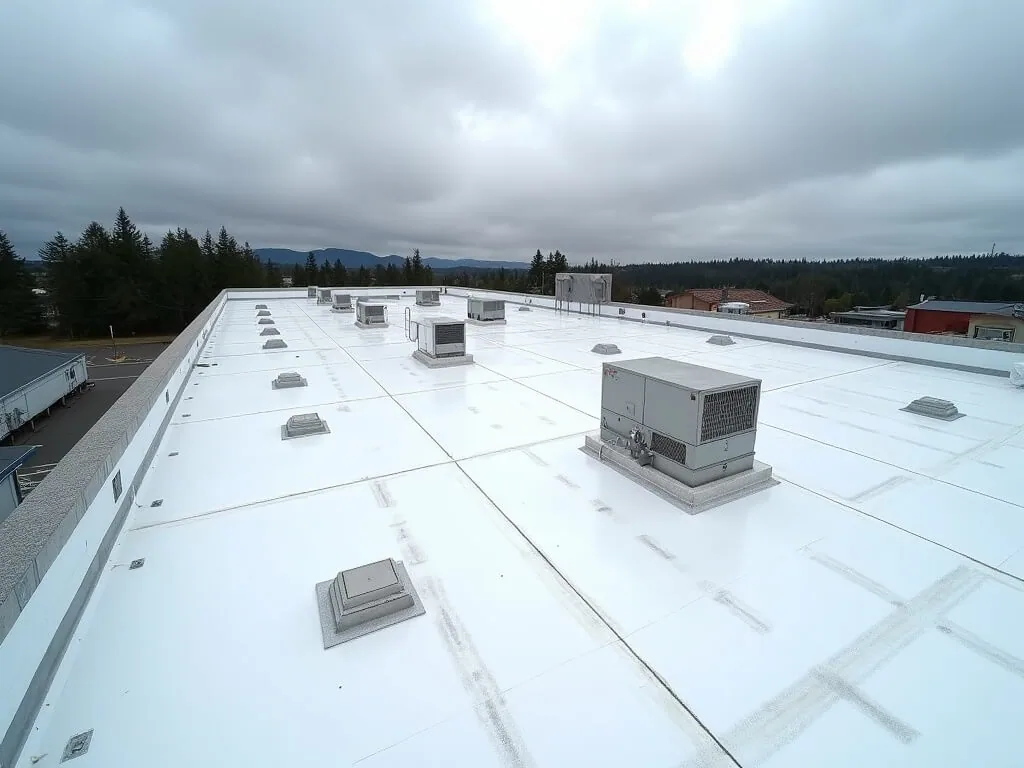
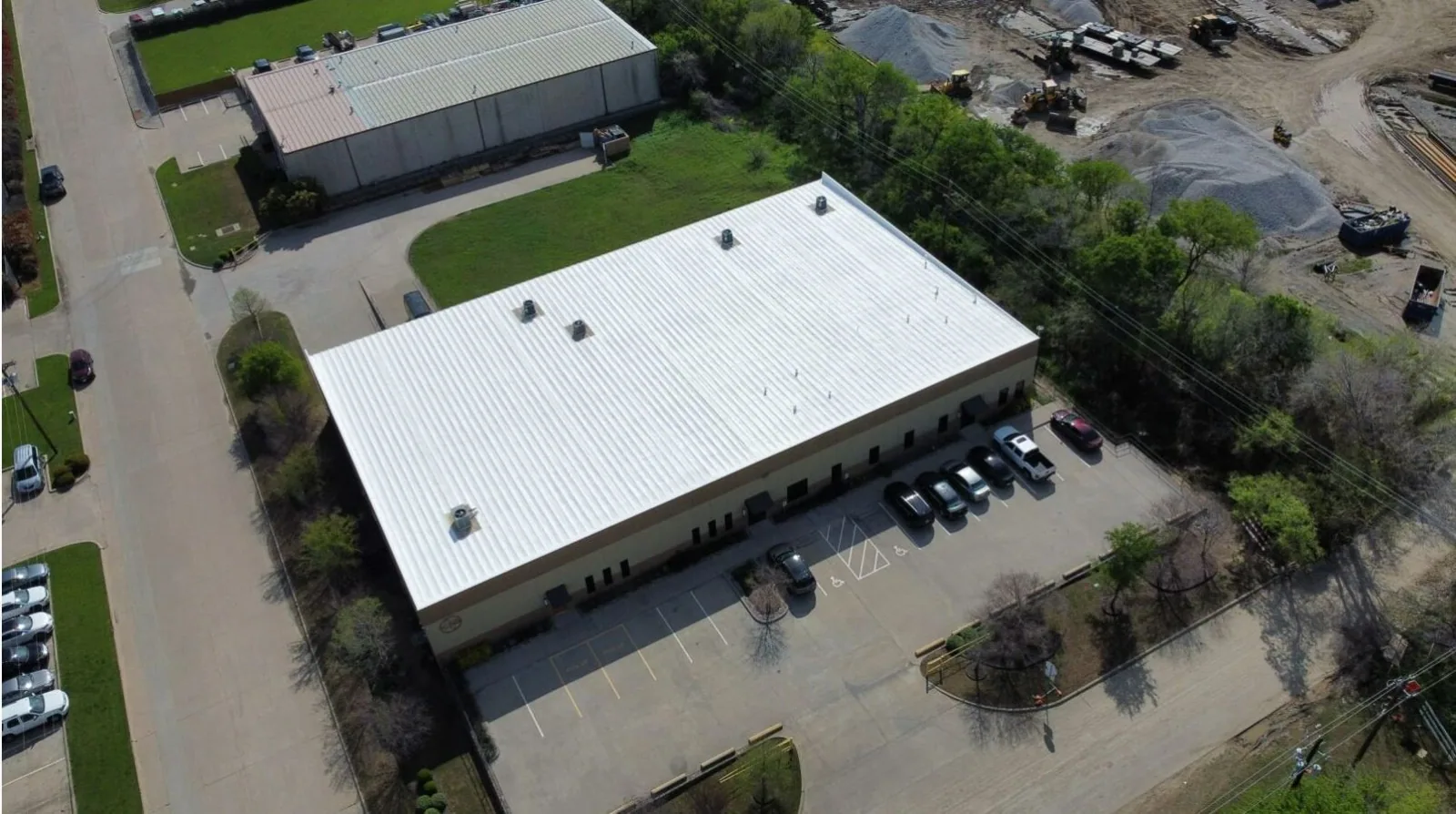
Single-ply sheets are rolled out and joined at the seams, which makes them quick to lay and easy to inspect. TPO roofing is the reflective option for large, plain roofs, and PVC roofing has welded seams and holds up where exhaust or chemicals reach the roof. EPDM roofing is the rubber sheet used when seams are few and the roof is simple, and KEE roofing resists oils and grease in harsher exposures. Seam condition is the first check on any of them.
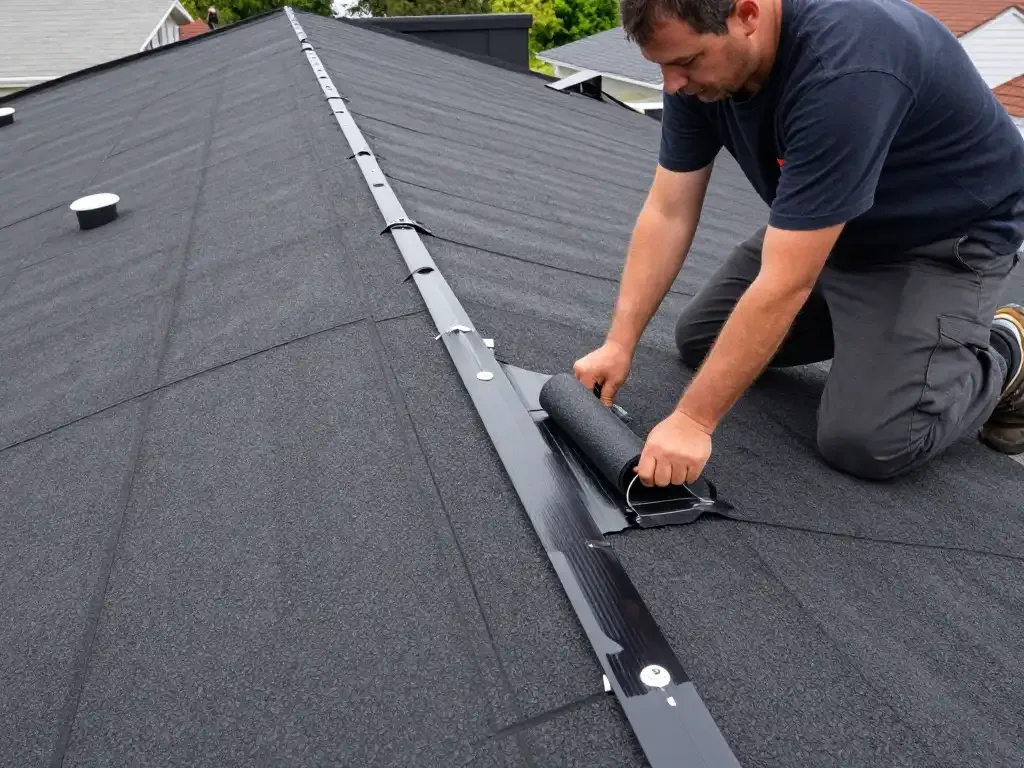
Layered asphalt systems are slower to install and heavier on the deck, but they reward foot traffic and tolerate heavy rooftop equipment. Modified bitumen roofing is torch-applied or cold-applied in sheets, and built-up roofing stacks plies and a surface layer. Hail marks on the surface are the first thing to record, since the city was warned of penny-size hail on April 27, 2024.
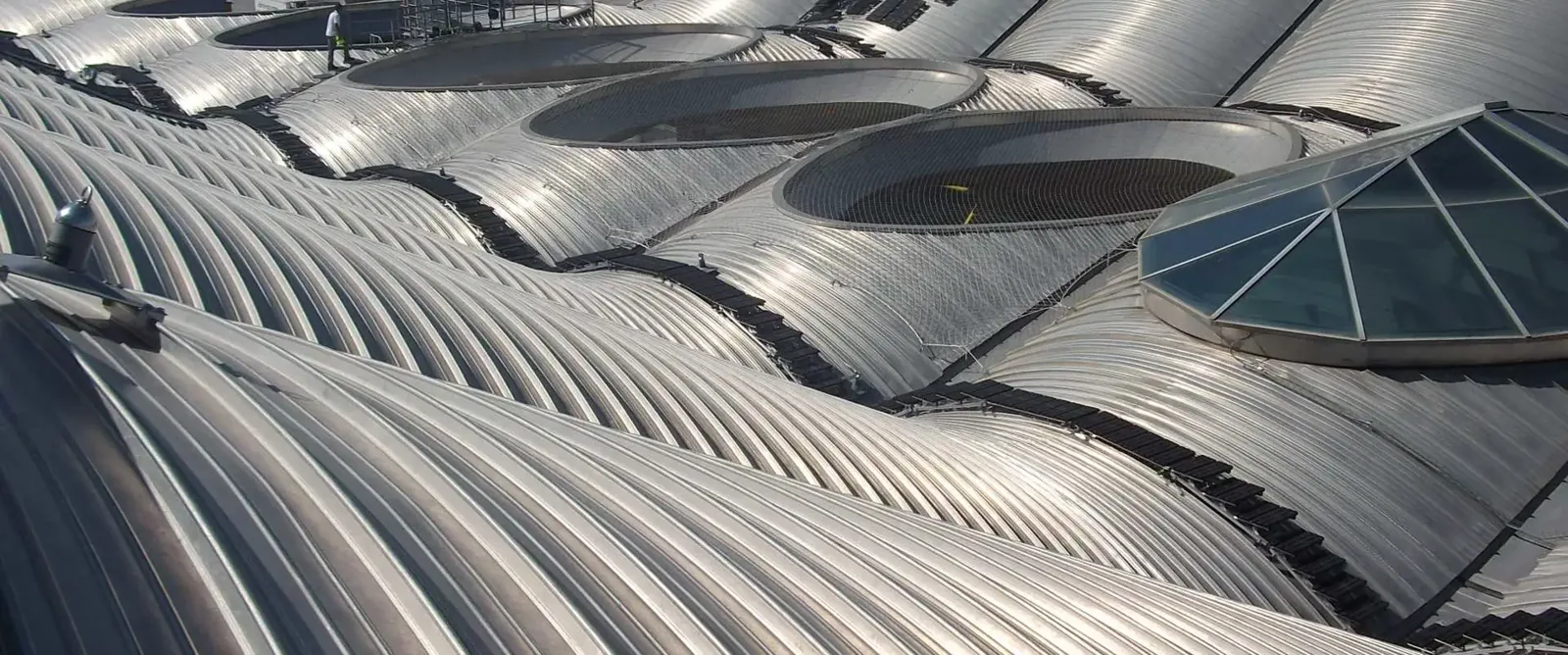
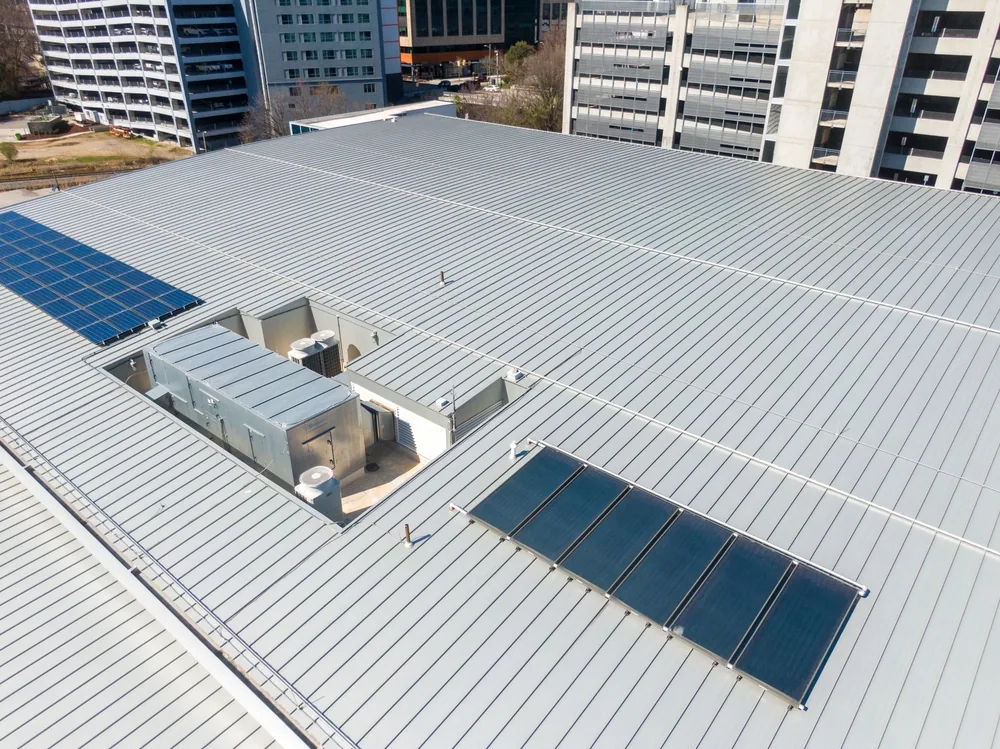
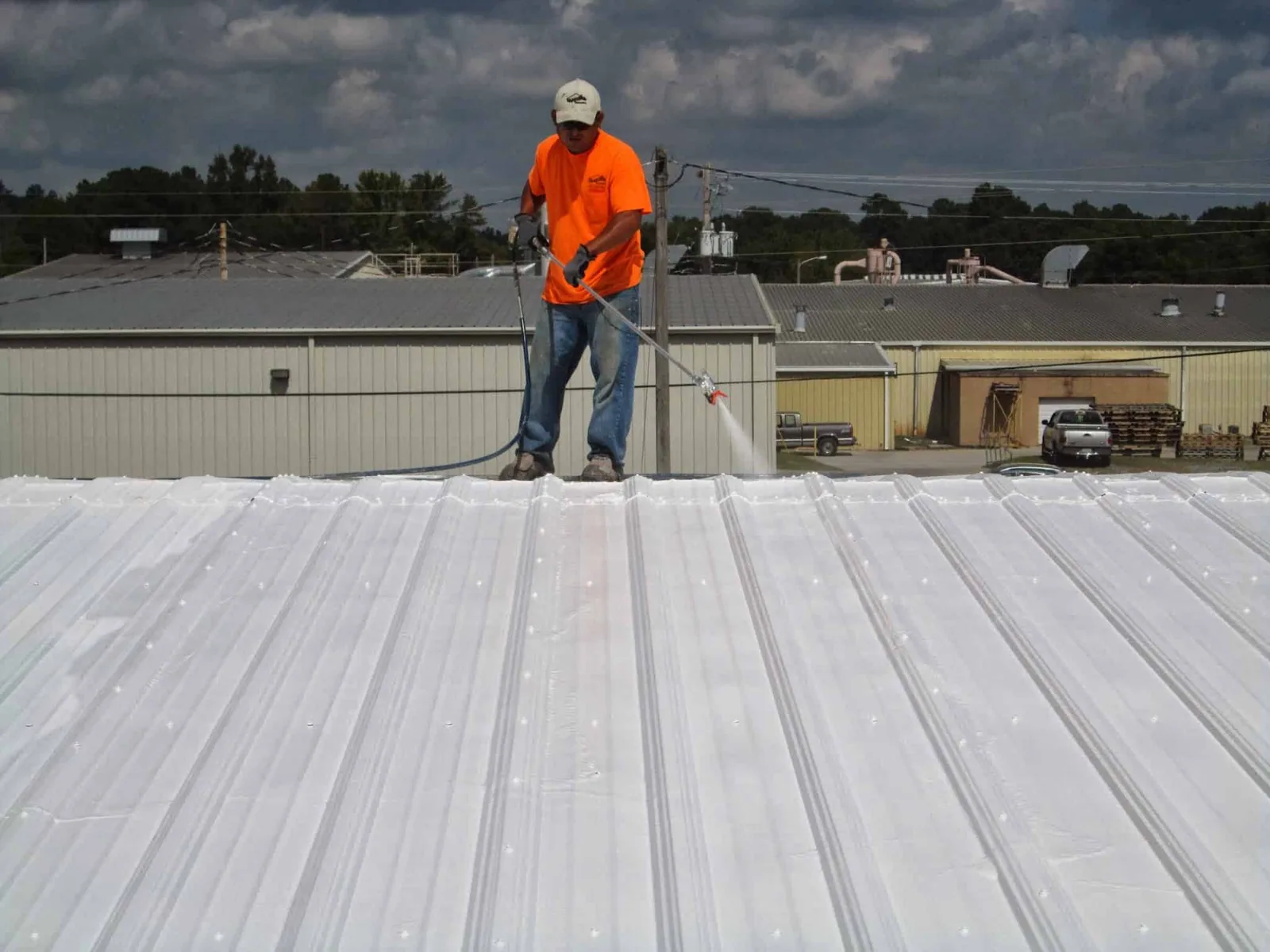
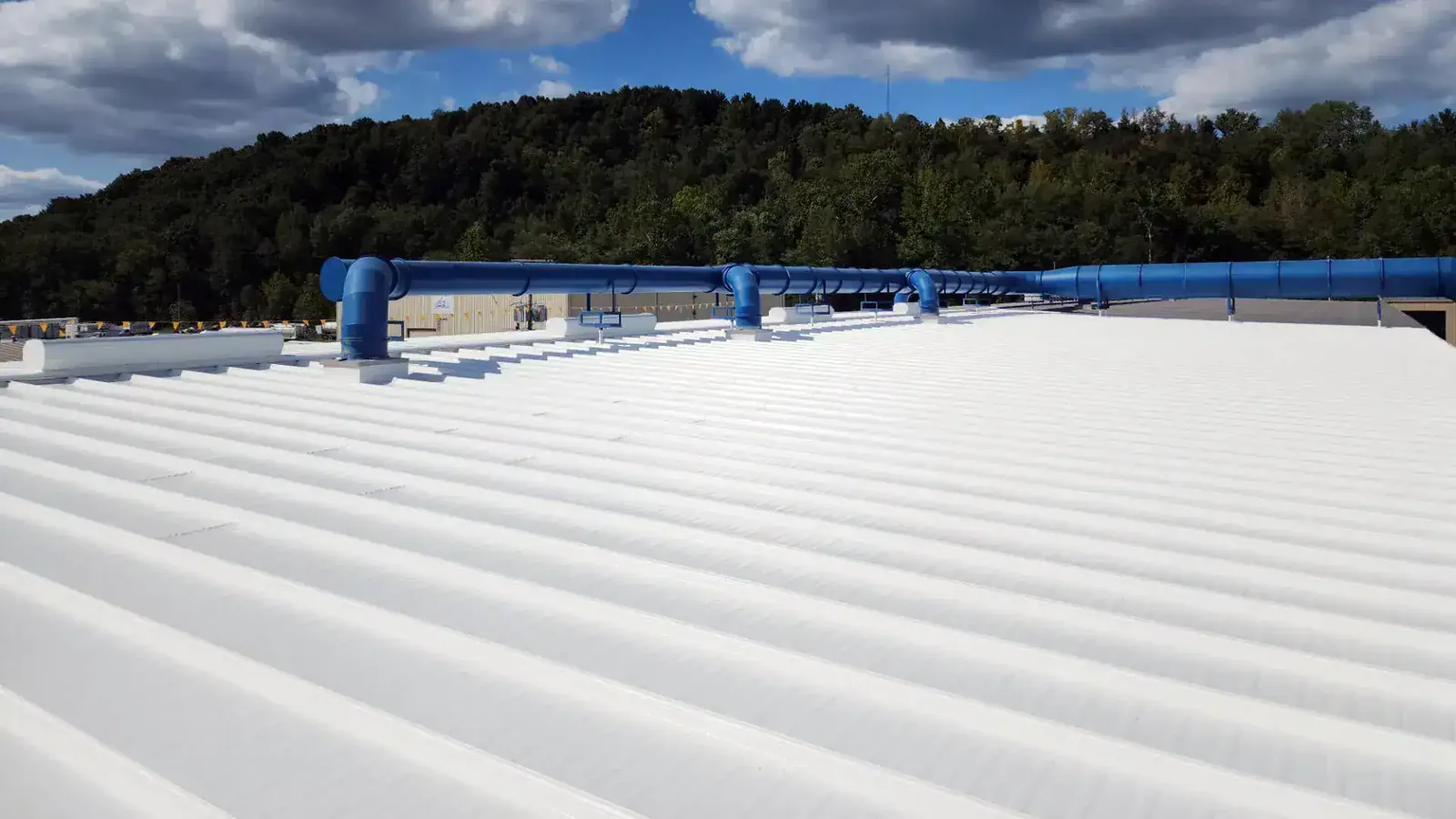
Metal roofs, sprayed foam and liquid coatings answer different problems. Standing seam metal roofing and a metal roof retrofit sit over an existing deck and carry long panel runs, while spray polyurethane foam roofing adds insulation and a continuous surface. Silicone and acrylic roof coatings restore a sound roof without removing it, which keeps tenants out of a tear-off.
Core samples, moisture readings and the building's use decide the system. In Lee's Summit, a roof above a food-service tenant, a roof over a cold room and a roof above a dry warehouse call for different choices. Lee's Summit gets about 4.5 inches of snow a year and 38 inches of precipitation, so drain performance and ponding are checked beside the membrane, and the written sequence plan states which system is proposed and why before a scope is priced.
Test cores and a moisture survey decide it. If the insulation is dry and the deck sound, a restoration or recover is on the table, and if the cores are wet the plan moves toward replacement of the wet area.
Rarely. The building's use, rooftop equipment and drainage differ, so the plan lists the proposed system for each roof with the reason beside it.
Single-ply roofs are simple to patch when the seam is clean and dry, while bituminous roofs take a patch tied into the plies. The deciding factor is the surface condition around the damage.
Sometimes, if the old roof is dry and the deck can carry the added weight. The cores confirm both before a recover is proposed, and the code edition at the permit date is noted in the plan.