A roof decision reaches the property manager through different desks: a landlord's asset team, a school district's facilities office, a general contractor's schedule. The roof is the same kind of problem on each, but the approvals, the notice to occupants and the paperwork differ. In Lee's Summit, MO, health care, retail, professional services, education and manufacturing are the city's top industries, and each has its own way of releasing a roof for work. The sequence plan is written to fit that route.
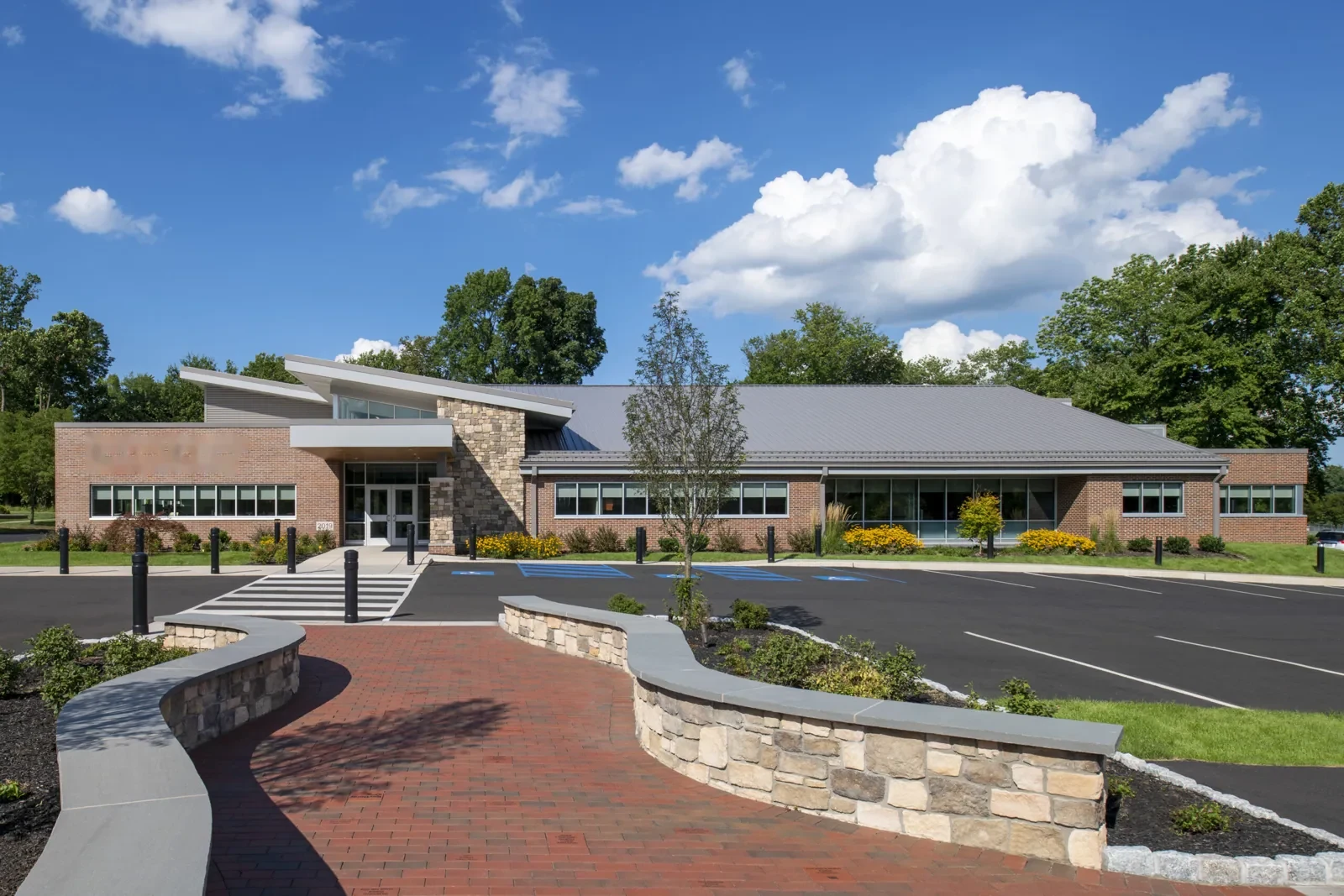
Landlords and managers carry the tenant notice and the lease terms. Property management companies need a calendar that covers several buildings, and real estate investors and REITs need a record that compares roofs across a portfolio. Along I-470, US 50 and MO 291 the same owner may hold an office, a retail strip and a flex building, and each gets its own phase boundary. Lease language decides who approves the work, so the first walk lists which tenant must sign off on a roof area and which contact can authorize an emergency visit after hours.
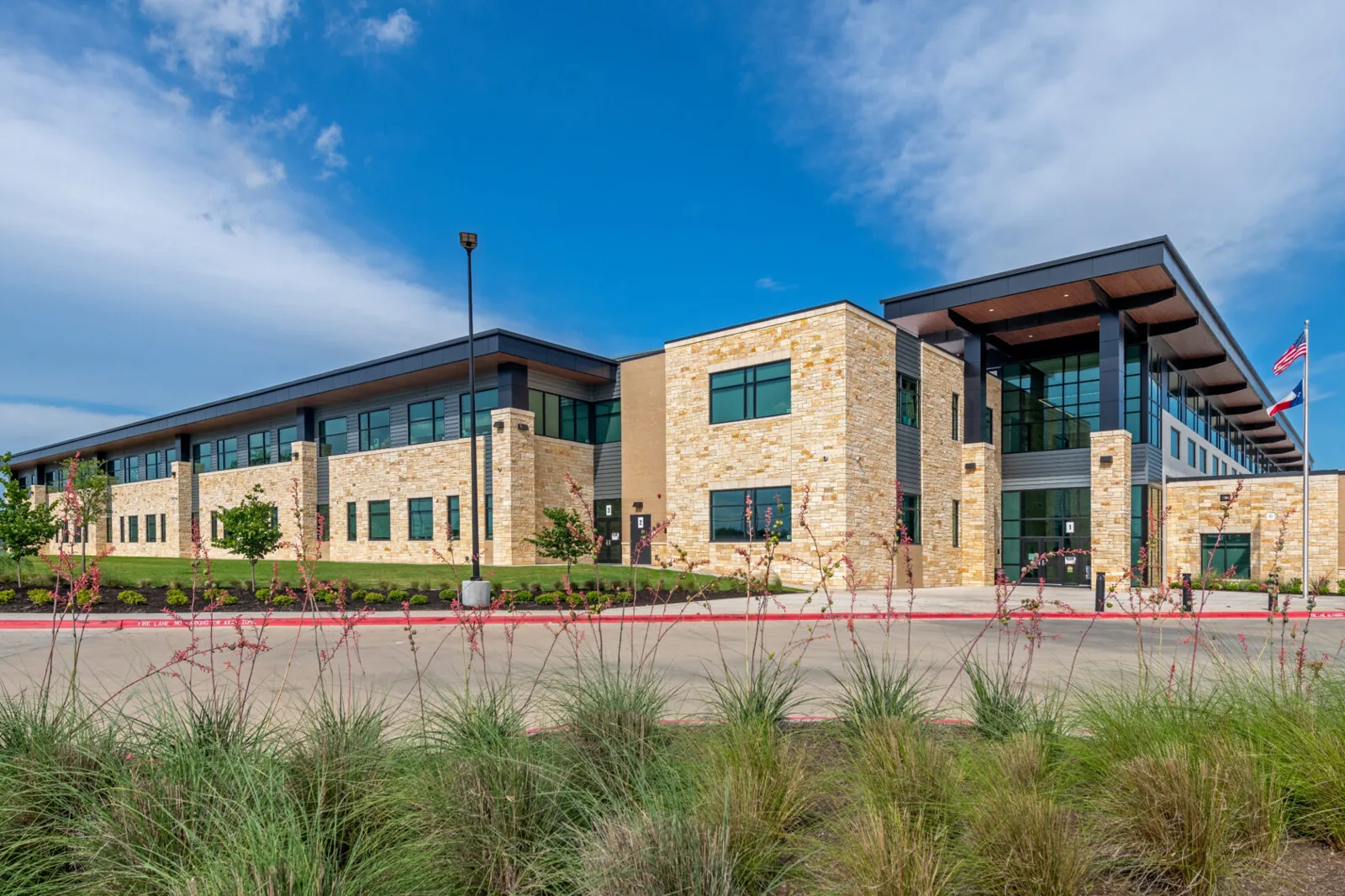
Institutions work to fixed calendars and procurement rules. School districts schedule around the academic year, healthcare systems protect patient areas and air intakes, and public agencies work from approved scopes. The R-VII School District and University Health Lakewood Medical Center are among the largest employers in Lee's Summit.
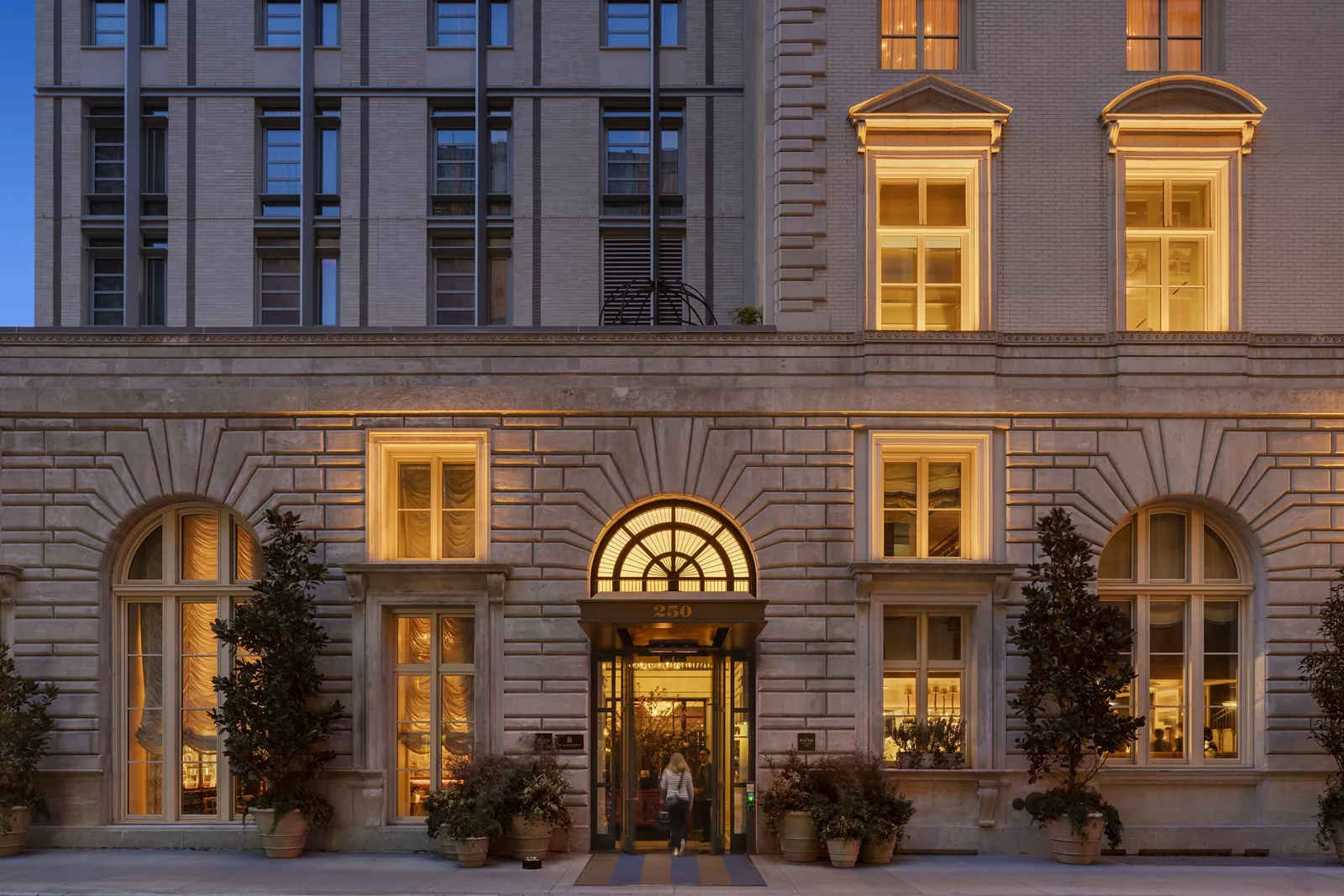
Operators lose money when a door is blocked. Logistics and 3PL operators and manufacturers keep docks and production lines moving, retail and restaurant chains keep entrances open, and hospitality groups protect guest rooms. For each, the plan states the dock and entry hours and the hoist footprint before any scope is priced.
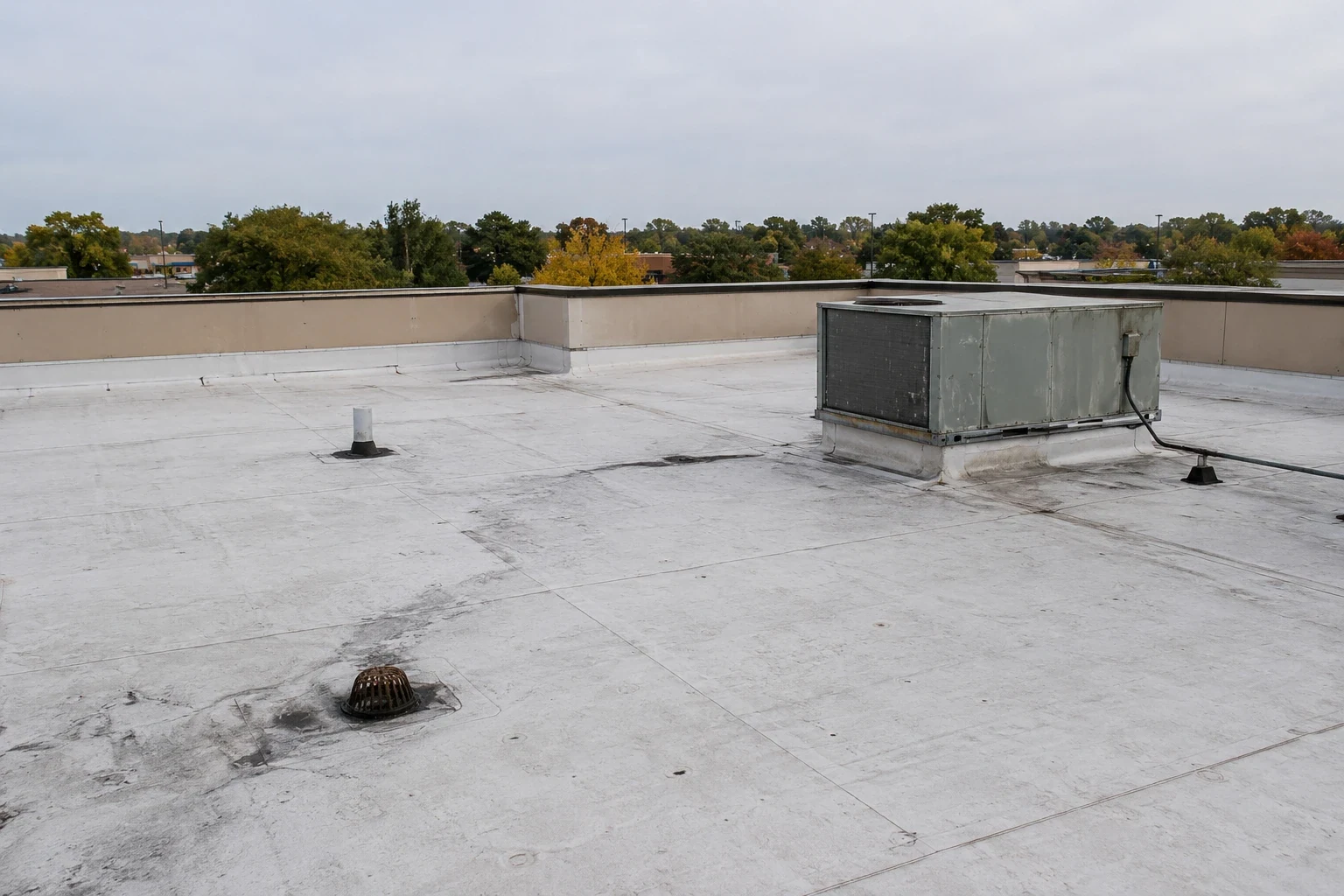
General contractors need a roofing trade that follows their schedule and turns over a clean punch list. Insurance restoration work depends on dated photographs and a repair sequence that an adjuster can read. The walk-off sequence is recorded roof area by roof area, so a claim file shows exactly what was opened and what was closed, especially after a spring storm line such as the one in the April 27, 2024 warning.
The paperwork changes, not the roof work. Approved scopes, bid documents and reporting formats are followed, and the sequence plan fits the agency's own review steps.
A single calendar lists each building, its tenant hours and its release date. Storm response is ranked ahead of time so the most exposed roof is visited first.
A dated photo record, a labeled map of damaged areas and a repair sequence that separates temporary work from permanent work.
The turnover package logs the opened and closed areas and sets the checks owed at the next walk. The manager or facilities contact signs for the area.