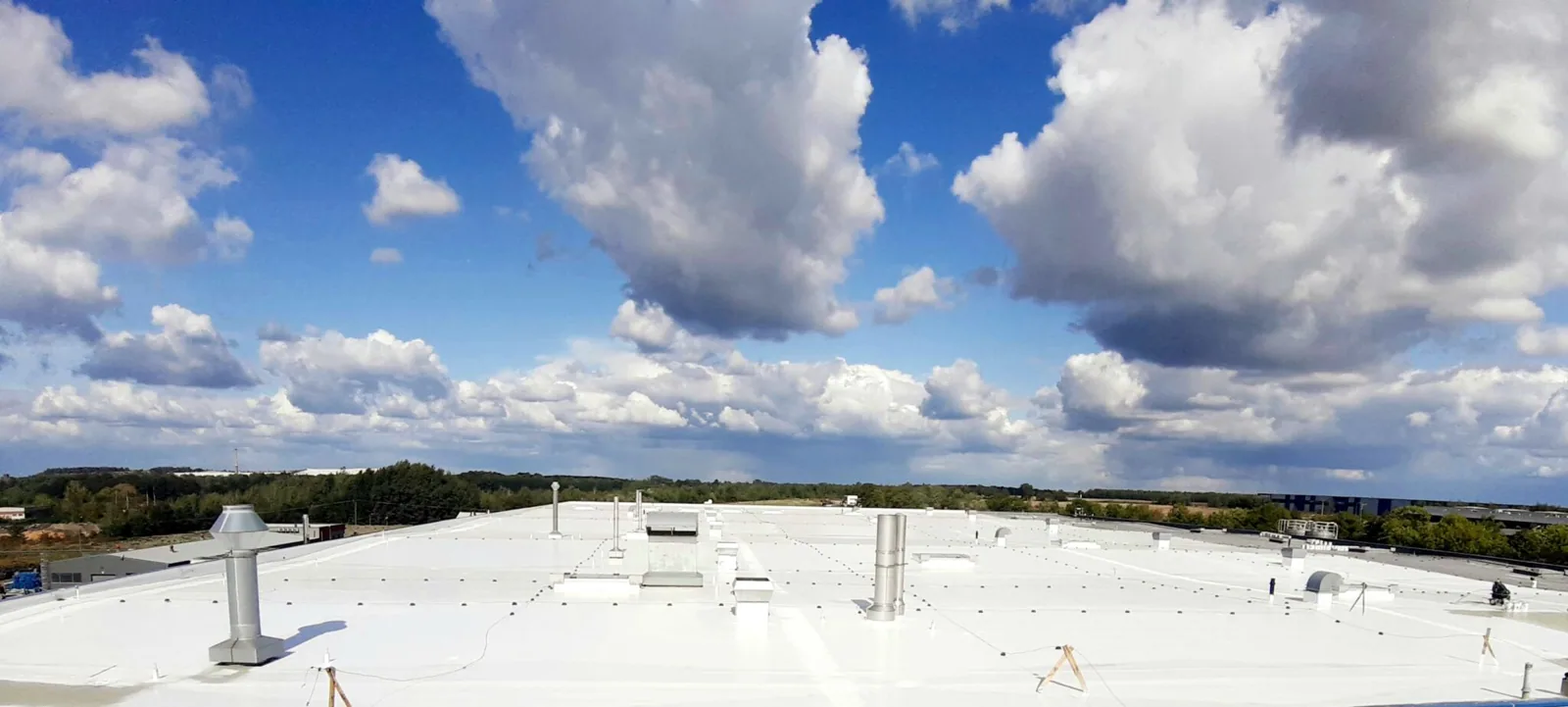

Heat damage is the one roof problem that gives the manager months of warning, if anyone is looking. The signs are a chalky film on the surface, a sheet that has pulled back from a wall, sealant that crumbles under a thumbnail and rooftop unit curbs where the flashing has lost its grip. In Lee's Summit, MO, the July mean high is about 88 degrees and the record high is 108, and a dark roof surface runs much hotter than the air above it. The roof condition that decides the first move is how much flexibility the sheet has left, so the first visit is a test and a photograph, planned around tenant notice and the access route.
Ultraviolet light breaks down the surface of most membranes. Thermoplastic sheets chalk and lose plasticizer, rubber sheets craze into a network of fine cracks, and modified bitumen and built-up roofs lose granules or gravel and expose the asphalt beneath. The sheet shrinks as it ages, hardens and gets less able to follow the movement of the building.
Heat cycling adds stress at details. A roof that swings from a record low of -25 degrees to a record high of 108 across the years works its laps, flashings and fasteners hard, and the sun-facing slope sees the most movement. Dark surfaces, rooftop exhaust and reflected glare from nearby glass raise the temperature further around units and parapets.
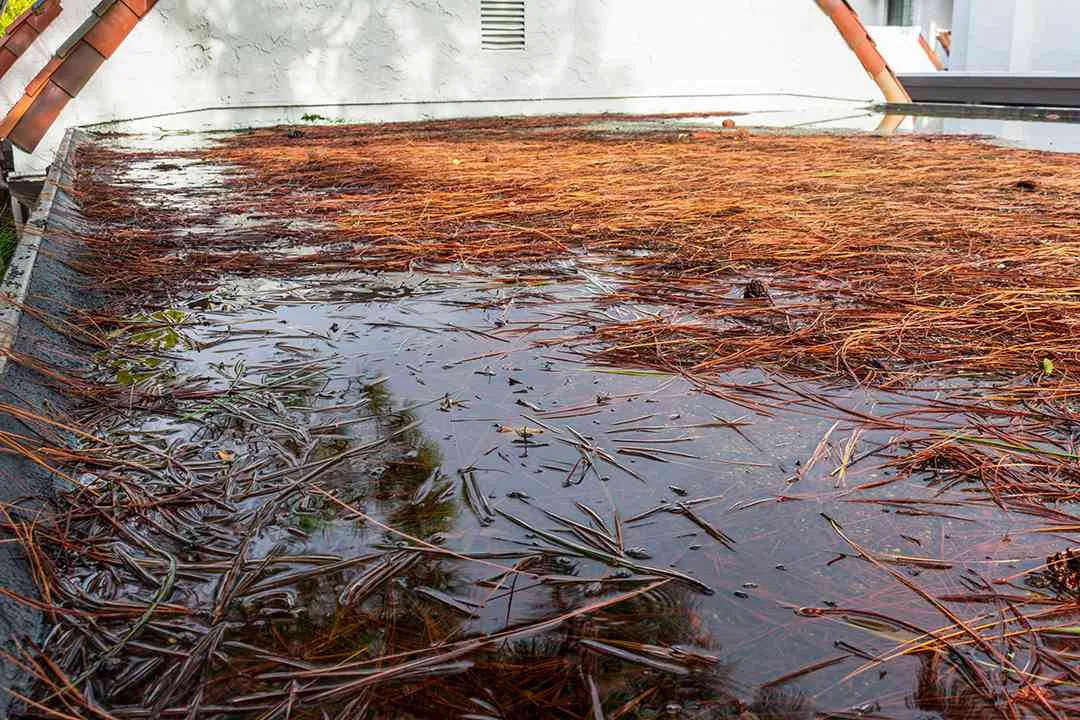
Standing water makes heat damage worse, because a pond bakes in sun and softens the sheet beneath it. Where the walk finds chalking along a low area, the cause is often ponding as much as sun, and the drain survey belongs in the same report. Rooftop units that discharge warm air onto the sheet leave their own marks, in discolored rings and an earlier loss of flexibility around the exhaust.
The site walk starts on the slopes that face south and west, then compares them with shaded areas. A sheet that is flexible in shade and stiff in sun tells us how far UV has gone, and press tests, scraping for surface texture and a look at color and gloss complete the picture. We test stiffness in the cool of the morning and again at midday, because the difference shows how much movement the sheet endures each day.
Shrinkage is measured at walls, curbs and pipe boots. A sheet that has contracted pulls on its flashings and leaves gaps at the base, and tape measurements at several points show whether the pull-back is minor or serious. Photographs with a scale go into the report so the next walk can compare the same spots.
Tenant notice for this work is light. The visit needs roof access for a few hours, and occupants are told the day and the hatch or ladder the crew will use. The staging footprint for any later coating job is chosen at this walk, away from dock and entry doors, and the access route is recorded for the manager.
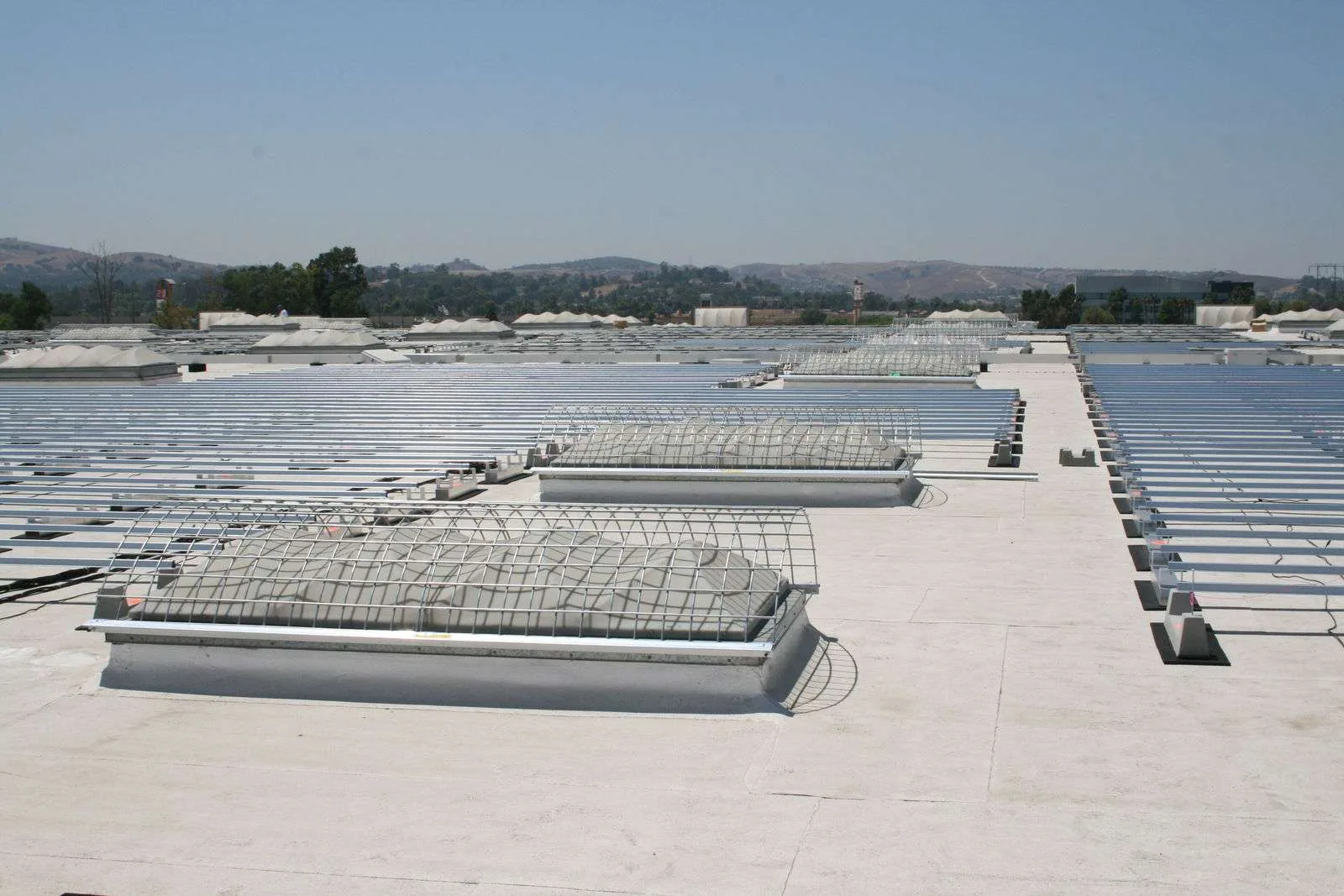
Small components fail first. Rubber pipe boots crack in sun, sealant beads at terminations harden and split, and plastic skylight domes yellow and craze. Each is inexpensive and each opens a path for water. We replace boots, reseal terminations and swap brittle domes, and we look at the nearby seams because they move together. Skylight and penetration flashing repairs rebuild those details with materials that tolerate movement.
Edge metal takes heat as well. Dark coping expands and contracts, loosening fasteners over seasons, and sealant at the joints dries and opens. A heat review adds the perimeter to the walk and notes gaps before the first freeze fills them with ice.
Fasteners and plates on mechanically attached systems deserve a check for backing out, since heat expansion works them loose. A plate that stands proud of the sheet is a puncture waiting to happen, and tightening it is a minute's work during a visit.
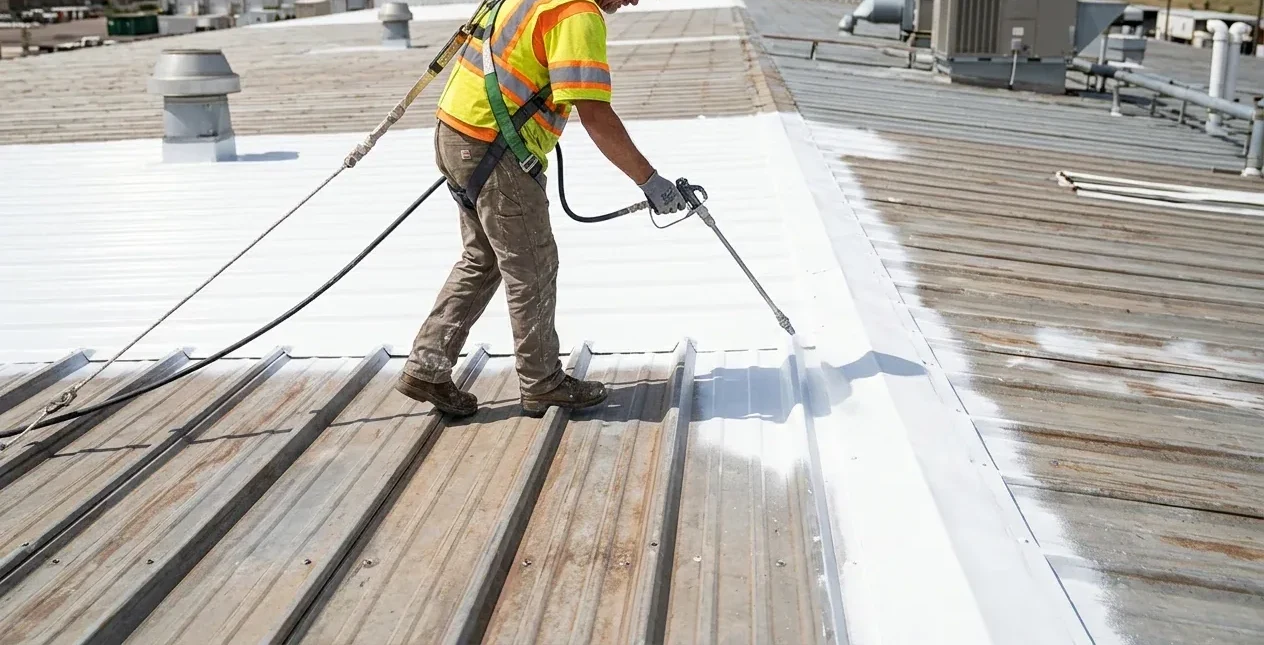
If the damage is local, a patch and a flashing rebuild restore the roof. If the sheet is aged but sound, with dry insulation and flexible seams, a coating can slow further wear. Our roof coating restoration cleans the surface, repairs seams and details, and applies a reflective layer that cuts the heat load and shields the sheet from UV.
A moisture survey and a core cut come before the coating decision. A coating over wet insulation hides the problem, and a coating on a brittle sheet cracks with it. When either is found, a recover or replacement goes into the plan instead. The report states which case applies and why, so the manager can take the choice to the owner.
Coating price rests on the area, the condition of the surface, the number of details to repair first and the access the building allows. Surface cleaning, seam repair and primer take more time than the coating itself, and the proposal lists those preparation steps so the price matches the work. A roof that needs heavy preparation may cost more to coat than a lightly weathered one, and the report says so.
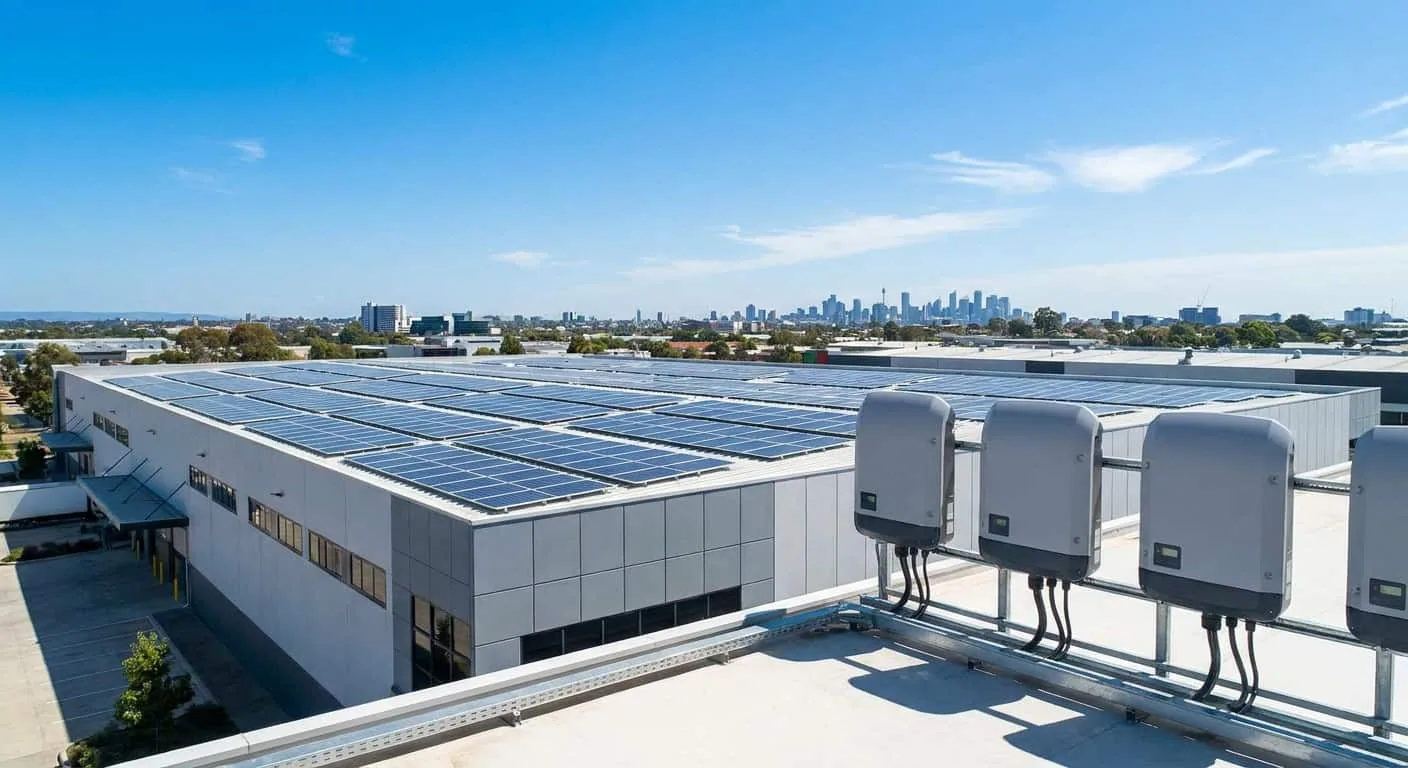
A lighter surface reflects more sunlight and lowers the heat a roof passes into the building in summer. A cool roof installation is one way to get that, and a white coating is another. In a climate with a 39 degree January high, the winter side deserves a thought too, since a reflective roof gives up some solar gain in cold months. The owner weighs summer cooling against winter heating, and the insulation level matters more than the color.
Work windows follow the weather. Coatings and adhesives need dry surfaces and temperatures inside the manufacturer's range, so heat repairs are scheduled for mild dry days, and the crew does not open a section when rain is forecast inside the cure time. Each section has a dry-in point, and the crew closes what it opens each day.
The turnover package lists boots and sealants replaced, seams repaired, any coating applied and its thickness, and a punch list for items held for weather. A late-summer recheck finds what the season did while there is still time to repair before the first freeze. Owners of buildings along US 50 and I-470 in Lee's Summit and in Grandview can use the same checklist, and seams opened by heat are repaired as described in seam failure repair.
A chalky film, fine cracks, a dull stiff surface and shrinkage at walls and curbs. It shows first on the south and west slopes.
If the sheet is flexible and the insulation is dry, a coating can extend its life. A brittle sheet or wet insulation calls for a recover or replacement instead.
It reduces the heat the roof passes into the building in summer. The benefit varies with insulation, building use and equipment, and winter heating should be weighed too.
Shrinkage leaves gaps and tension at walls and boots and does not recover at night. Measurements at several points show the amount and the trend.
Late summer, after the longest exposure. Repairs can then be done on dry days before the first freeze.
Send the building address list, tenant hours and notes on which sides of each roof face the sun. We will walk the roof with the property manager and provide a written sequence plan before any scope is priced.
Request a Roof Assessment