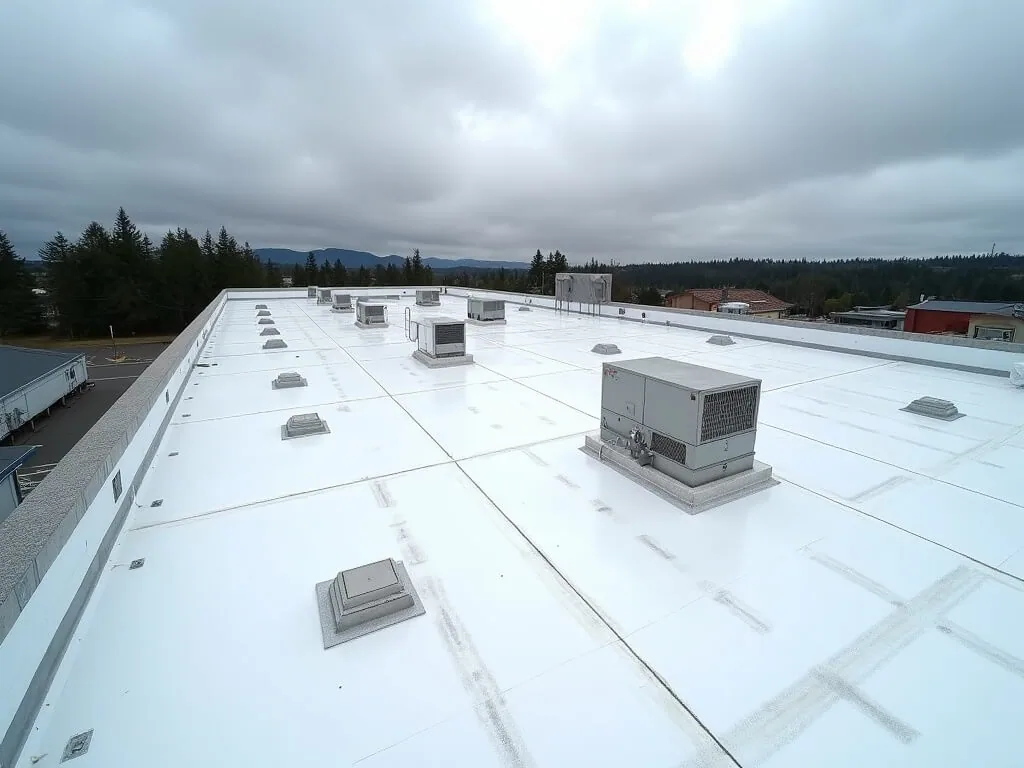
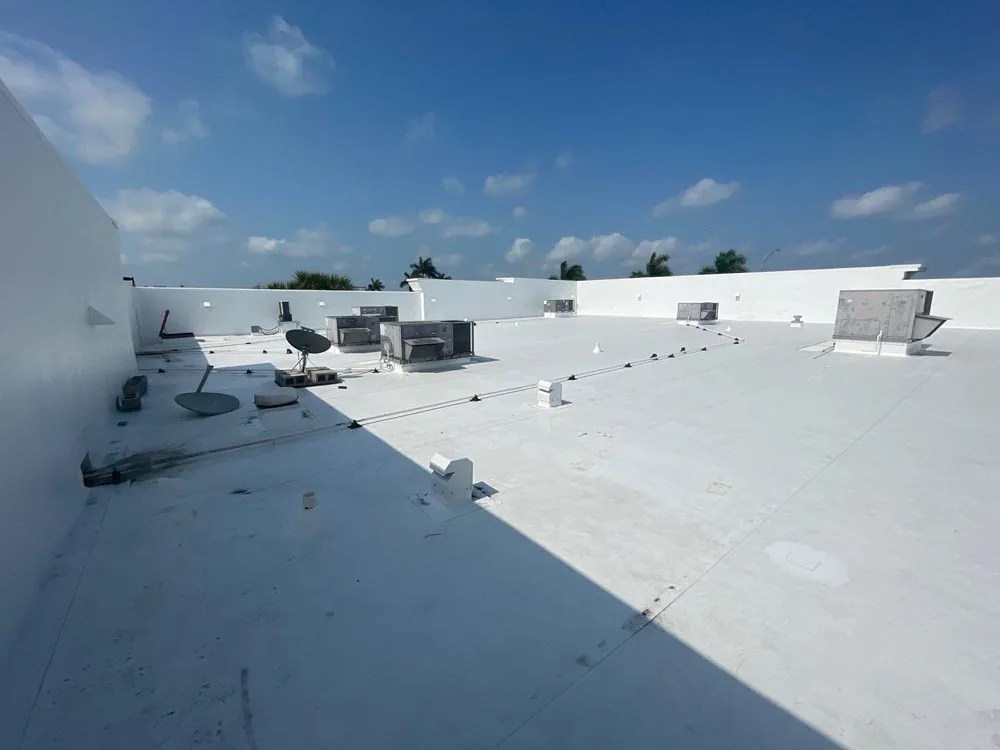
On a PVC job, the exhaust outlets get walked before the membrane is ordered. Anything that blows grease, oil or chemical vapor onto a roof shapes the choice of sheet, and PVC was made for exactly that. The membrane is welded with hot air at every seam, resists fats and many chemicals, and is laid in phases over occupied space. In Lee's Summit, MO that makes it a fit for restaurant roofs, clinics, labs and mixed-use buildings where rooftop equipment shares the surface with a kitchen or a process vent.
Polyvinyl chloride is a plastic that contains plasticizers to keep it flexible. In a PVC roofing sheet, the formulation is tuned so that it stays pliable through years of sun and temperature swings while resisting many of the oils, fats and acids that attack other membranes. A kitchen exhaust fan that drips grease on a roof can soften a membrane that is not built for it. PVC stands up to that exposure far better, which is why it is the usual choice near restaurants and food service.
It is also welded rather than glued. Hot-air welds fuse the seams into one sheet, and a good weld is as strong as the membrane itself. Reinforcing fabric in the middle of the sheet adds tear strength and holds fasteners.
The Hartley Building in downtown Lee's Summit is a mixed-use property with restaurant and retail space and second-floor offices, and a building with that mix raises the question of grease and vapor reaching the roof. The downtown historic district also holds Italianate and Moderne commercial buildings from 1850 to 1974, and a roof on one of those blocks can often be handled as a single compact phase.
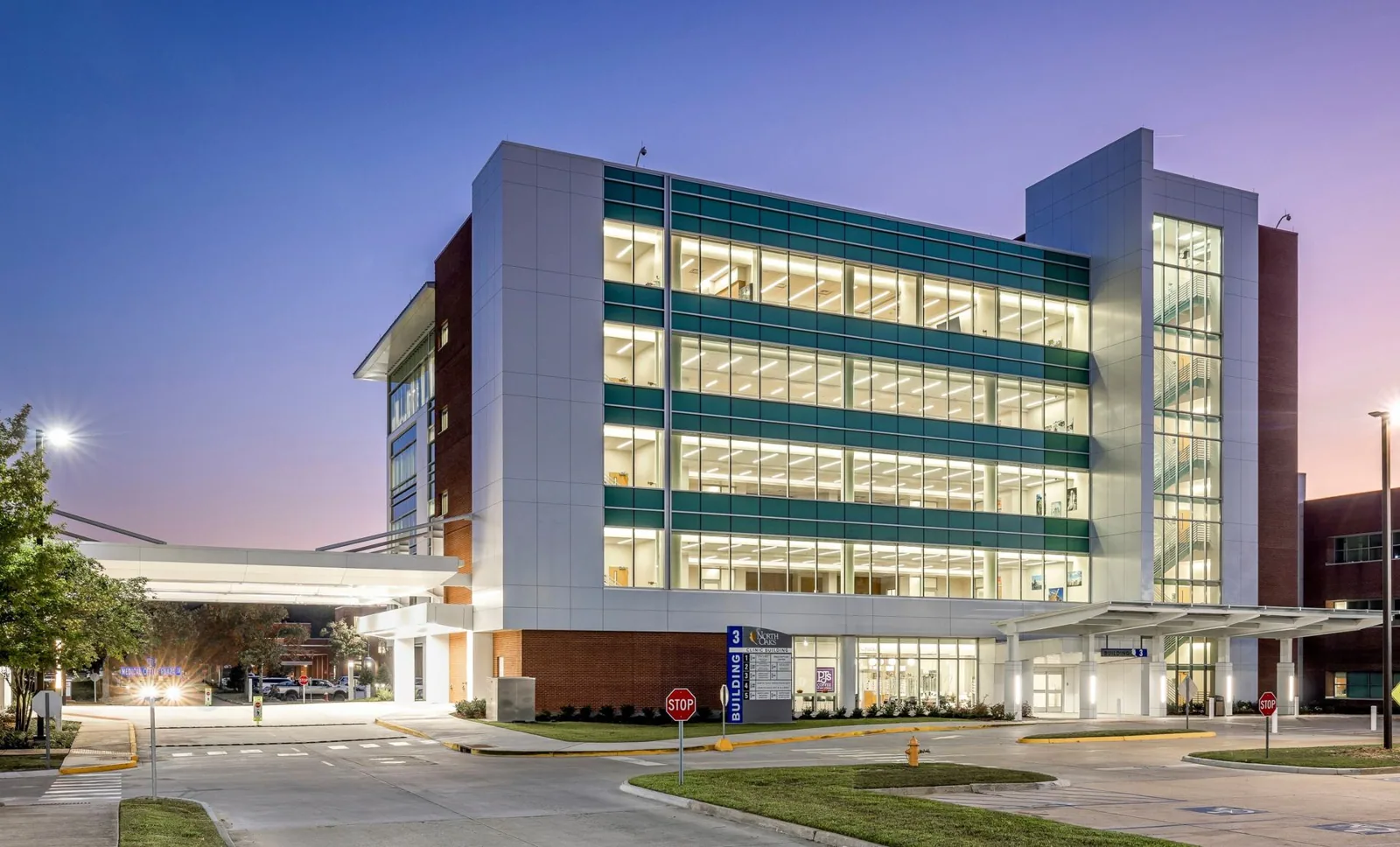
Hospitals and clinics bring another reason. Three hospitals serve the city, University Health Lakewood Medical Center among them, and any hospital roof carries mechanical exhaust that can leave residue on the surface. A medical office roof or a lab penthouse benefits from a sheet that tolerates those residues and a seam that does not weaken under them. Retail centers such as Summit Woods Crossing and Summit Fair raise the same question wherever a restaurant tenant vents onto the roof, and along I-470 and US 50 we ask it on the first walk of every multi-tenant roof.
PVC is laid like other single-ply roofs: insulation and cover board are fastened or adhered, and the sheet is rolled out over them in bands. The difference is in the details. Pre-formed PVC corners and pipe boots are welded in place, and flashings at walls and curbs are hot-air welded rather than caulked, which leaves fewer places for sealant to age out. Each phase ends with a dry-in, a walk-off and a sealed edge.
The tenant notice gives the hours, names the entries that close and lays out the truck route. A hoist and staging footprint is marked at the edge of the roof and kept clear of dock and entry hours. When the sheet is fully adhered, adhesive odor is managed with air-intake planning, and the building engineer may close intakes during application. Mechanically attached sheets avoid that issue entirely. We also check the existing deck at each fastener line, since a corroded or loose deck panel cannot hold a plate, and a cover board adds a firm surface for the sheet to bear on. Those checks take a few days on a mid-sized roof and are done before the first roll is opened.
PVC welds best in dry weather with moderate air temperature. Lee's Summit has a January mean high of 39F, a July mean high of 88.3F and a record low of -25F, so cold-weather welding calls for extra care: the sheet is stored warm, the welder settings are adjusted, and test cuts are made more often. Summer heat softens the sheet and can mark it under foot traffic, so walking is limited at midday.
The spring storm window is the part that shapes the plan. A National Weather Service warning for Lee's Summit on April 27, 2024 cited penny-size hail and gusts near 60 mph, so open phases in April or May need a hold rule that a foreman can call without waiting for approval. Staged rolls are strapped down, and every unfinished edge is temporarily sealed.
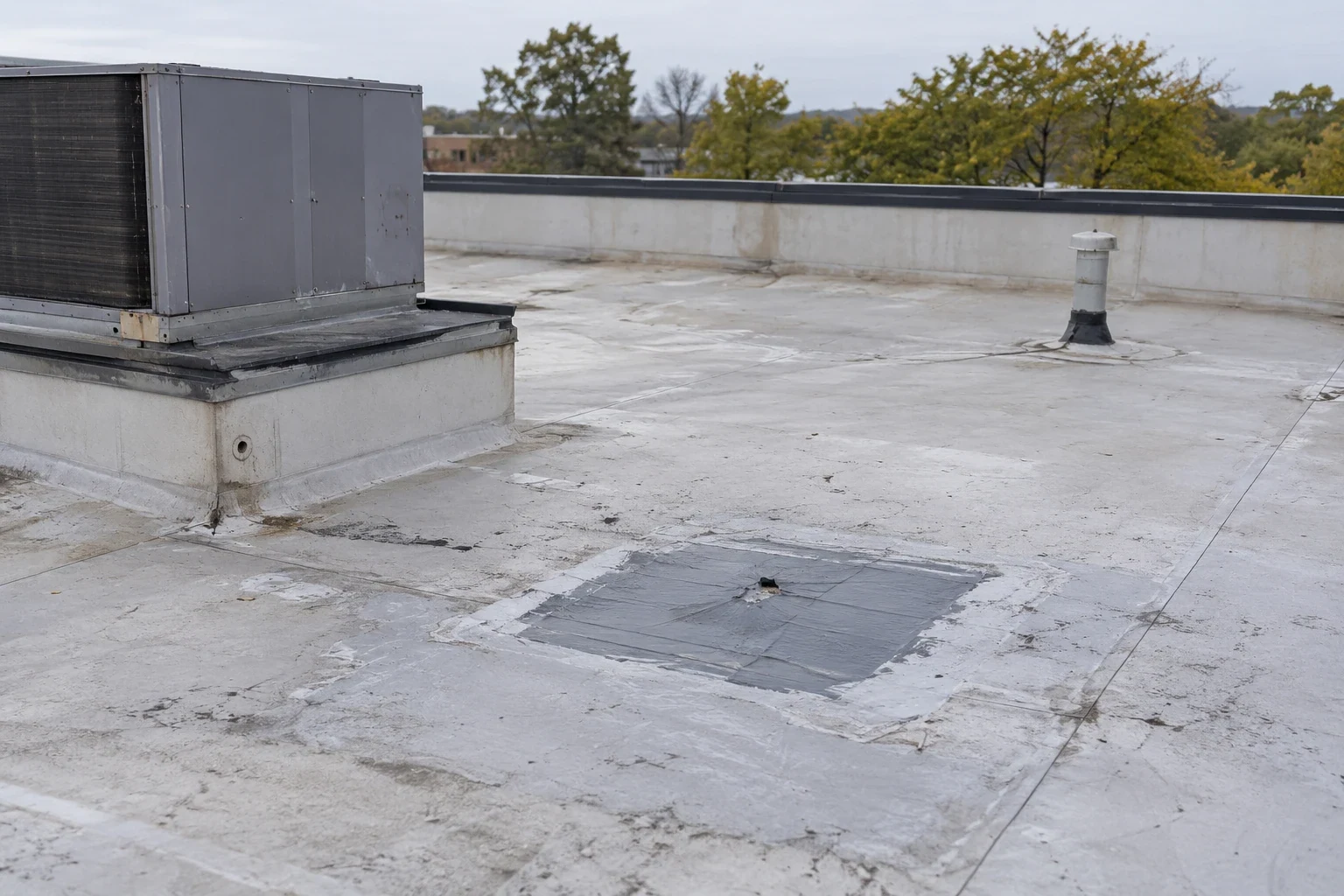
PVC is repairable, which is one of its quiet advantages. Cuts and punctures are cleaned and patched with a welded PVC cover, and failed flashings can be rewelded to the old sheet if the sheet is still weldable. A membrane that has aged for many years may need a cleaning with a special solvent before new PVC will fuse to it, and we test a small area first. Membrane puncture repair on a clean PVC roof is quick, but a puncture near a kitchen exhaust is often a sign that the grease is also getting under the sheet.
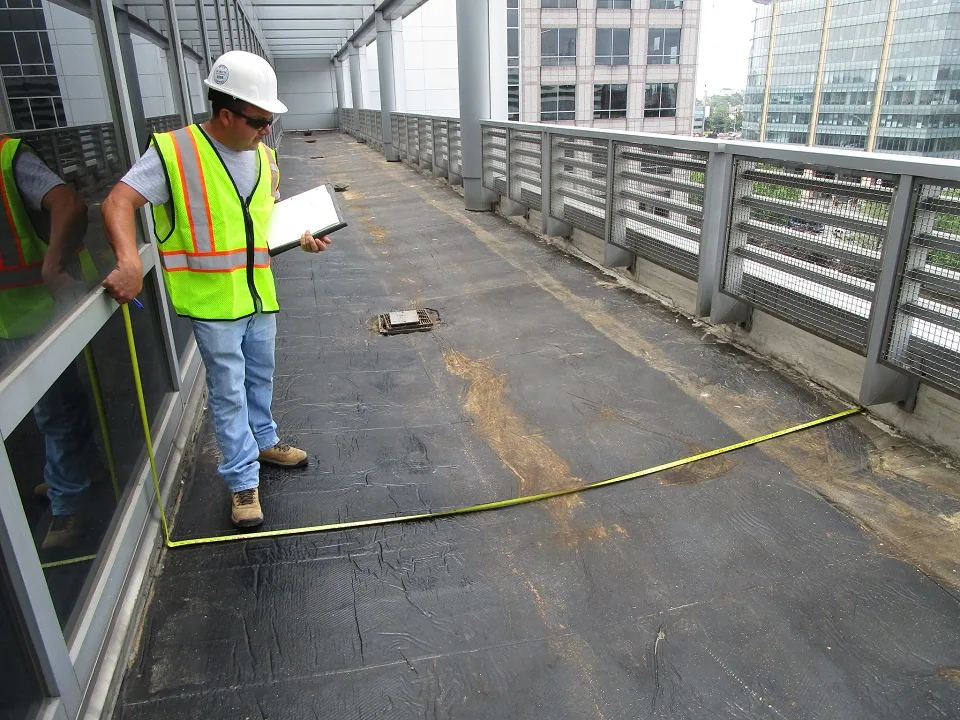
Maintenance is mostly cleaning. Grease build-up near exhaust outlets is wiped and degreased on a schedule, grease traps on the fans are checked, and the roof surface around them is photographed at each visit. A routine roof inspection catches the small changes before they become leaks.
PVC costs more than most other single-ply sheets, and the price buys the chemical resistance. For a roof with no grease or vapor exposure, a TPO sheet may serve as well at a lower price. A PVC-alloy product, which is what KEE membranes are, holds its plasticizer in the sheet so it does not migrate out over time. EPDM sits at the other end of the price range and suits roofs with no exposure to grease at all. We compare the three on a given roof by looking at the exhaust, the traffic and the budget, and we write the comparison for the property manager to carry to the owner. The Lee's Summit code edition is confirmed at submittal.
Not all of them. The test is whether grease or vapor reaches the roof surface. If exhaust fans are fitted with proper grease containment and the roof is kept clean, other membranes can work, but PVC leaves a larger margin when containment is imperfect.
A hot-air weld melts the two sheets together into one continuous layer, so there is no adhesive line to age. A glued seam relies on adhesive that can dry out or lift over years of sun and temperature swings.
Yes, when the old roof is dry and attached. A separation layer or cover board goes down first, since PVC does not tolerate contact with some old asphalt and foam products. A moisture survey tells us where the old roof can stay.
The formulation, the reinforcing fabric and the fabricated accessories add material cost, and welded flashings take longer to form by hand. The price buys resistance to grease, oils and many chemicals, which matters most near kitchens and process vents.
Modern PVC stays flexible in cold temperatures, though a record low of -25F stresses any membrane. Proper insulation, a firm cover board and well-made seams keep the sheet from taking movement at its weakest points.
Send the roof plan, the rooftop equipment list and any tenant restaurant addresses. We will walk the roof with the property manager and return a written sequence for the PVC scope before any price is set.
Request a Roof Assessment