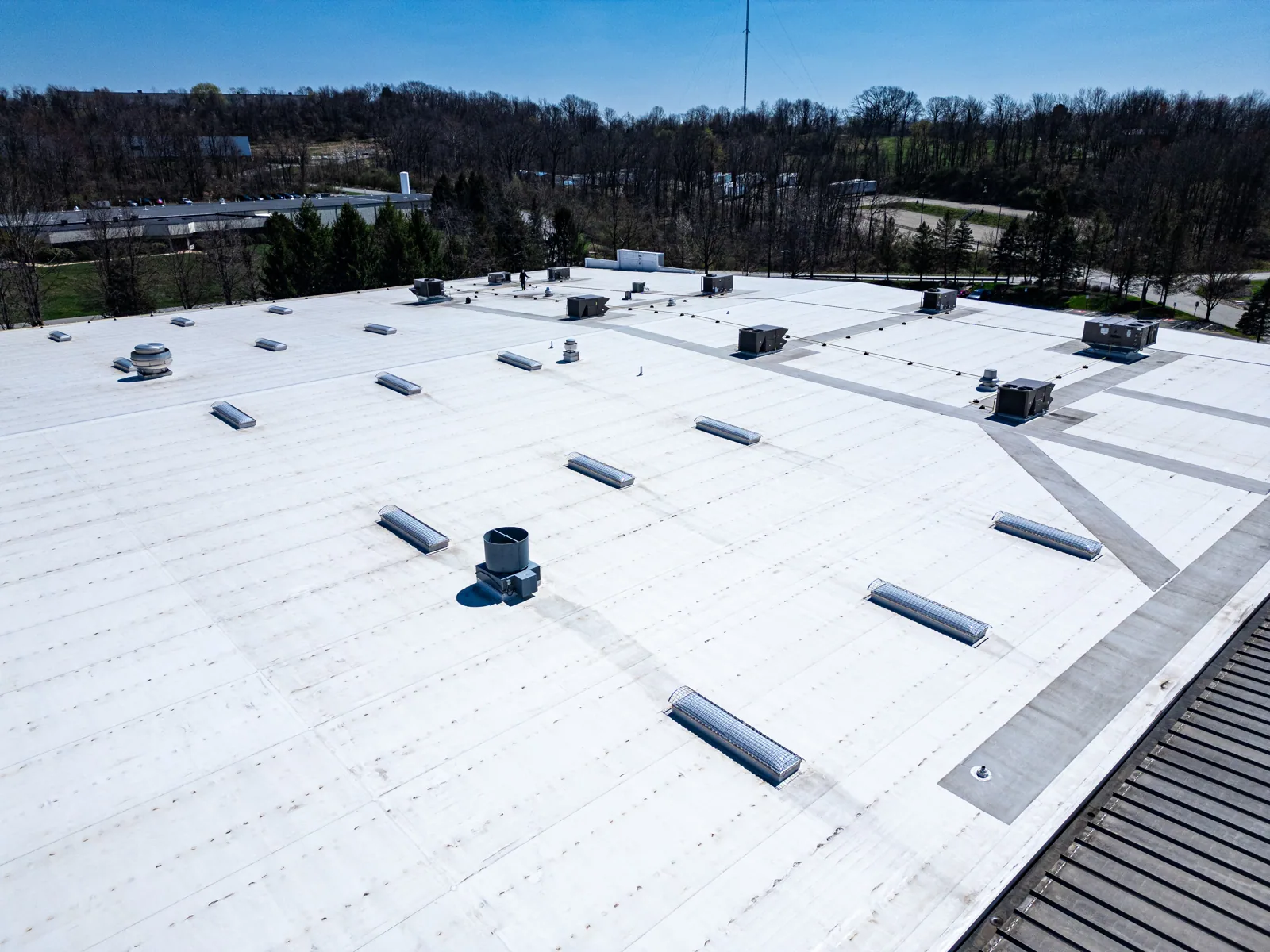
A puncture is usually found by accident: a technician notices a wet patch near a unit, a tenant reports a drip two floors below, or a walk after a storm turns up a cut nobody remembers. The sequence for repair begins with the access route, since the crew needs to know who has been on the roof, and with a notice to the tenants under the suspected area. The roof condition that decides the first move is the insulation under the cut. In Lee's Summit, MO, where health care and professional services are among the top local industries, rooftop mechanical equipment is serviced often, and every service visit is a chance for a boot, a tool or a ladder foot to cut a thin sheet.
Most punctures come from traffic. Technicians walk to rooftop units, carry tools, set down panels and drag hoses, and each trip puts weight on a thin sheet over soft insulation. Other trades come up to install conduit, cable, antennas and signs, and a screw that falls from a duct panel lies on the sheet until a boot presses it through.
Other causes are less obvious. Debris from a storm, a dropped fastener, a ladder foot, a shovel used on snow and insulation that has compressed under a unit all leave openings. We read the roof for patterns, since punctures that cluster along a walk path tell a different story from those scattered at random.
Commercial, industrial and mixed-use buildings line I-470 and US 50, and each carries its own pattern of roof visits. An office building may see HVAC technicians monthly and a telecom installer once a year, while a distribution building sees dock-door contractors, fire-protection inspectors and sign crews. We ask the manager for the list of vendors with roof access before the first walk, and the list becomes the first page of the report.
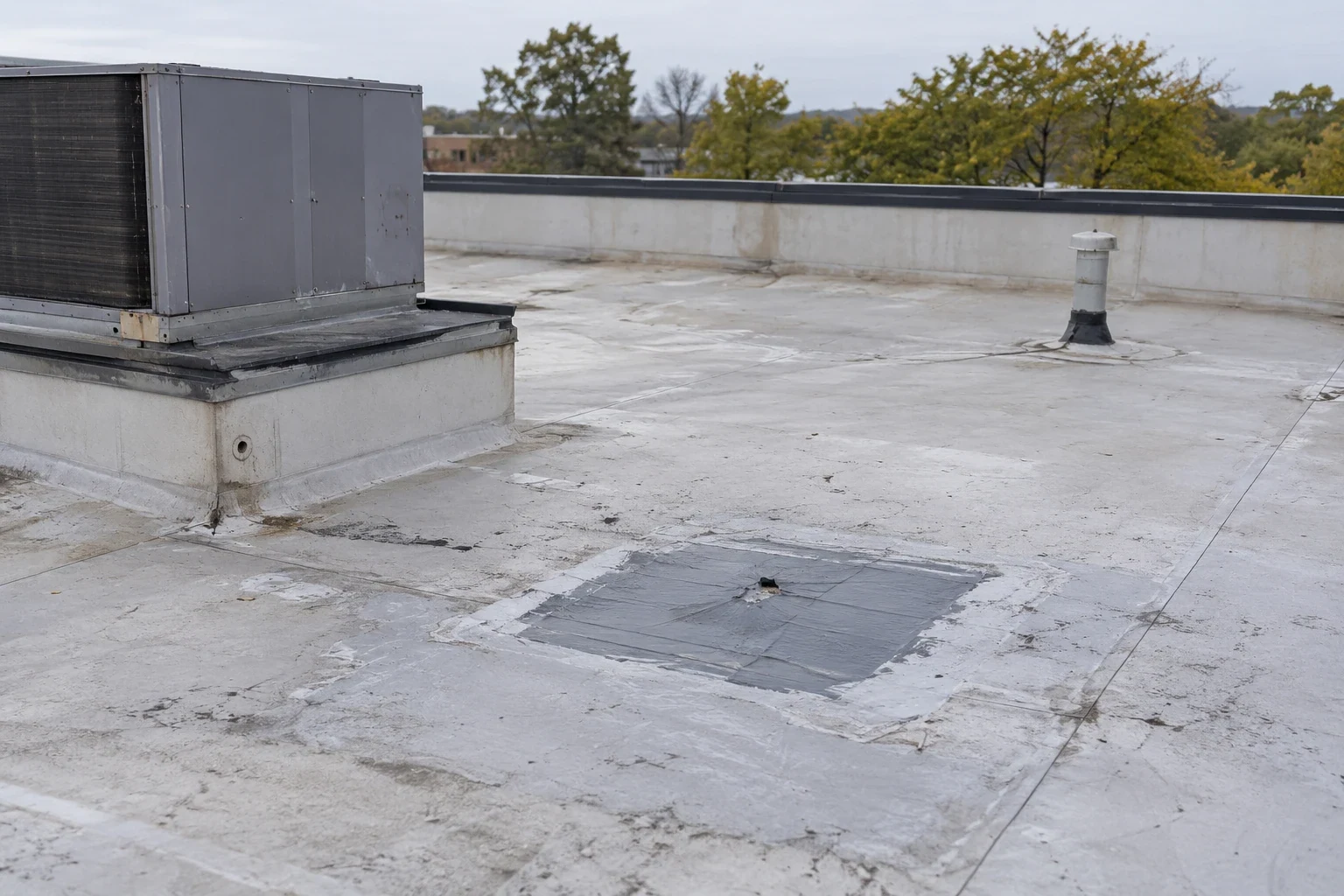
A puncture that has not yet leaked is hard to see. We walk the service routes first, scan for cuts, scuffs and soft spots, and probe doubtful areas. On a light sheet, dark lines and dirt marks show cuts, and on a dark sheet, raised edges and glints of light do. We also check lap edges, fasteners and the area around each unit, since those are the places where traffic concentrates.
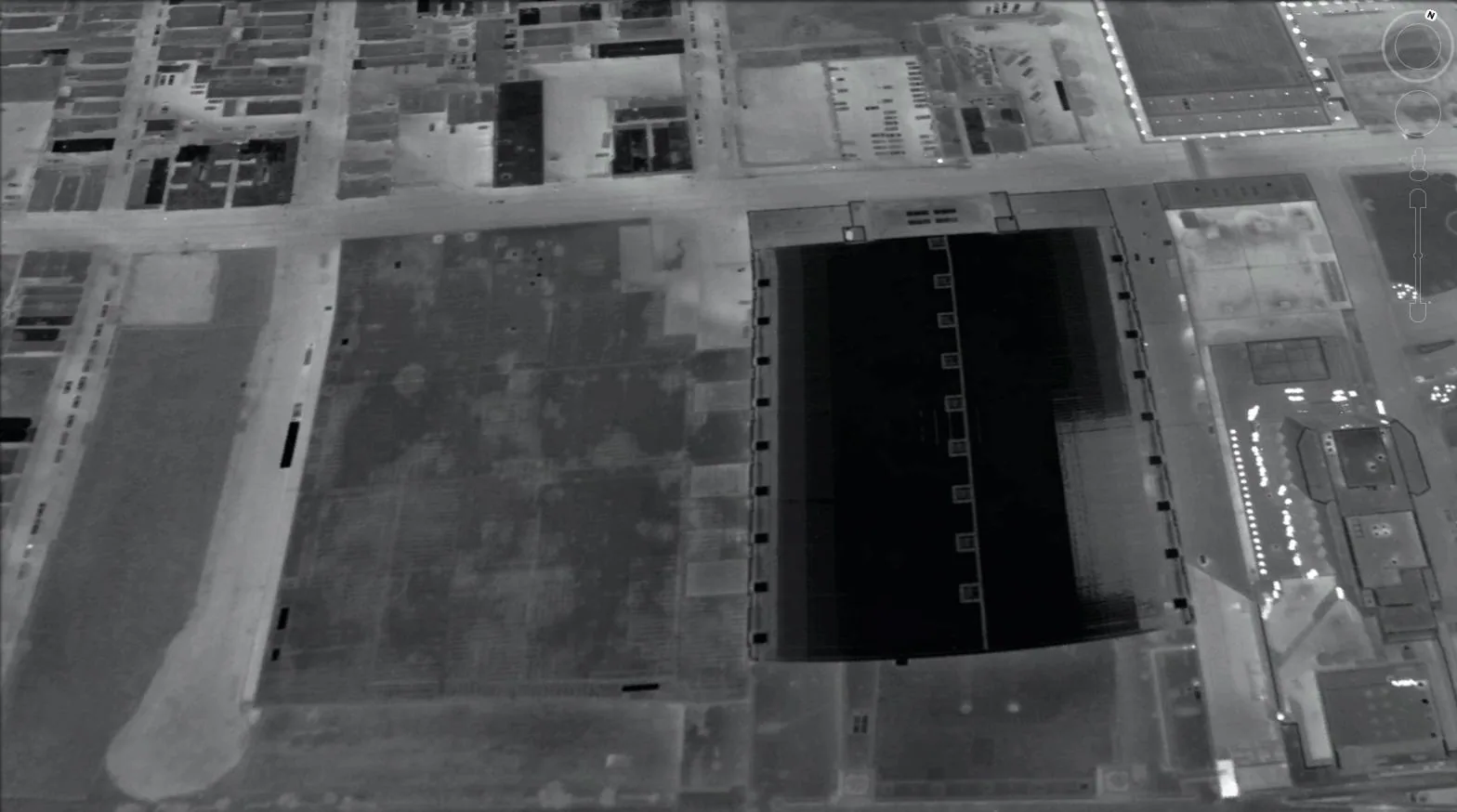
When a leak is active and the opening cannot be seen, moisture mapping narrows the search. An infrared moisture survey points to wet insulation, and the cut almost always sits at the upslope edge of the wet area. Our commercial roof leak repair follows the wet zone back to the opening.
Timing helps the search. Early morning light shows cuts as shadows, and a light hose test in sections can show the path of a leak that is dry on a sunny afternoon. We choose the hour for the search by what the roof looks like in that light, and we record it, so a later reader knows how reliable the photographs are.
A fresh cut over dry insulation needs only a patch. A cut that has leaked for a season may have wet board under it, and a patch over wet board seals moisture in. We take readings around the hole, open the membrane if needed, and remove insulation until we reach dry material. The wet area sets the repair boundary, not the size of the cut.
If the wet zone is small, we replace the insulation locally and patch the membrane over it. If it is large, the repair becomes a section replacement and is priced separately. Photographs of the wet material, the readings and the dry boundary go into the report, so the owner sees why the repair is larger than the visible damage.
The patch has to match the sheet. On TPO or PVC, a welded patch of the same material with rounded corners and an overlap fuses to the field. On EPDM, a cleaned and primed patch with seam tape or cured adhesive bonds to the rubber. Modified bitumen takes a heat-welded or torch-free patch with a matched cap, and built-up roofs take a layered repair with felts and bitumen.
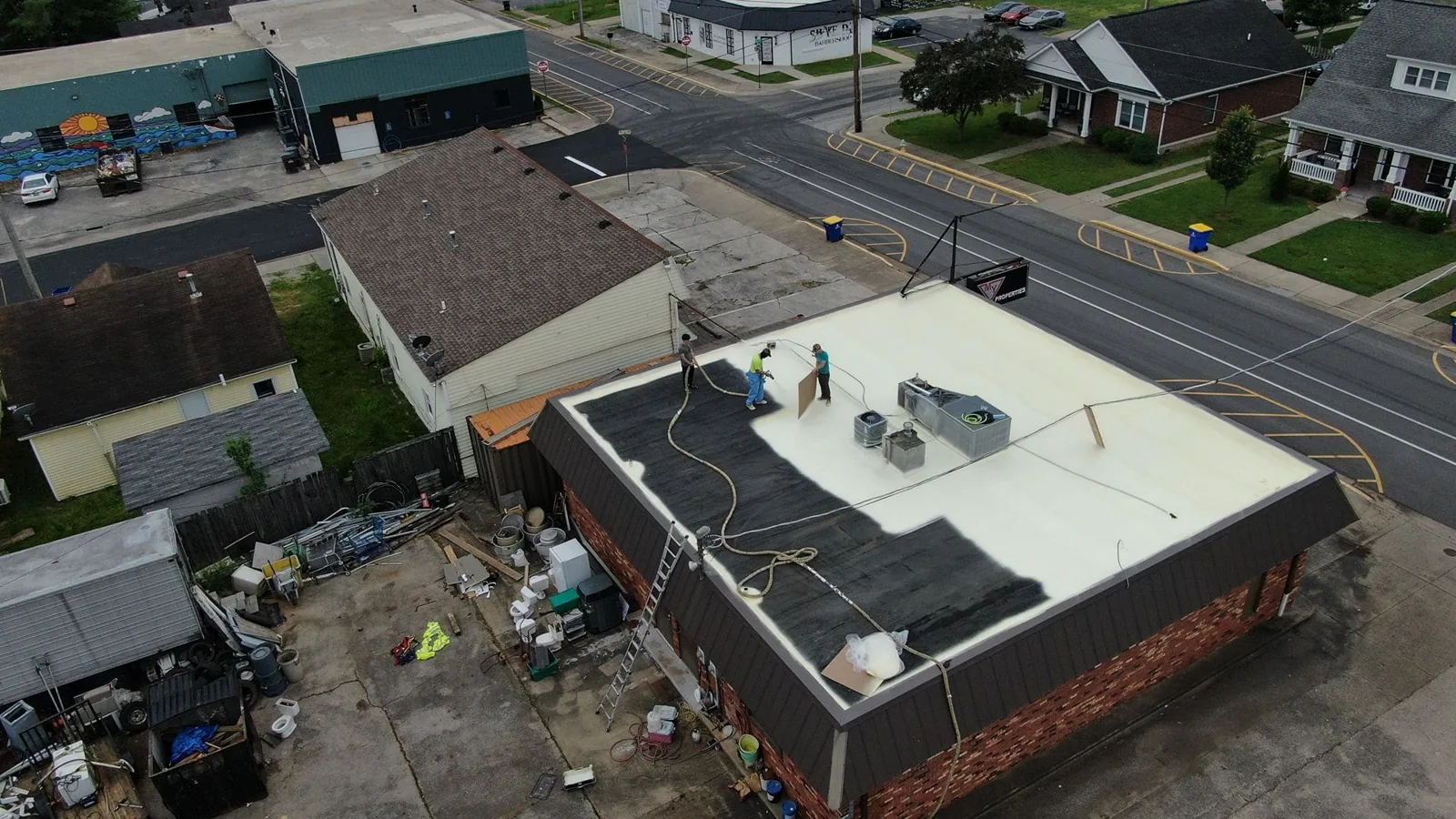
Cold weather shortens the list of materials. In winter we place temporary mastic and fabric patches that hold through the season, and the permanent patch follows on a mild day. Each patch is probed after it cures, and the dry-in point for the repair is set so the opening is closed by evening.
Patch size is a judgment call. A small cut gets a patch that extends several inches past the damage in every direction, and a long slice or a cluster of nicks may call for a strip across the full width. Corners are rounded so water has nothing to catch, and the patch is pressed or rolled to remove air. Tenants under the work are told the day and the hours, and the staging footprint is kept clear of dock and entry doors.
Repairing punctures without controlling traffic is a short-term fix. A path of heavy walkway pads from the roof hatch to each unit gives technicians a wear surface and shows them where to walk. A log at the hatch records each visit by trade and date, and when a cut turns up, the log narrows the list of visitors.
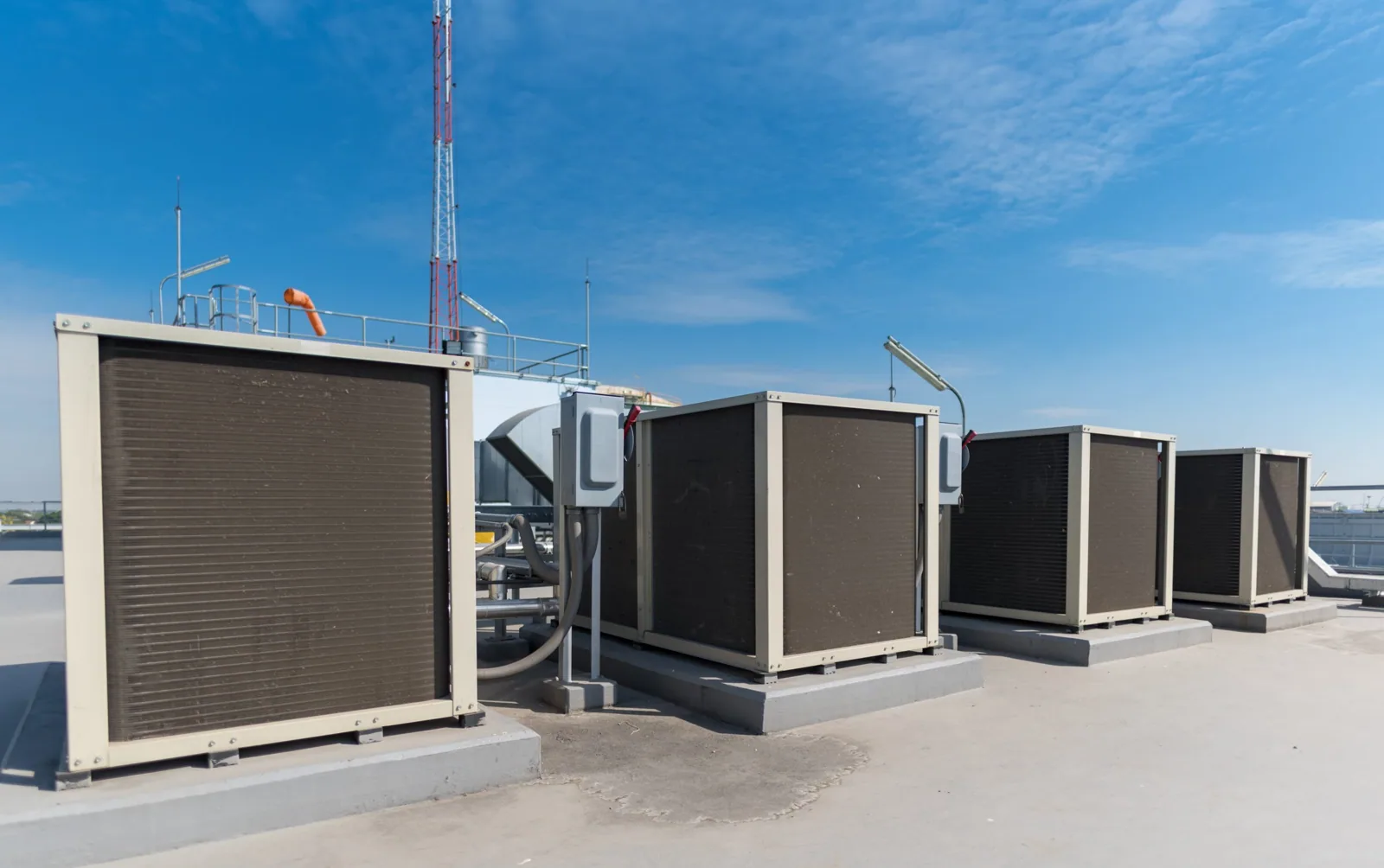
Equipment is another source. A pipe, conduit or refrigerant line resting on the sheet wears through over time, and our equipment curbs and supports raise lines off the surface. Near details, flashing failure repair and seam repair protect the places where a cut costs the most.
Ladders and lifts need pads too. A ladder foot on a bare sheet can crush insulation and cut the membrane, and a lift tire on a thin roof can do worse, so plywood or pad material goes under both whenever the sheet is crossed. A magnetic sweep after mechanical work picks up screws and fasteners before they do harm.
The turnover package shows each opening with a before photograph, the patch used, the moisture readings and an after photograph. It also lists the pad locations, the log procedure and any open items held for weather. Managers of office buildings in Lee's Summit can attach the walk-path drawing to their service contracts, so mechanical vendors know the route before the next visit.
Walk the service routes, scan for cuts and soft spots, and probe doubtful areas. A moisture survey picks up wet insulation under cuts that are hard to see.
Yes, with temporary mastic and fabric. A welded or bonded patch follows when the weather allows, and the temporary patch is listed with a date for replacement.
If the insulation below is dry, yes. If it is wet, that material comes out first, and the repair boundary follows the wet area instead of the hole.
The contract and the evidence decide. A hatch log and dated photographs help trace the damage to the work that caused it.
Walkway pads on the routes people use, raised supports for lines and a log at the hatch. The pads cost little next to repeated repairs.
Send the building address list, tenant hours and the names of the trades that service the roof. We will walk the roof with the property manager and provide a written sequence plan before any scope is priced.
Request a Roof Assessment