
KEE becomes the question when a membrane near a kitchen vent has gone stiff, or a clinic roof has chalked and cracked at the seams, and the property manager wants to know why. KEE answers that question, and the answer comes with a price the owner should see before the roof plan is final. The first walk collects the evidence: where the exhaust blows, how old the current sheet is, how it feels underfoot, and how the seams probe. It is a PVC-alloy membrane built so its softening agent stays in the sheet for the life of the roof. In Lee's Summit, MO we recommend it where exhaust, sunlight and temperature swings are all working on the same sheet at once.
Ordinary PVC is made flexible with plasticizers that can slowly migrate out of the sheet, leaving it stiffer and more prone to cracking after years in the sun. KEE stands for ketone ethylene ester. It is a polymer blended into the PVC that holds the flexibility in place, so the sheet stays supple as it ages, and it does not depend on a plasticizer that can leach away.
The sheet is reinforced with polyester fabric and welded with hot air at the seams like other thermoplastic membranes. It resists many oils, fats and chemicals, and it tolerates the heat from rooftop equipment. Because the formulation is more complex, the sheet costs more than a basic PVC and much more than rubber, so we recommend it where those added properties earn their keep.
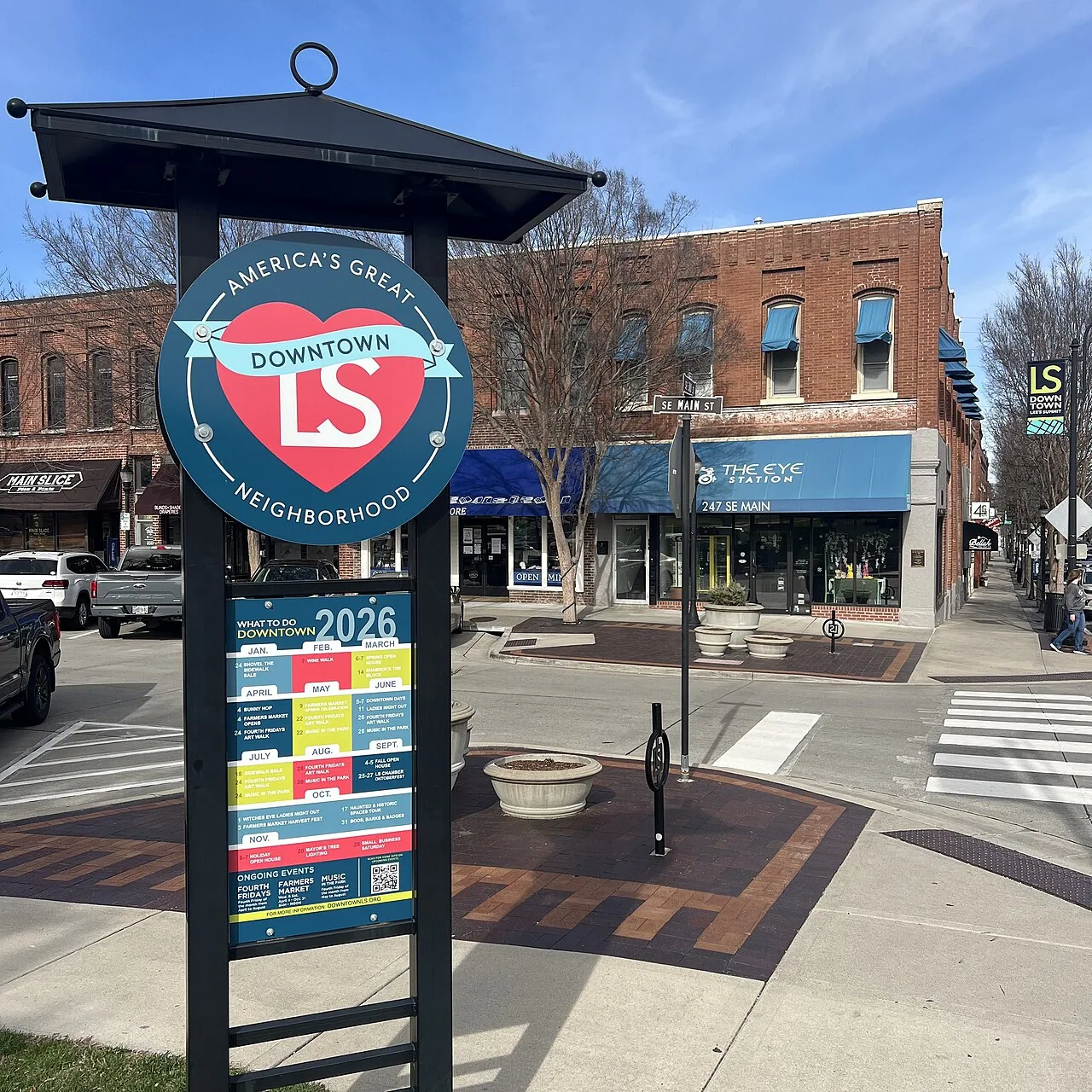
The strongest case for KEE is a roof with grease and vapor exposure plus years of sunlight. A downtown mixed-use block with restaurant space is one example, and the Hartley Building, a 15,353 square foot property in downtown Lee's Summit with restaurant and retail space and second-floor offices, shows how restaurant, retail and office uses share one building. The Downtown Historic District has Italianate and Moderne commercial buildings dating from 1850 to 1974, and a roof there that sits beside kitchen exhaust is a candidate for a sheet that will not stiffen.
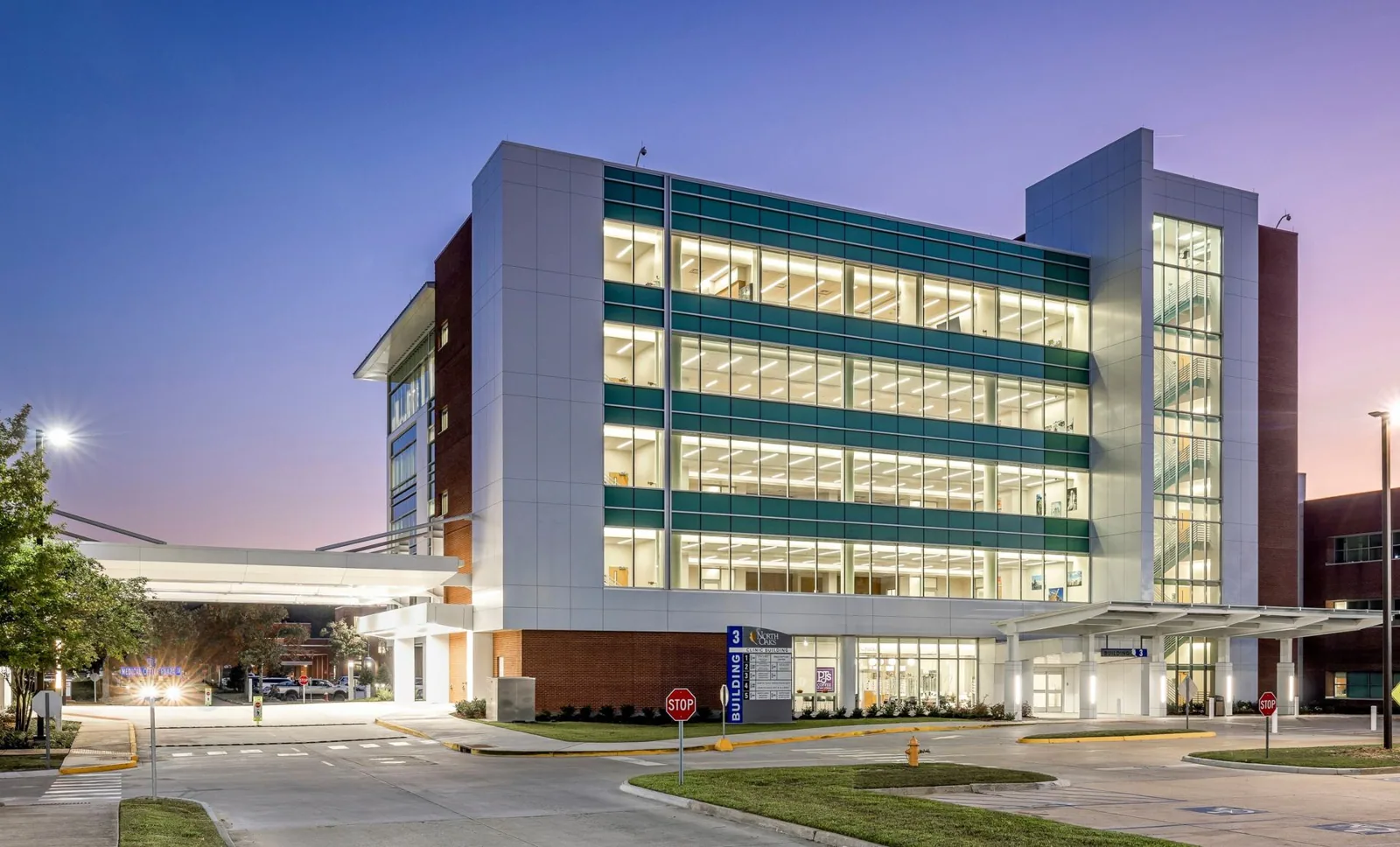
Hospitals and clinics make a second case. Lee's Summit Medical Center and the city's two other hospitals sit alongside clinics and medical office roofing projects across the city, and any medical roof carries exhaust that a sensitive membrane would not like. Exhaust outlets are mapped on the first walk, and the sheet around each one is checked for staining, softness and lifted welds.
KEE goes down the way other welded single-ply sheets do. The crew fastens or adheres insulation and cover board, rolls the sheet, welds the seams and details the flashings. The welding has a narrower operating range than TPO: temperature and speed must match the sheet, and test welds are cut and pulled each morning to confirm the settings. Corners, boots and drain flashings are pre-formed where they fit and hand welded where they do not.
Before the first day we mark the staging footprint, the hoist location and the access route on the roof plan, and the tenant notice describes the hours and closed entries. Each phase ends with a dry-in, and a foreman walks the edge before the crew leaves. For a building along I-470 or US 50, the Lee's Summit sequence plan lists those steps in writing for the property manager.
The July mean high in Lee's Summit is 88.3F with a record high of 108F, and a rooftop in direct sun runs far hotter than the air. A sheet that depends on a plasticizer to stay flexible loses it faster in that heat. The other end is cold: the record low is -25F, and a welded seam in a flexible sheet takes thermal movement better than one in a stiff sheet.
The storm calendar sets the hold rules. Across Lee's Summit on April 27, 2024, a National Weather Service warning cited penny-size hail along with gusts of 60 mph. Open work in April and May carries a stated hold, with rolls strapped, edges sealed and materials moved off the roof edge when a warning is posted. After hail, the sheet is inspected by hand, and bruises are marked for the hail damage repair file.
A KEE roof can be repaired by welding a compatible patch over the damage after cleaning. Aged sheets sometimes need a surface treatment before they will weld, which we test on a small area first. If the roof is eventually replaced, the old sheet can stay under a recover when the insulation is dry. That decision follows an infrared moisture survey, and the new layer goes over a separation board, which makes the work a true roof recover and keeps the tear-off, noise and dust out of the suites below. If the survey finds wet insulation, that area is cut out and replaced before anything is laid over it.
When a roof is removed, KEE can be recycled in some programs, depending on the manufacturer and the condition of the sheet. We confirm the options at the time and do not promise a result before the material is on the ground. A repair record that names the exhaust source beside each patch lets the next visit start from the likely cause instead of a fresh search.
The three are close cousins. A PVC roof is the usual starting point near food service. KEE adds a longer flexibility life for roofs under heavy sun and exhaust. A TPO roof is the better choice for a roof with no chemical exposure and a tighter budget. The roof plan, the exhaust list and the budget all go on the page together, and we write the comparison so the property manager can bring it to an owner. The 2024 I-Codes govern projects submitted on or after October 1, 2026, and the 2018 edition governs earlier ones, so the insulation values are checked to match.
On a roof with heavy exhaust and strong sun, yes, because a sheet that stays flexible resists cracking at the seams for longer. On a roof with no chemical exposure, the added cost buys little, and a simpler membrane does the work.
With care. Rolls are stored warm, test welds are made more often and the welder is adjusted for the air temperature. Cold below freezing is held for repairs and prep, since the sheet and the substrate both need dry, workable surfaces.
A lifted edge, a ripple along the seam line or a channel that the probe slides into. We probe every seam after the weld cools and mark any weak length for rewelding the same day, before the next phase begins.
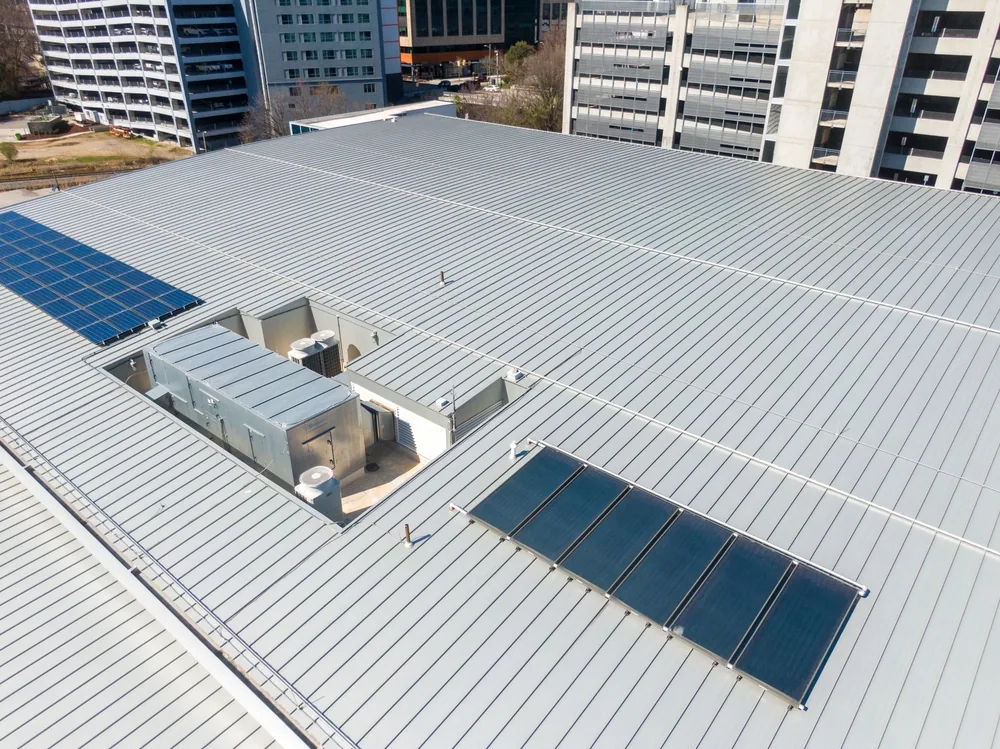
Yes. The sheet is firm, flat and weldable, which makes pads and flashings easy to detail. Racks are set on protective pads, and conduit crossings are flashed with a boot welded to the sheet.
A stiff, chalky surface, shrinkage at the edges and cracks along welded seams are the signs. We test the flexibility by hand on the first walk and cut a small sample from an inconspicuous area when the roof plan calls for lab review.
Send the roof plan, the equipment list and any photographs of cracked or chalked sheet. We will walk the roof with the property manager and return a written sequence for the KEE scope before any price is set.
Request a Roof Assessment