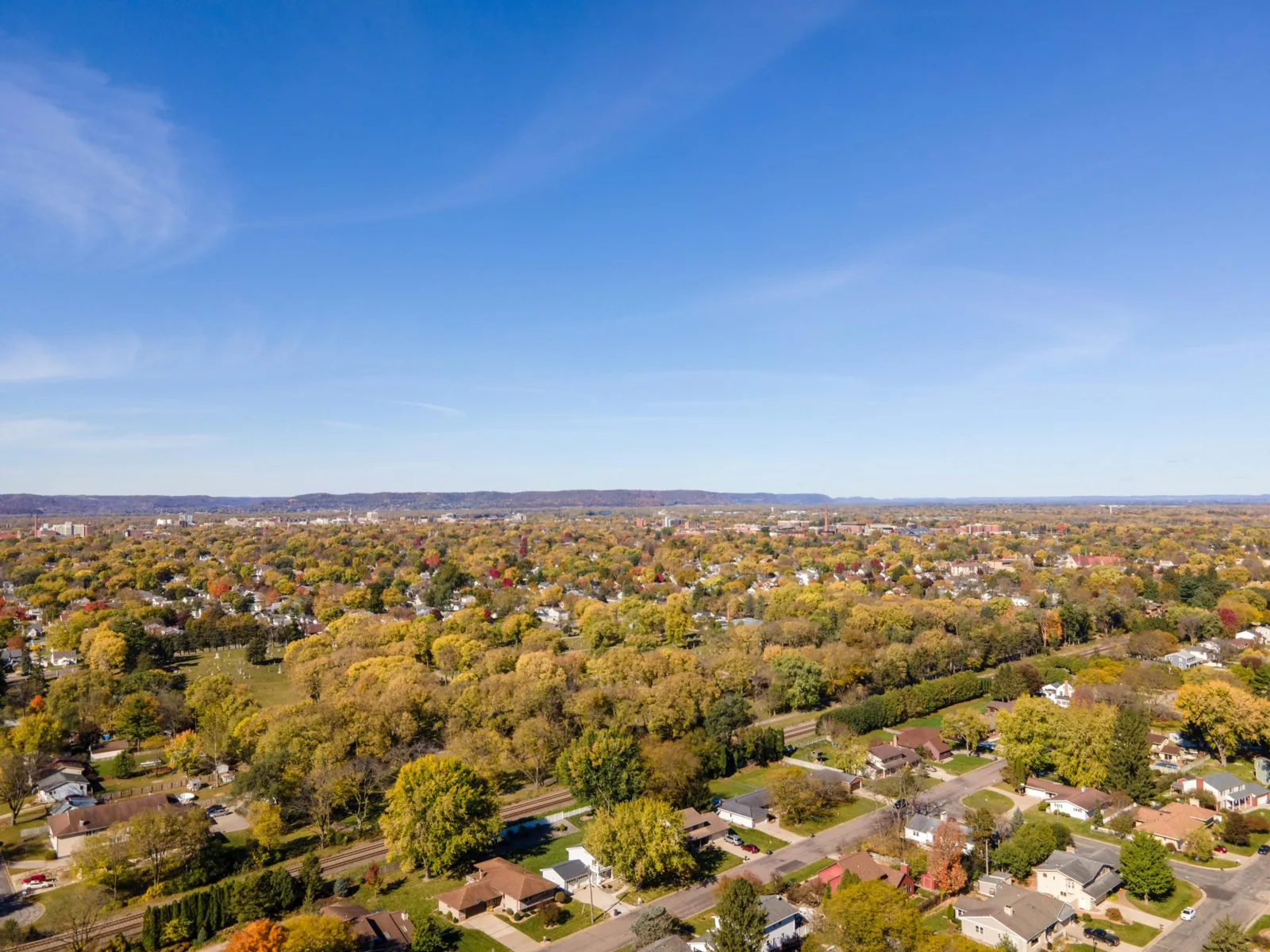

Truck courts, school calendars and clinic schedules set the terms for roof work in Belton, MO, long before anyone chooses a membrane. The city sits on Missouri Route 58 west of I-49/US 71 in northwestern Cass County, about four miles from the Kansas line. QuikTrip Distribution was listed as its largest employer in the city's 2016 financial report, ahead of the Belton School District and Belton Regional Medical Center. A distribution operation, a school and a hospital each need a different order of work from a roofer, and we plan each one around the people and trucks that cannot stop.
The first walk fixes the staging footprint, the access route and the point at which each phase is dry.
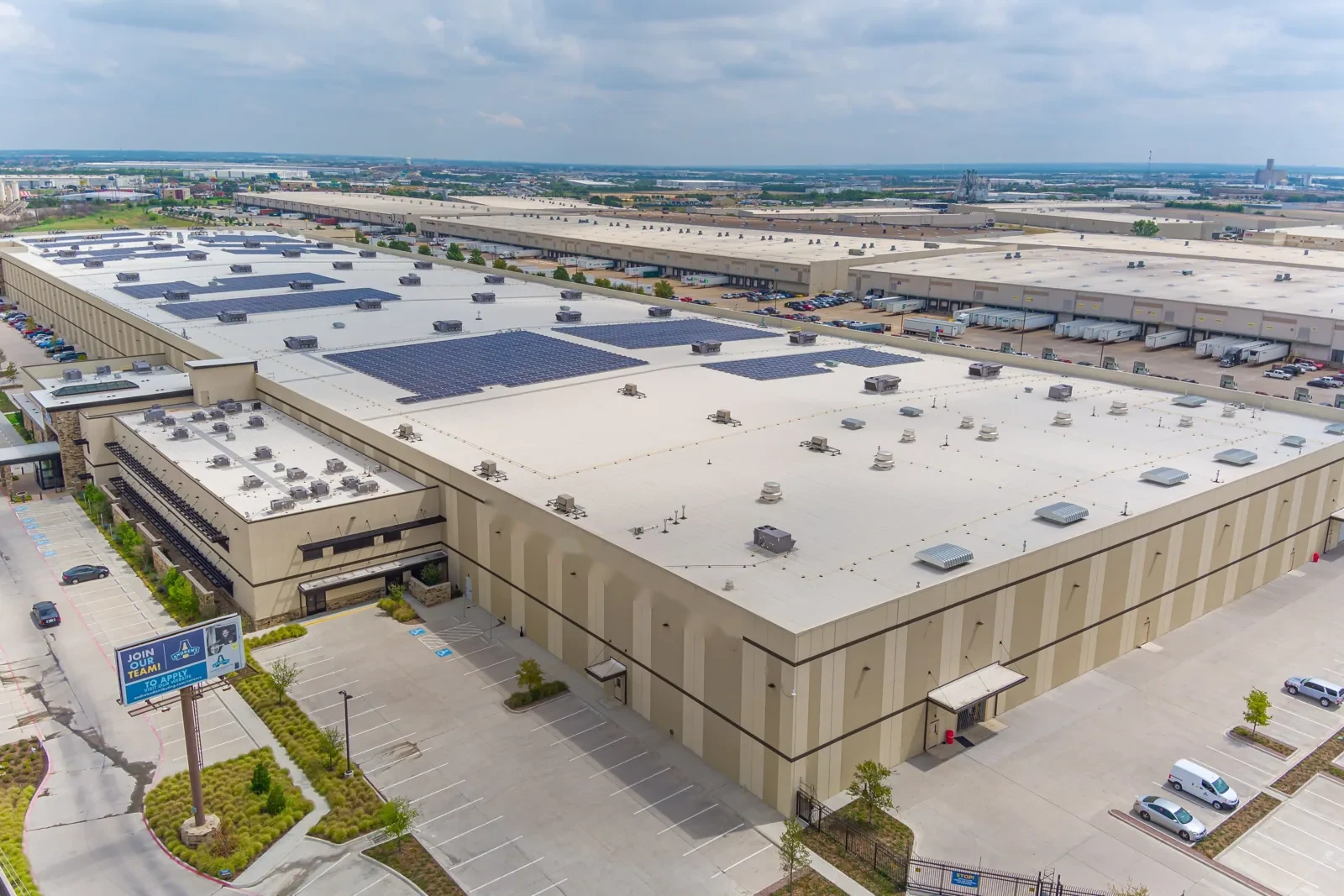
Where a distribution operation is the largest employer, the roofs worth planning first are the ones over docks, storage bays and loading courts. A roof over an operating dock is worked in sections that move away from the doors, so a trailer is never backed under an open deck.
On any building like that, we check the membrane at the dock canopies first, since overhead doors, vents and large exhaust units concentrate penetrations there. We look for ponding on a big flat expanse, seams along drain lines and wet insulation under traffic routes. A distribution center roof in this condition usually takes an infrared scan, a few core cuts and a written plan that says which bays can be closed and when.
Cost and timing on such a roof come from a short list of drivers: the area to be covered, how much insulation is wet, whether the deck needs repair, how many units must be lifted and how many phases the operation can tolerate. A recover over dry insulation is quicker and produces less debris than a tear-off, while a roof with widespread moisture needs removal of the wet layers. The moisture survey is what separates the two.
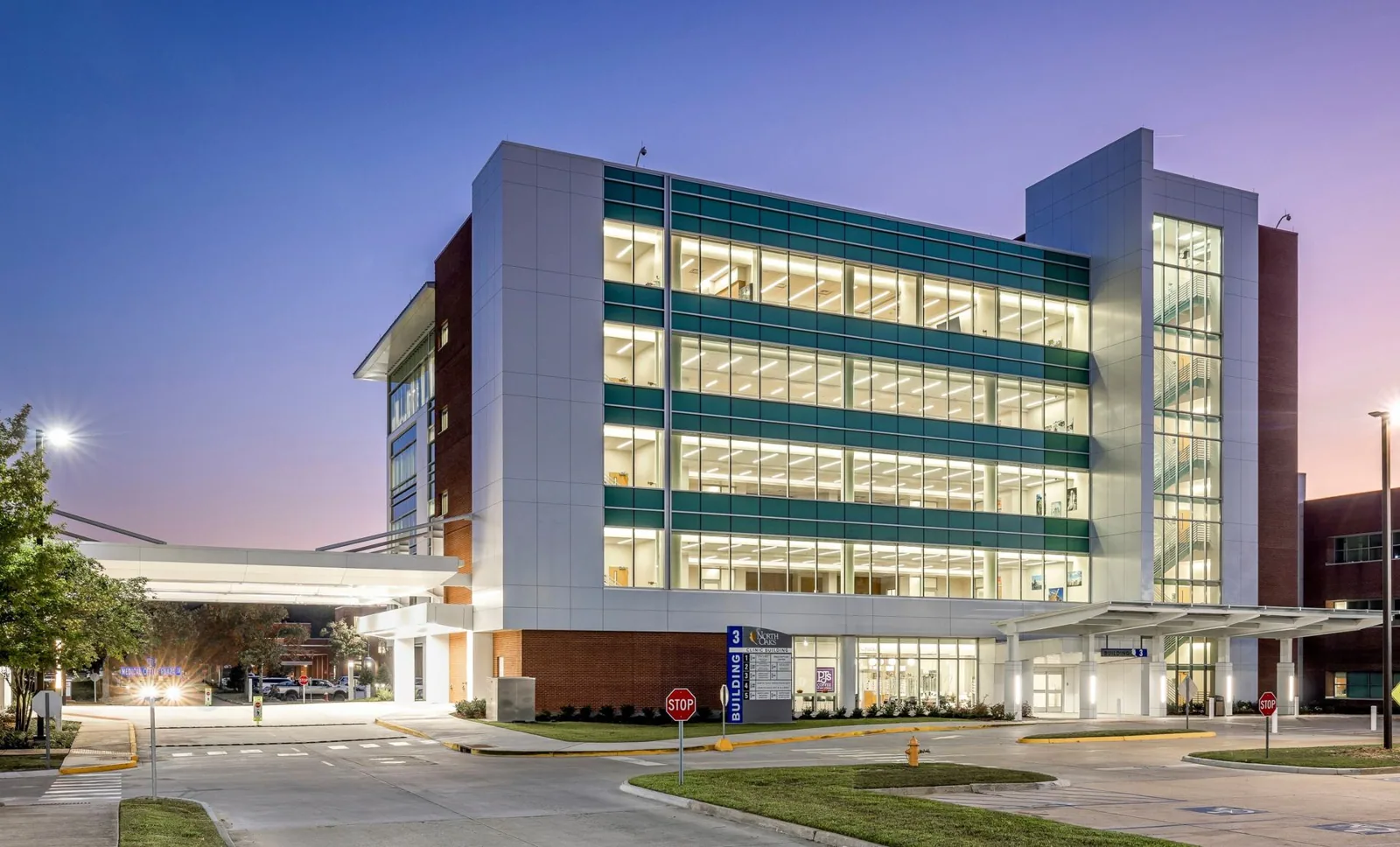
Belton Regional Medical Center is among the city's largest employers, and a medical building brings controlled access, air intakes and noise limits to the roof plan. We read the building's rules before drawing the sequence, then place hot work, loud tasks and material lifts in windows the facility manager approves.
On healthcare roofs we favor methods that avoid open flame and strong odors near intakes, and we mark every intake on the roof drawing. The crew works from a controlled laydown area, with debris removed in covered containers. A medical office roof follows a lighter version of the same discipline, with noise and access scheduled around clinic hours.
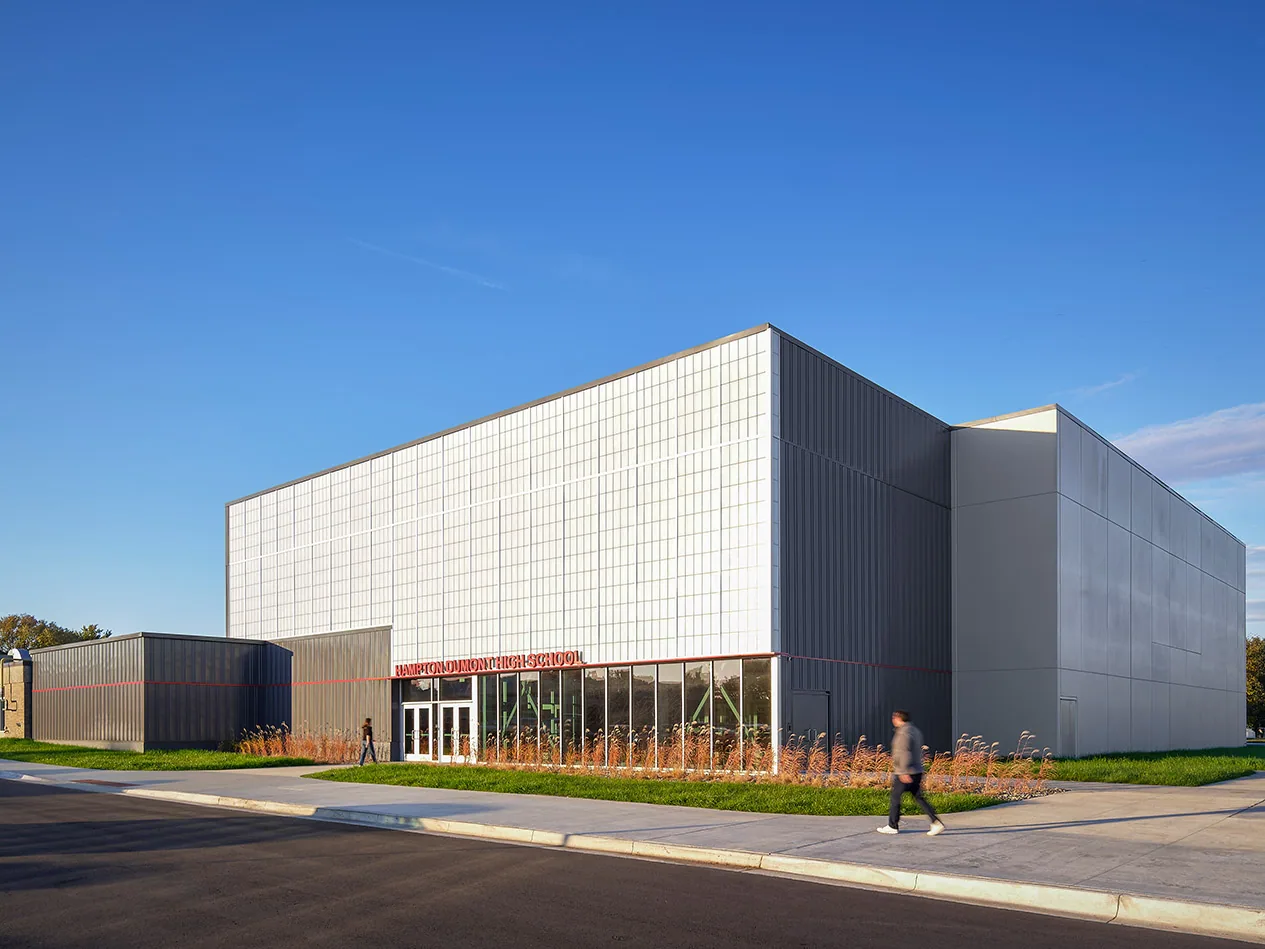
The Belton School District is the next-largest employer, and a school roof follows a calendar no other building shares. Classrooms are empty from late spring, and a project must be dry-in complete before students return. That makes material orders, deck inspections and crane dates the critical items.
The plan therefore begins in winter. Roofs are surveyed, core cuts are taken, and the scope is written with a phase map so that sections are finished in order. If deck repair proves larger than expected, the plan names which sections can be closed temporarily and finished on weekends. A school roof that finishes late hurts a whole district, so the schedule has float built in.
Access is the other school question. Trucks, a hoist and a dumpster need a route that stays clear of buses and parent traffic during any week school is in session, and the notice to the principal's office names the days a lane is closed. Gym roofs, cafeteria roofs and classroom wings often differ in age and membrane, so each is surveyed separately and priced as its own phase.
Nearby Lee's Summit gets roughly 38 inches of precipitation in a year, with January afternoons near 39F and July afternoons near 88F. The Pleasant Hill forecast office named Lee's Summit in an April 27, 2024 warning that cited gusts of 60 mph, penny-size hail and roof damage, and that date marks the spring calendar we use for Belton as well.
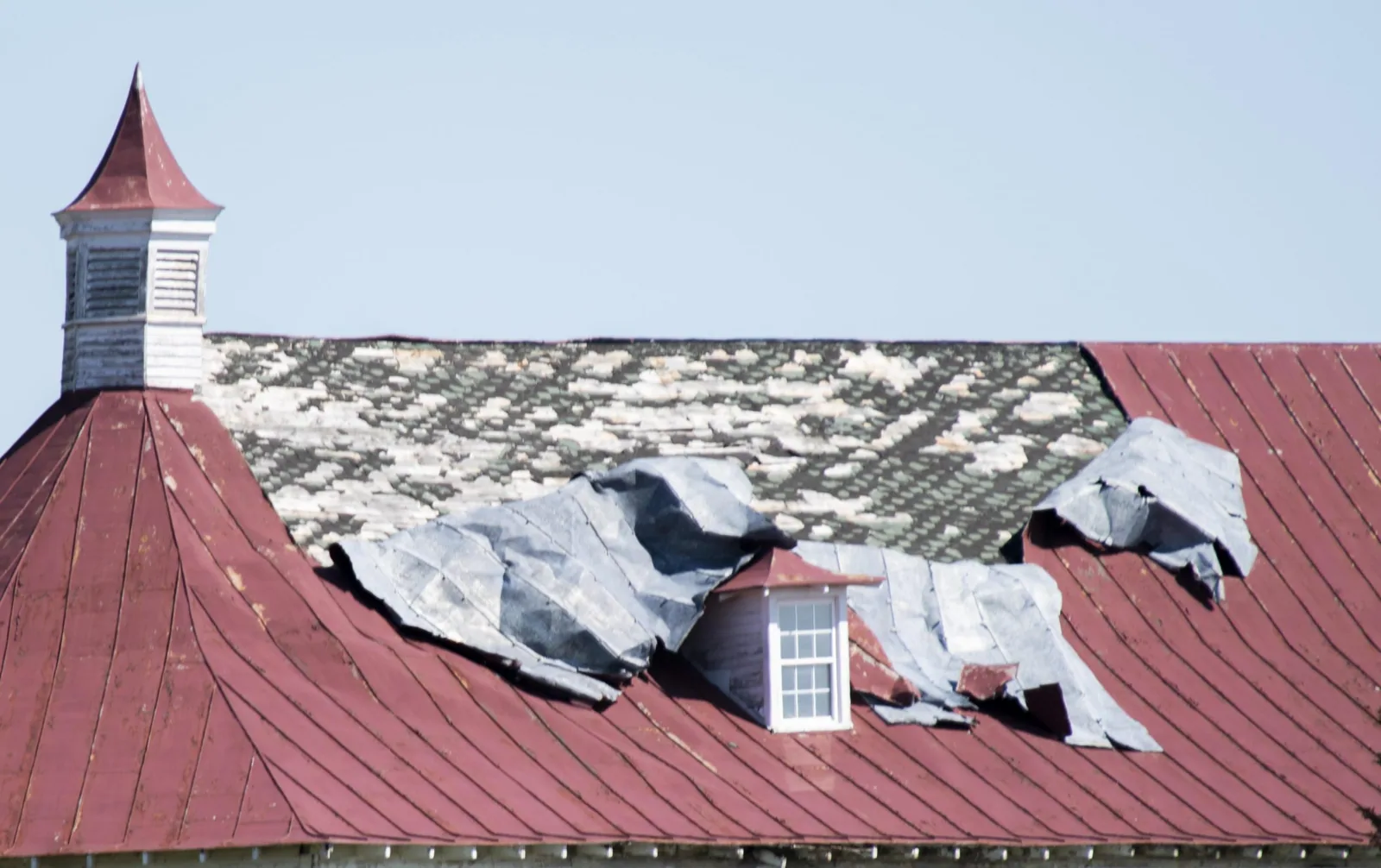
Seam and flashing repairs are placed in March, drains and scuppers are cleared, and any section opened in spring carries a weather hold rule. After a storm, the roof is walked for bruising, split seams and displaced edge metal, with dated photographs for the claim. The steps for a wind-damaged roof begin with the perimeter, where uplift is highest.
Belton lies about five miles south of Grandview and about four miles west of Raymore, so an owner with buildings in more than one of them can run a single roof program. A crew that has walked the roofs in Grandview and Raymore can carry findings from one site to the next, such as a failing flashing pattern or a drain type that clogs.
Combining the sites also gives the manager one calendar. Spring checks are grouped, summer replacements are staggered and winter is left for planning and temporary repairs. The result is a schedule that matches each roof's condition and avoids paying for emergency calls on the weakest building.
Route 58 and I-49/US 71 give crews and deliveries a way between sites, so a hoist does not sit idle between visits. Material for two buildings can be ordered together, and a single weather hold decision covers all of them.
At the end of each phase, the property manager receives the roof drawing with the opened and closed areas, dated photographs, product data and a list of what the next walk should check. When a lender or buyer asks about the roof, the file answers without a new survey.
For owners tracking several roofs, our roof condition reports use the same format as the turnover package, so a repair record and a condition record read as one document.
Work begins at the end farthest from the doors and moves toward them, and an open section is never left over an active bay overnight. Dock hours, forklift paths and trailer positions go on the plan before the first panel comes off.
Controls on air intakes, noise and access, plus methods that keep odors and smoke away from patient areas. The facility manager's rules come first, and the sequence is built to match them, with a covered laydown area and sealed debris containers.
Because materials, deck inspections and crane dates all have lead times, and the return date is fixed. A winter survey leaves room to order insulation and membrane early, and a phase map shows what must finish first.
Yes. Each building gets its own page of the list, but the format, the methods and the priority scale are shared, so the manager can approve work across sites in one pass and compare costs between roofs.
The first step is to close the opening with a temporary tie-in or tarp and protect the interior. A photographed record of the damage follows, then a repair plan that respects intakes and access rules. The permanent repair waits for suitable weather.
Share the building addresses, dock or school calendars and any leak reports. We will walk the roofs with the property manager and return a written sequence plan before any scope is priced.
Request a Roof Assessment