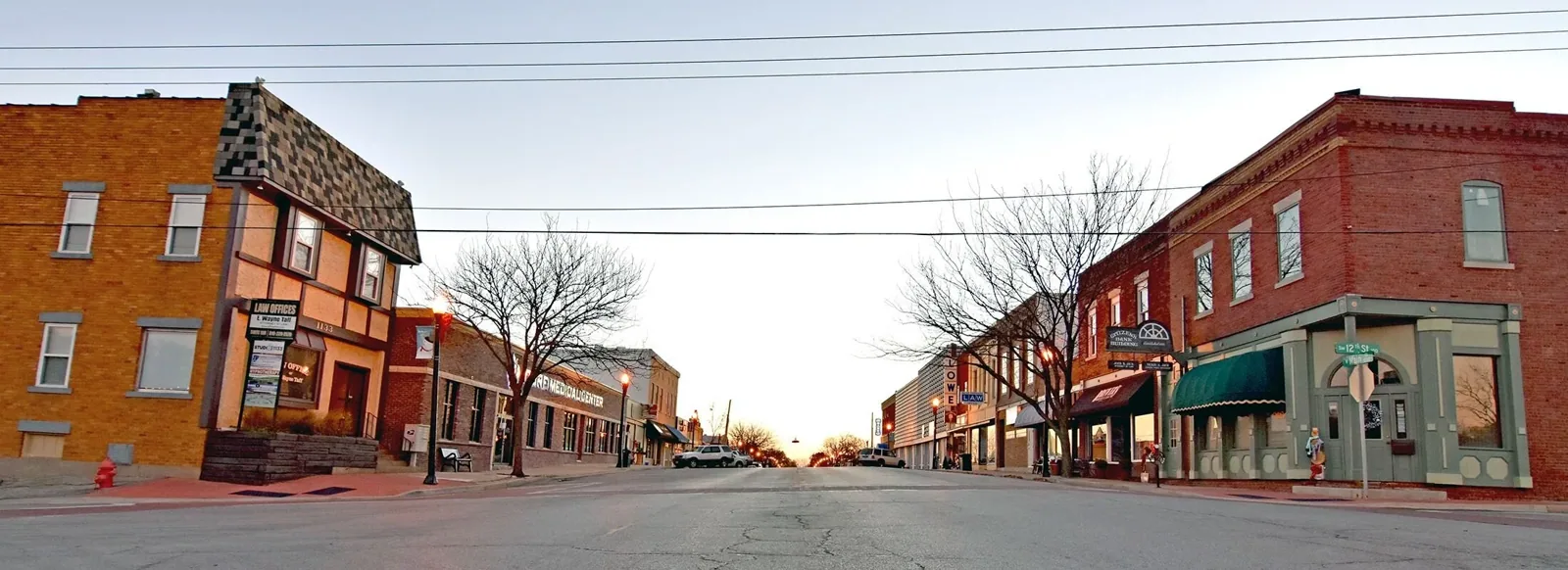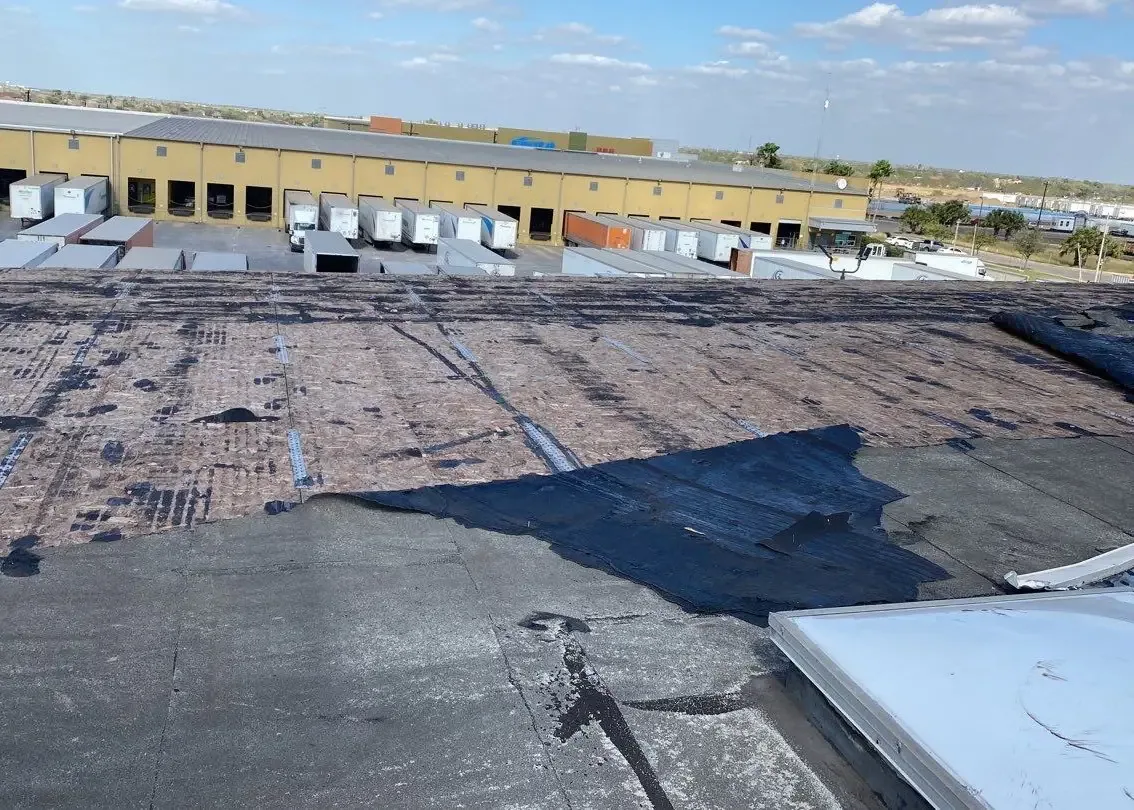

I-70, US 40, Missouri Route 7 and Adams Dairy Parkway carry the trucks, crews and customers that decide how a commercial roof job in Blue Springs, MO is staged, and a hospital, a manufacturer and a retailer each ask for a different first move. Blue Springs is a large suburb east of Kansas City in Jackson County, and the city's 2022 financial report listed St. Mary's Hospital of Blue Springs, Faurecia Interiors Systems, Walmart and Fike Corporation among its employers. We repair, replace, recover, coat and maintain low-slope and metal roofs in that mix, beginning with tenant notice, access and the dry-in point.
The first walk decides the staging footprint and the order of sections.
The main routes through the city carry trucks, and a roofing job is also a trucking job. Insulation, membrane and tear-off debris all move through the same entrances that tenants and customers use. We map the approach from the interchange or arterial, the turning room at the building and the spot where the hoist can stand without blocking a loading door.
Where a building fronts Adams Dairy Parkway or another busy road, staging often goes at the side or rear, and deliveries are timed for early hours. A shared lot adds neighbors to the plan, so the property manager coordinates days when part of the lot is closed. The tenant notice names those days and the contact on site.
Debris handling is the other half of access. A tear-off produces old membrane, wet insulation and fasteners in quantity, and it has to leave the roof by chute or hoist into a container that is covered at night. Magnets sweep the lot and the grass edges at the end of each day, so a tire in the parking area or a delivery lane is never the first sign that a roofing crew was there.
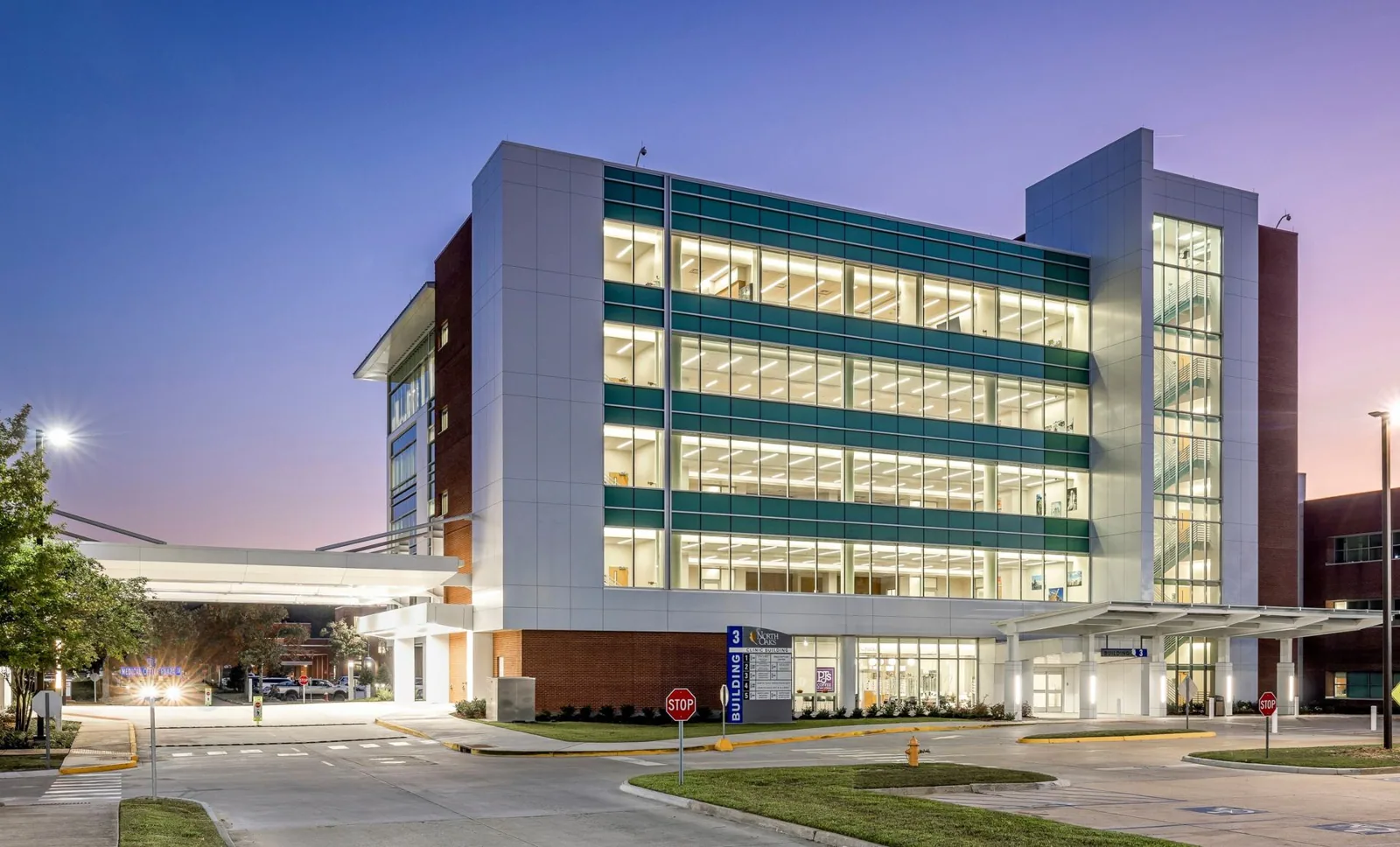
St. Mary's Hospital of Blue Springs is among the city's larger employers, and roof work on healthcare buildings is governed by air intakes, noise and access. The first task is to mark each intake on the roof drawing, along with the exhaust points and the routes the engineering staff use to reach equipment. Cold-applied or mechanically attached systems are favored where open flame or odors would reach patient areas.
The facility manager sets the windows for loud work, and the crew keeps to them. Debris leaves in covered containers, and the laydown area is controlled. A smaller medical office roof follows the same pattern at a lighter scale, with noise and access timed around clinic hours and appointment schedules.
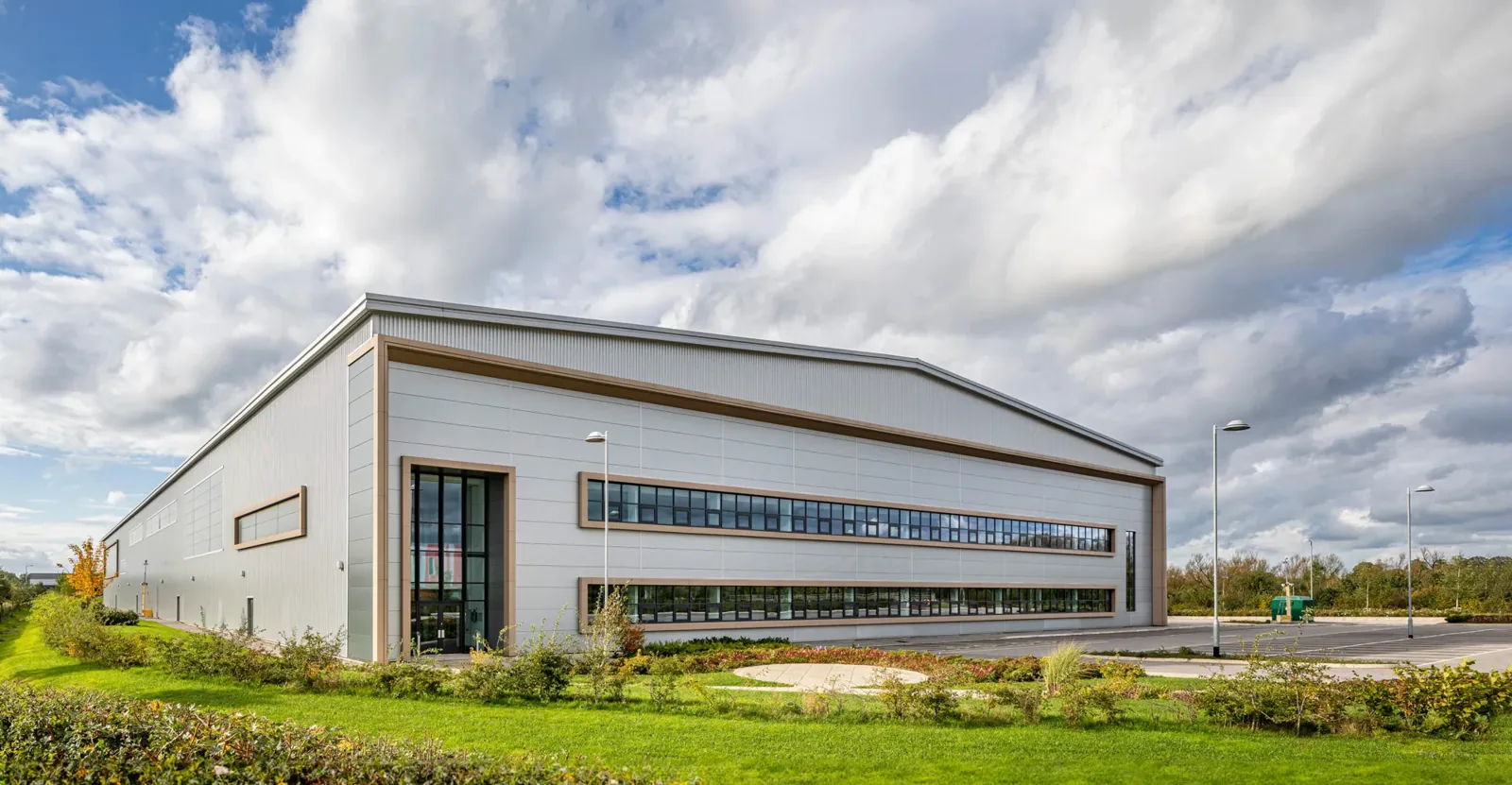
Faurecia Interiors Systems and Fike Corporation appear in the city's report, and a manufacturing building raises certain roofing questions. Exhaust, make-up air and process vents put many penetrations on the roof, and shifts limit when noisy work can occur. A plant's safety rules, including badging and equipment lockout, apply to the roof crew as well.
The survey records every unit and discharge point, and the membrane is chosen with the exposure in mind. Phases are sized so no section is open overnight. A flex industrial roof or a plant roof both benefit from a repair list and condition report written before any scope is priced, so the manager sees the whole picture first.
Wet insulation is the item that moves cost the most. A moisture survey and core cuts show how much of the roof has taken water, and a recover over dry insulation avoids the tear-off that a wet roof needs. Where part of the roof is wet, the plan removes only those areas, caps the rest and keeps the building dry during the work.
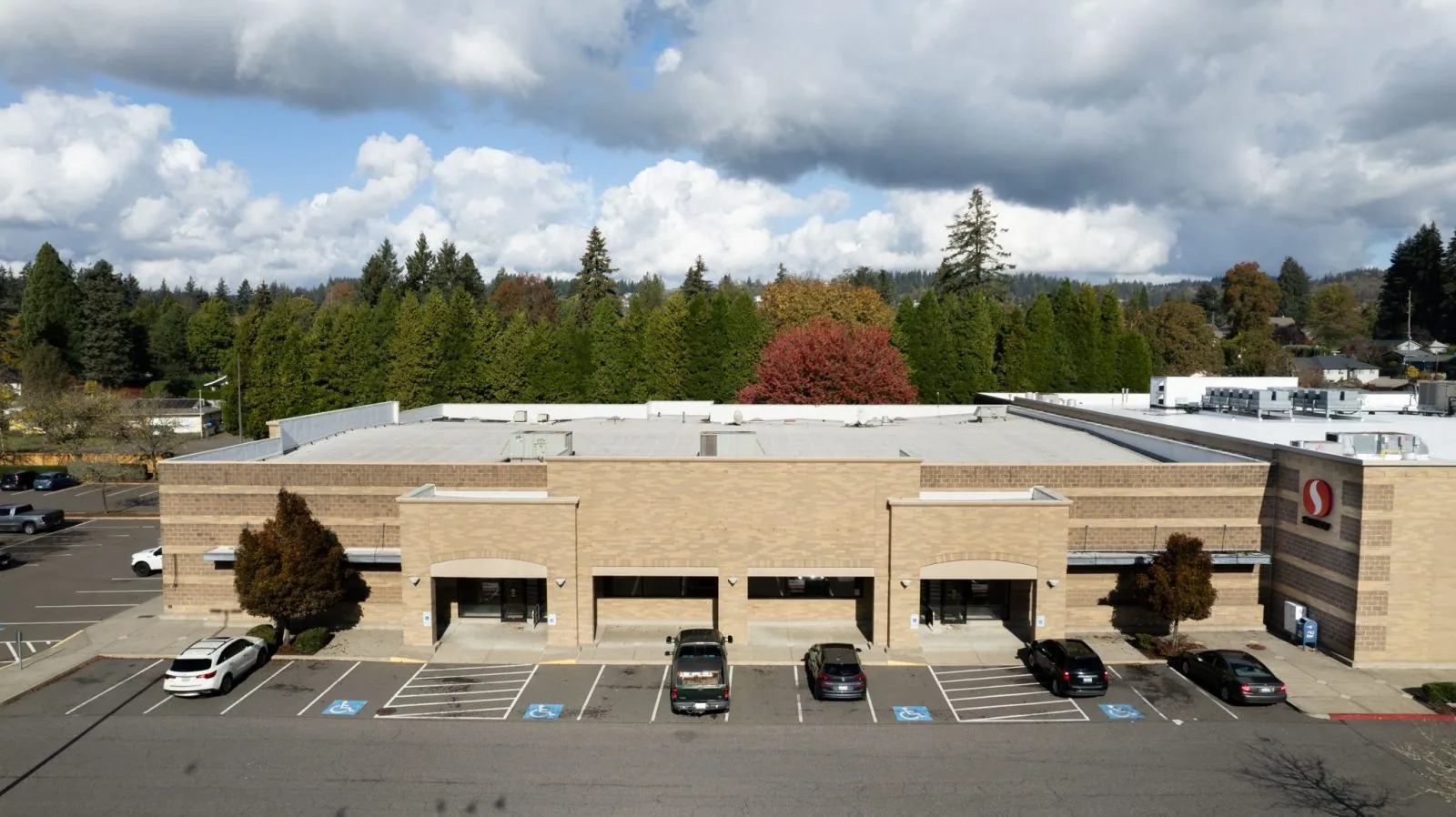
Walmart is one of the employers in the city's 2022 report, and a retail roof raises its own questions. Customers use the frontage all day, so entries, parking and fire lanes stay open while the crew works above. On a large store we count the rooftop units first, and every curb and flashing is checked on the survey.
Receiving doors matter as much as customer doors. The plan sequences the work so that delivery trucks can still back in at the hours the store needs, and protected walkways separate crew routes from public ones. On a big-box roof, the work is phased across the roof so that one section is dry before the next opens.
Nearby Lee's Summit sees about 38 inches of precipitation yearly, with winter highs near 39F, summer highs near 88F and records from -25F to 108F. Those swings pull on seams, flashings and sealants, and spring storms follow.
On April 27, 2024, the National Weather Service Pleasant Hill office warned Lee's Summit of 60 mph gusts, penny-size hail and damage to roofs. We use warnings like that as a calendar marker: seam and flashing repairs in March, weather hold rules in spring, and a walk after any storm. A storm damage roof repair visit records bruising and split seams with dated photographs for the owner's file.
Preventive visits between storms take little time. Drains are cleared, loose sealant is replaced, cracked pipe boots are swapped and fasteners that have backed out are reset. Each item is photographed and listed, so the next visit starts from a known condition and a manager can tell whether the roof is holding steady or slipping.
Each job ends with a turnover package: the roof drawing with phases marked, product data, dated photographs and a list for the next walk. Owners with buildings in Blue Springs and Lee's Summit can hold both sets of records in one format, and a plan for Grandview follows the same structure.
That consistency supports capital planning, insurance conversations and sales, since a lender or buyer can read the roof's condition from the file. A short dated note after each preventive visit keeps the file honest about what changed.
We plan the approach from the nearest interchange, check turning room for trucks and place the hoist at the side or rear. Deliveries arrive early, and any lane closure is arranged with the property manager and written into the tenant notice.
One that avoids open flame and strong odors, such as a mechanically attached or cold-applied system. Intakes are marked on the roof drawing, and the facility manager can close or cover them during the loudest or smokiest steps.
Usually yes, with work placed in agreed hours, interior areas protected and outages scheduled with maintenance staff. Phases stay small enough to dry in each day, and emergency response is available if a section opens during a storm.
Drains and scuppers, seams, flashing laps, sealant at units and the edge metal. Each finding is photographed and ranked; small items are fixed during the visit and the rest go on a dated repair list.
Each building gets its own survey and repair list, but the format and priority scale are shared. The manager approves work across both in one pass, and the calendar can group spring checks and stagger summer replacements.
Share the building addresses, tenant or shift hours and any open leak reports. We will walk the roofs with the property manager and return a written sequence plan before any scope is priced.
Request a Roof Assessment