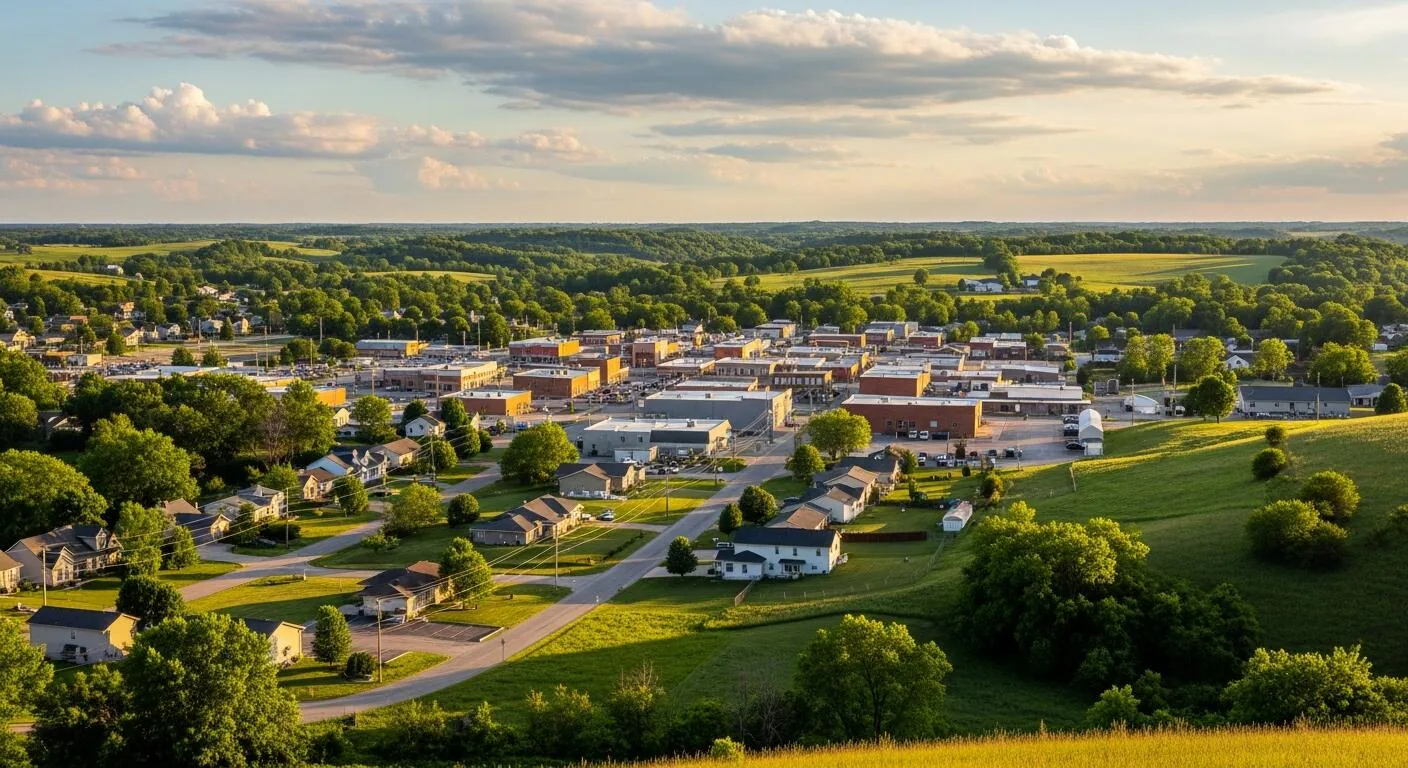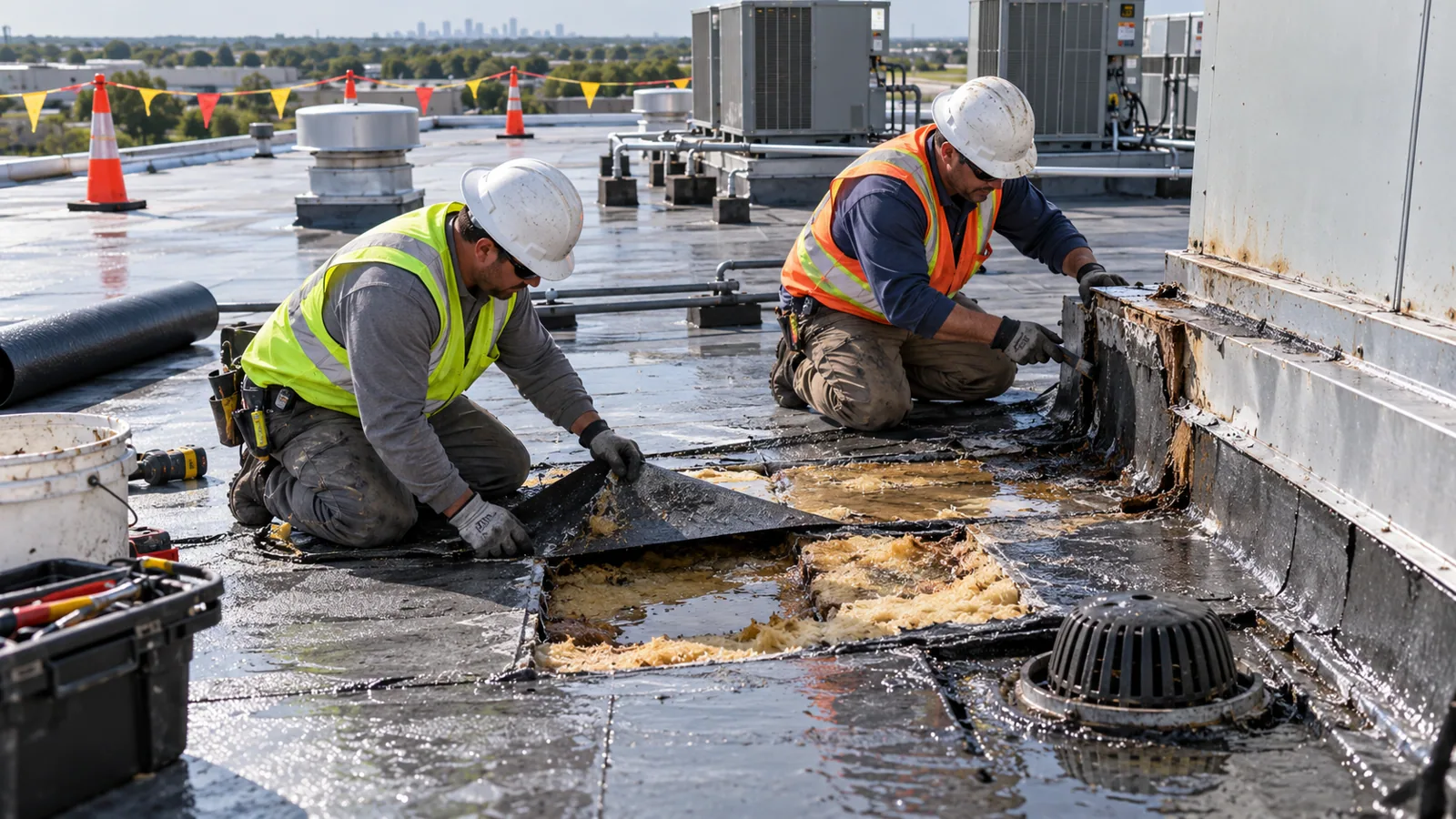

Grain Valley, MO grew from 5,160 residents in 2000 to 12,854 in 2010 and 15,627 in 2020, and a manager with several buildings in a place that has grown that fast may hold roofs from different years under different warranties. The first step is to learn which is which. We start with a baseline walk of each roof, collect whatever warranty and repair papers exist, and write down the order in which the buildings should be worked. Tenant notices and truck routes follow from that order.
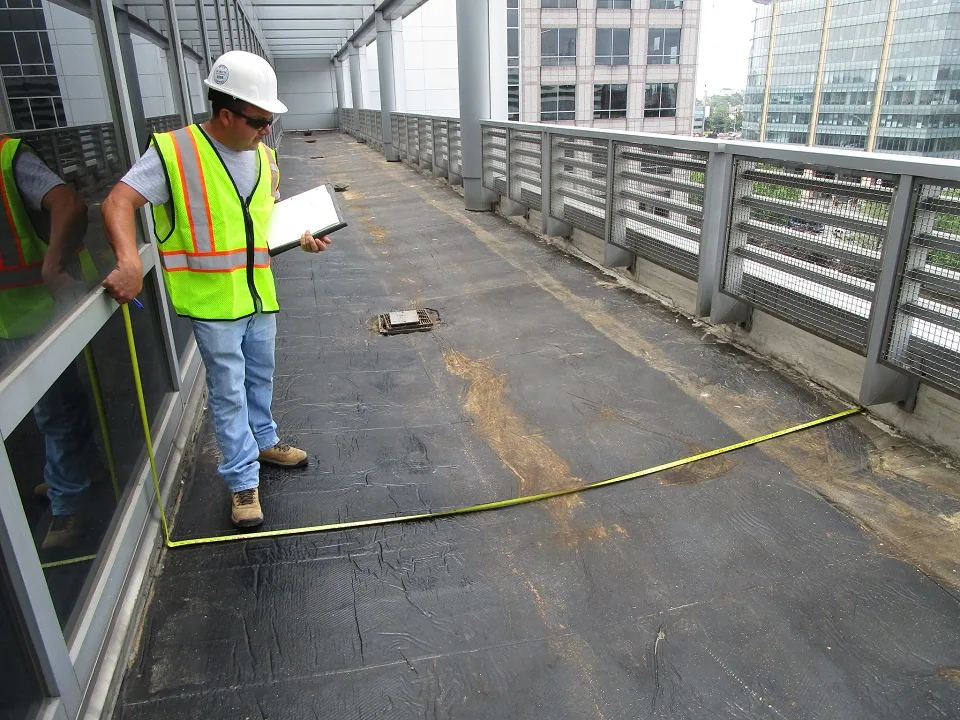
A baseline walk gives every roof the same set of questions. Where does water leave the roof? Which seams and flashings show wear? How many patches are there, and are they clustered? Which rooftop unit curbs have sealant that has aged out? Answers go onto a drawing with photographs, so the manager can compare two buildings by reading two pages.
The membrane, the fastener pattern and the layers found at a core cut tell us what is on a roof, and its age follows from that. Where the history is unclear, a commercial roof inspection establishes the starting record, and later visits are measured against it.
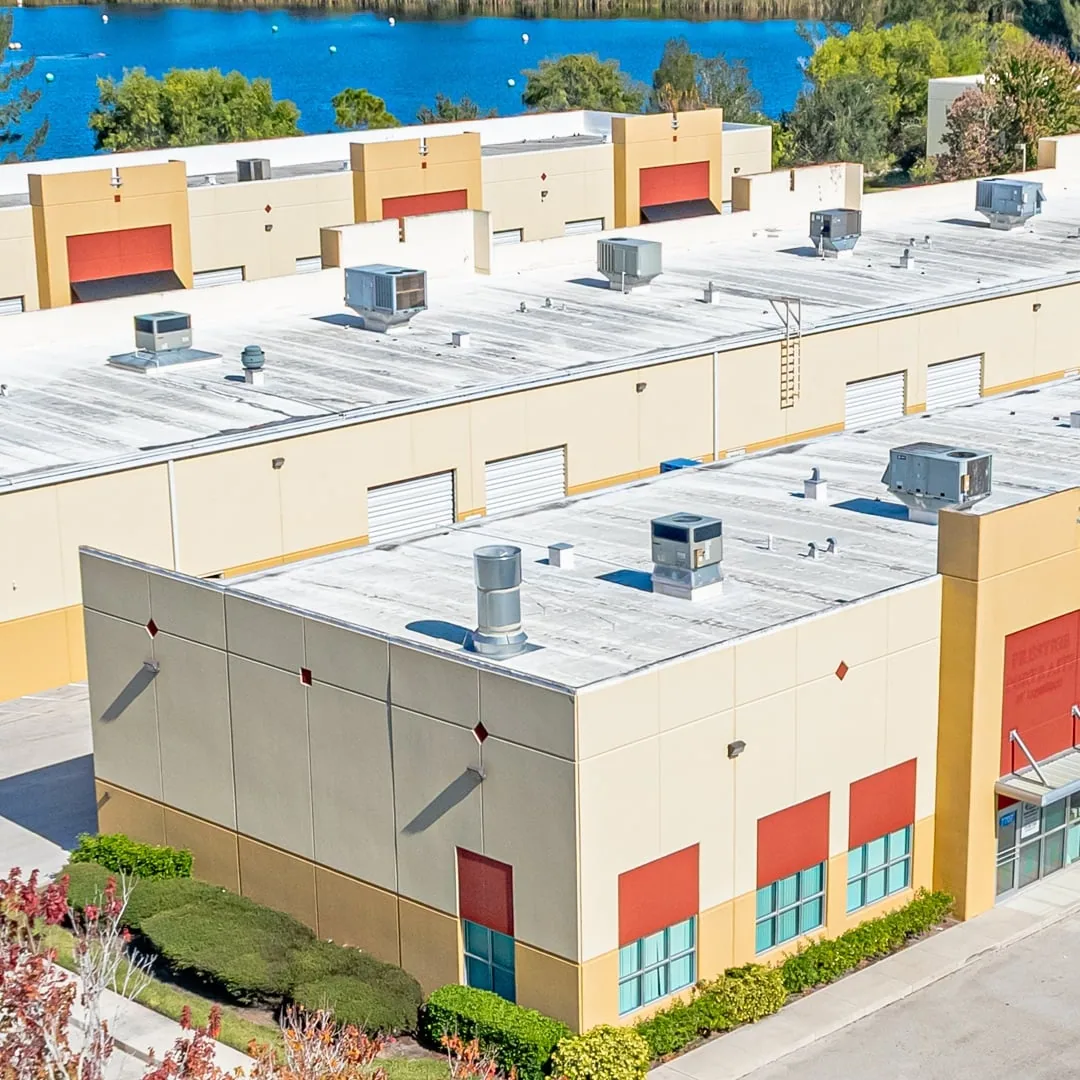
Rooftop units get their own page in the baseline. We note the curb height, the condition of the flashing, any condensate line that drips onto the membrane and the path technicians walk. A service route worn into the surface tells us where to lay walk pads. Small items found at this stage cost little to fix, and they keep a repair visit later from turning into a wet-insulation job.
Grain Valley lies about 23 miles east of downtown Kansas City, so material trucks and crews travel a known distance before they reach the roof. That distance fixes the first delivery time and the last safe hour to leave a section open. We set both with the manager before the date is confirmed.
Staging comes next. For each address we mark the hoist position, the roll-off container and the path a boom lift will take. Any receiving door in use at midday stays clear. The Owner-Operator Independent Drivers Association is based in the city, and any office or storefront in the city has the same need: an entrance for staff and visitors that the roof work never blocks.
Time of day matters on a small-town street. Morning deliveries clear before school buses and commuter traffic build, and a hoist is lifted before the lot fills. If a tenant opens at seven, the closed entrance and the staging lane are chalked or coned the afternoon before, and the foreman walks them with the manager at the start of the shift.
When one owner holds more than one building, the order of buildings matters as much as the order of sections. We usually start with the roof that has an active leak, then the roof with the shortest remaining warranty window, then the rest by condition. Each building gets its own phase plan, and the crew moves between addresses without leaving a roof open.
The plan lists the days at each address, the tenant notice dates and the punch list review. A multi-site roof program keeps all of those dates on one calendar. The manager can then see that a repair in the first building does not collide with a tenant event in the second.
Within a building, sections run from the lowest drain upstream, so water already on the roof has a path out. Tie-ins are made at roof breaks, parapets or drainage lines, never across an open field. The foreman records the close of each section with a photograph, and the manager sees it the same evening. That habit makes disputes about what was done rare and short.
Rainfall and melt in Lee's Summit add up to about 38 inches a year, and an April 27, 2024 National Weather Service warning there called for roof damage from penny-size hail and 60 mph gusts. That storm calendar tells us how the spring plan for Grain Valley roofs should be written.
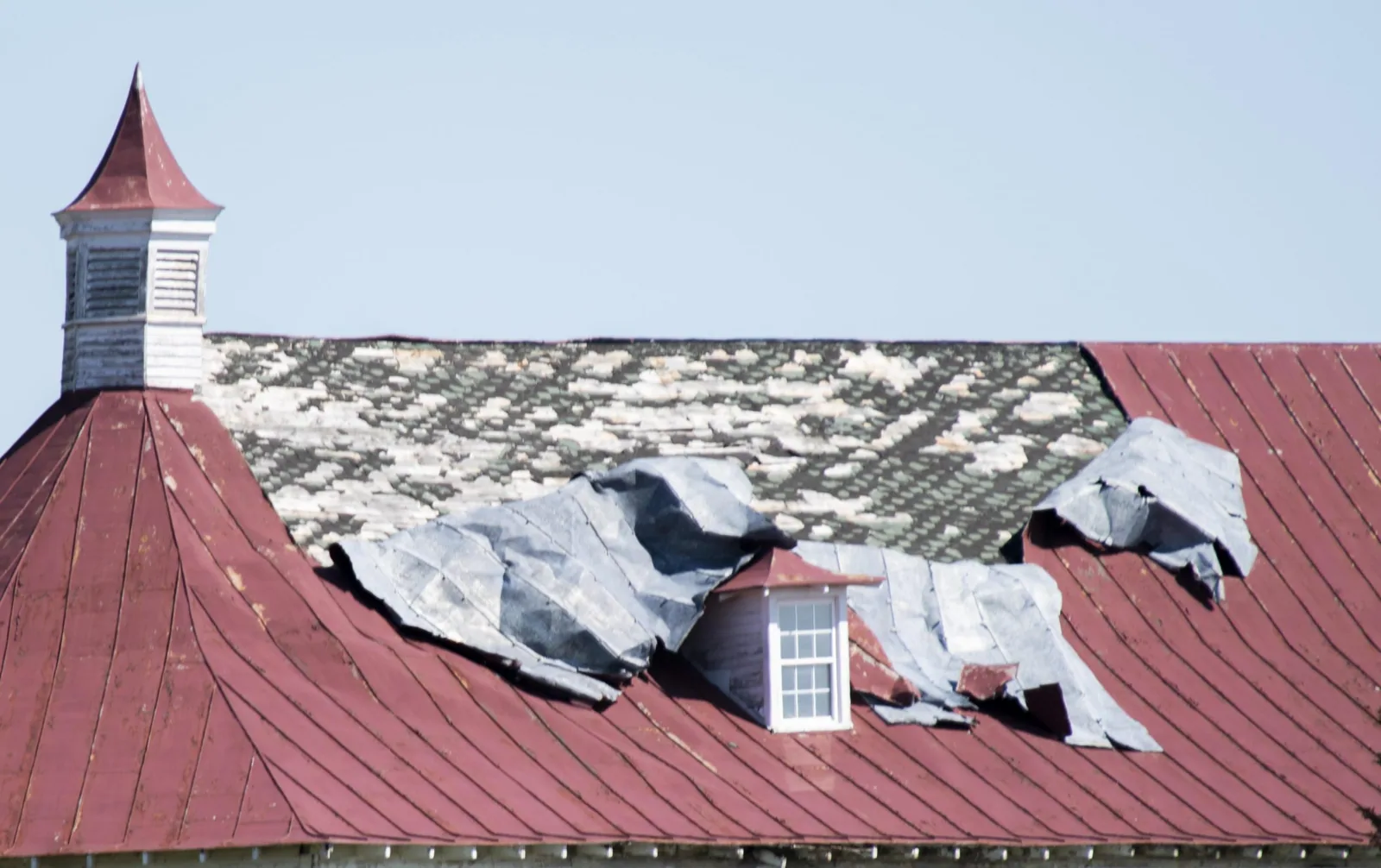
From March through early summer, each phase carries a hold rule. A forecast storm line stops the work at the next safe point, the open area is sealed and the crew leaves. After a storm, the first walk checks coping, edge metal and curb flashing. A wind damage finding is photographed and secured before the next rain.
Warranty paperwork often decides the repair method. A manufacturer may limit who can repair a membrane or which products may be used, so we ask for the warranty, the original proposal and any repair invoices before work starts. If none exist, we record that fact and proceed from the roof as found.
Dry-in discipline protects those warranties. A section opened in the morning is closed by evening with an approved tie-in, and temporary seals are labeled as temporary in the log. A warranty record kept in one place makes the next repair simpler, because the next crew can see what was done and with what.
Where a repair is small, the dry-in is simple: clean the area, dry it, set the patch or flashing and test. Where the work is larger, a temporary seal protects the open edge until the next shift. Either way, nothing leaves a roof in an unfinished state. If the forecast turns, the crew would rather close early than leave a tenant's ceiling exposed.
Turnover ends each phase with a package. It lists what was opened and closed, photographs of the layers found and a punch list for any return visit. It closes with the first checks for the next visit: the drains after a hard rain and the sealant after a hot spell.
A manager with buildings in Blue Springs or Oak Grove can file the same package format for every roof. Over a year or two, those packages become a record of how each roof has aged, and they inform the capital plan for the portfolio.
Each package is dated and numbered. A manager who needs to answer an insurer, a lender or a buyer can pull the right one in minutes. The photographs show layers and details as they were found, not as they are described, and that makes the record useful long after the crew has gone.
A baseline walk of every roof, with photographs and a ranked list of open items. It also notes which warranties and repair records exist.
Active leaks first, then roofs close to the end of a warranty, then the rest by condition. The ranking is written so the owner can change it.
Condition. Cores, seams, flashings and drainage tell us more than a building date. Age is recorded when the papers show it.
We note that in the report and work from the roof as found. Repairs are made with compatible materials and logged for the next owner.
Yes. Event dates go on the calendar with the phase plan, and noisy work moves to another day.
Send the building address list, tenant hours and any open leak reports. We will walk each roof with the property manager and offer a written sequence plan before any scope is priced.
Request a Roof Assessment