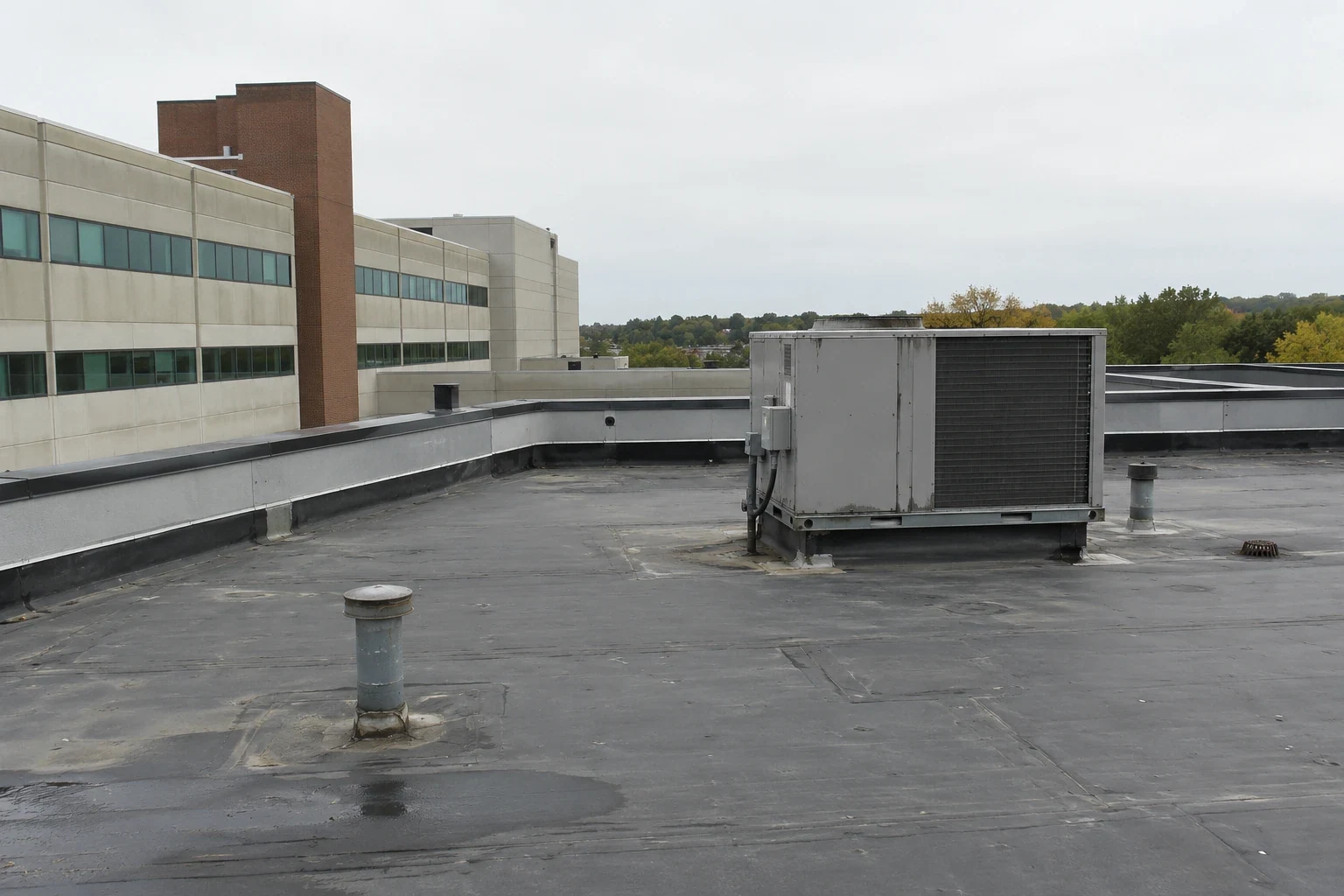

A hospital roof in Liberty, MO has a notice list that includes the emergency department, the facilities office and the people who keep air intakes clean. Liberty's employers in a 2016 city report include Liberty Public Schools, Liberty Hospital and Hallmark Cards, and the city is also home to a Hallmark distribution warehouse and the Ferrellgas operations headquarters. That mix of school, healthcare, warehouse and corporate buildings means each roof has its own clock: classes, patient care, dock appointments and office hours.
The first visit is a walk with the facilities lead and the property manager, which yields a marked drawing and a phase plan before pricing begins. Access and timing are agreed first because they cannot be fixed once the crew is on the roof.
A hospital roof is worked with the facilities team from the first meeting. Emergency entrances and ambulance routes are kept clear, and the staging footprint sits away from patient parking. Air intakes are covered or shut during adhesive or hot work, and noise limits are agreed for patient rooms and surgical areas.
Roof access is logged and escorted. The facilities contact receives a daily note on which section is open and which is closed, and the plan names a person on site who can stop work immediately if a hospital need arises.
Medical buildings also have equipment that cannot lose power or cooling. Rooftop units that serve operating rooms, labs or imaging suites are identified on the plan, and no work near them begins until the facilities lead agrees on a protection method and a shutdown window, if one is needed at all.
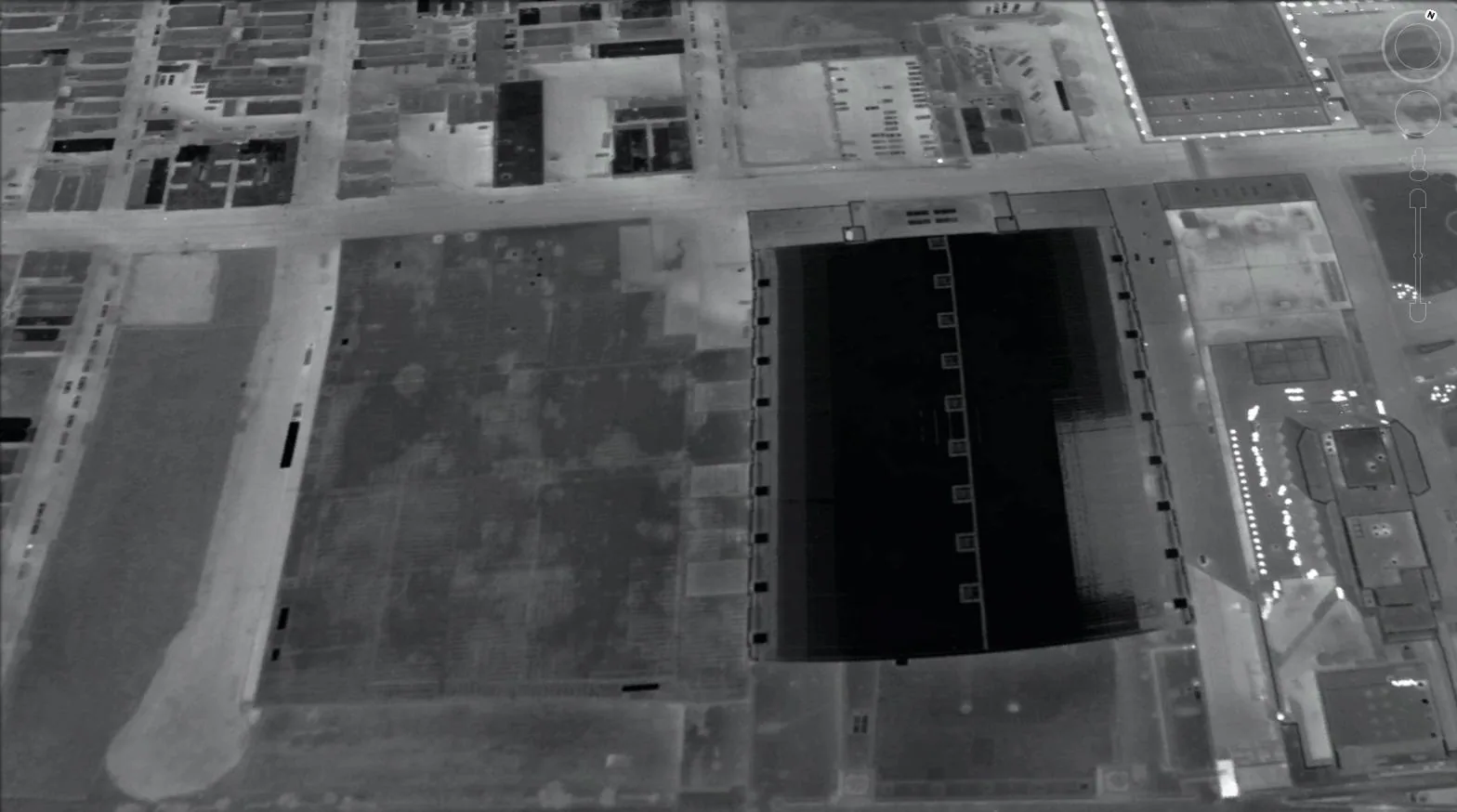
On a roof above patient or classroom space, a small leak matters more than usual. We inspect drains, seams and curb flashings with a tape and a camera, then use an infrared moisture survey to see whether water has entered the insulation. Findings are marked on the drawing with photographs and ranked by urgency.
Where a ceiling below shows staining, we trace the water path along the deck before deciding on the repair. A patch in the wrong place leaves the leak running and the room still at risk.
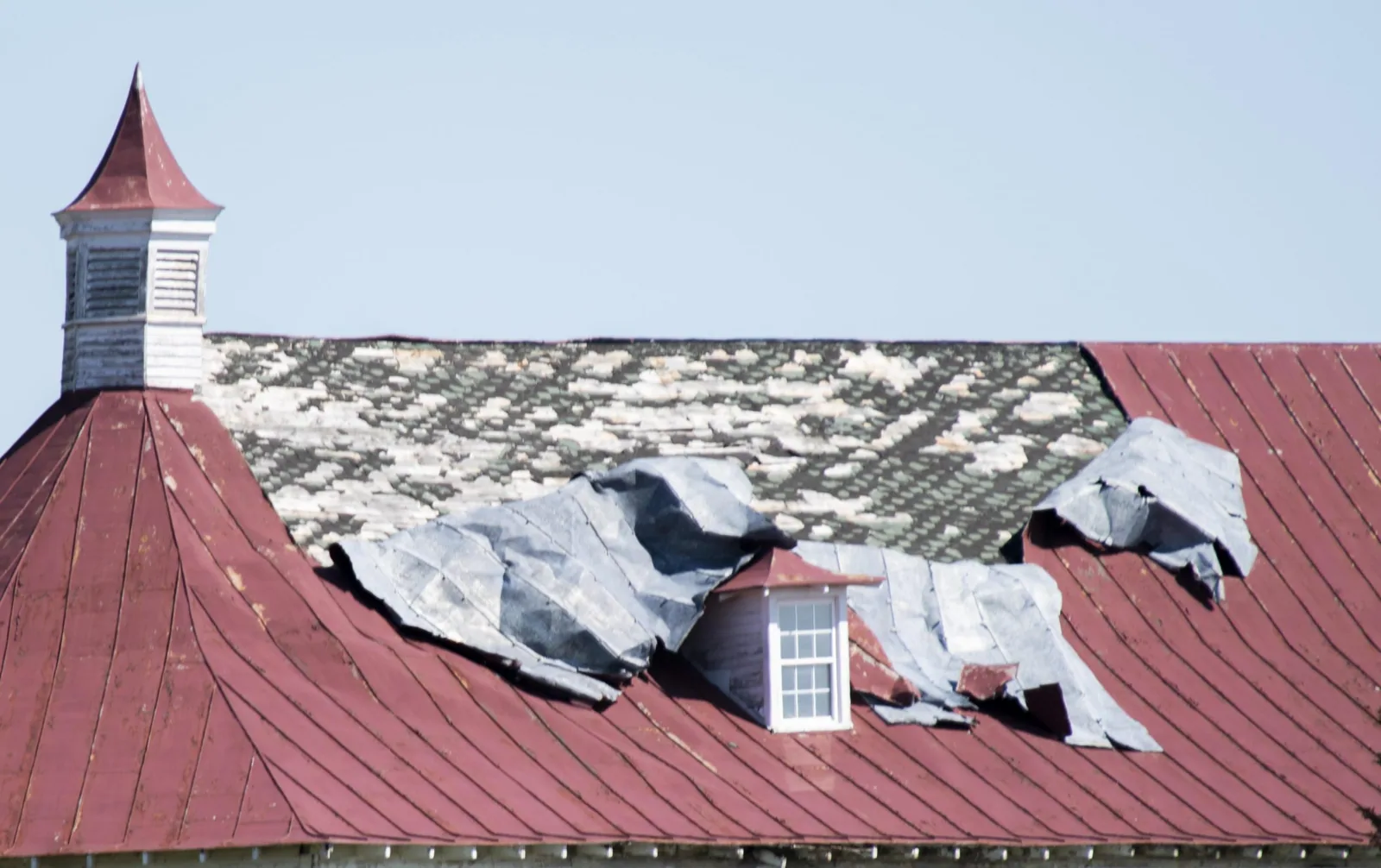
Age shows in the details before the field. Sealant at curbs cracks, metal flashing loosens and drain clamps corrode. We record each with a photograph and a location mark, and we rate it so the owner can see whether a small repair now avoids a large one later.
The written findings state remaining service life as a range and give the reasons for it, based on what the roof shows rather than its age alone.
Roof drains over occupied rooms are tested with water on the day of the walk, not assumed. A drain that backs up or drains slowly is noted with the time it took to clear, and the line below it is flagged for a facilities check.
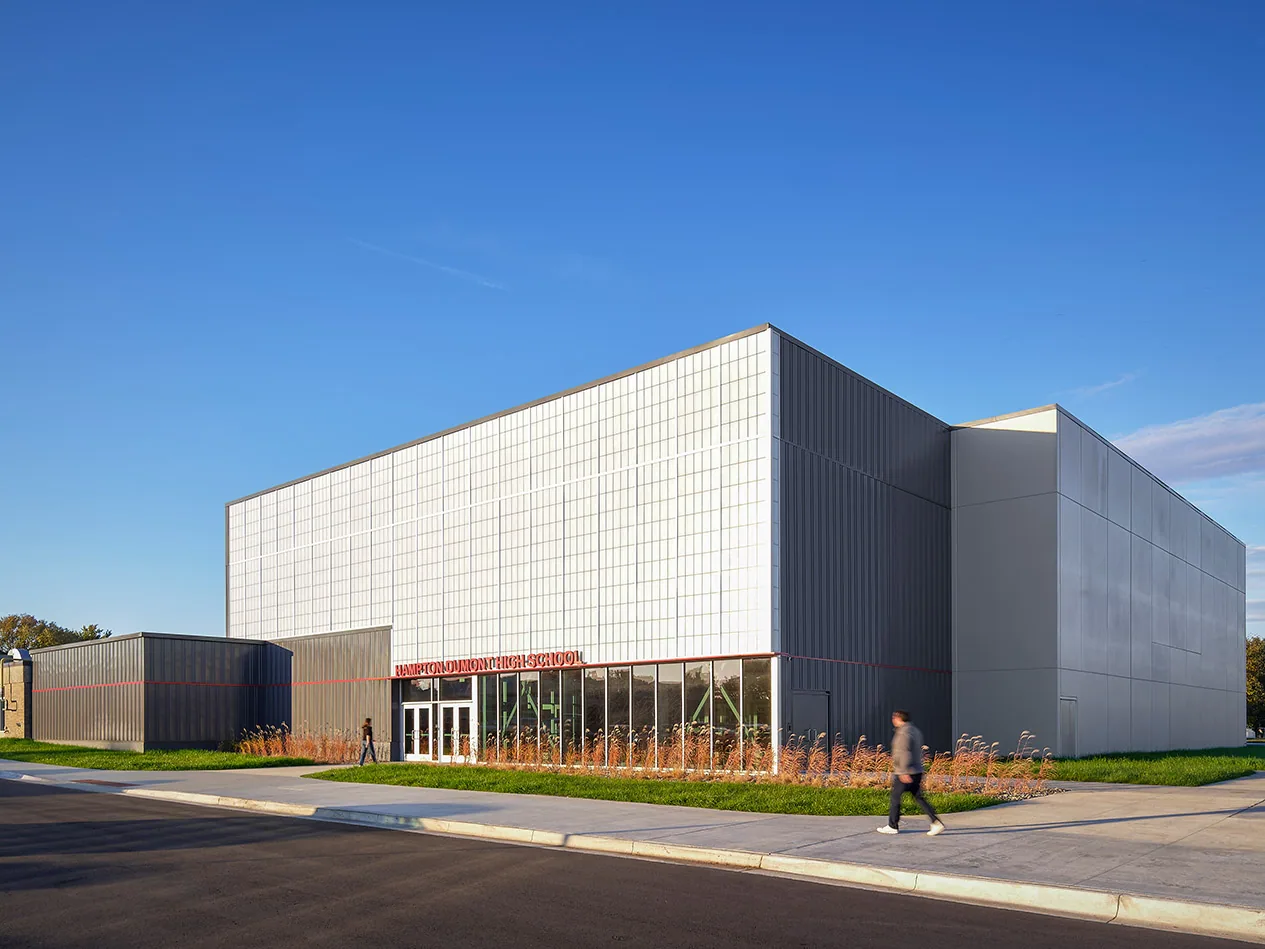
School roof work belongs in the summer break. The plan names a start date, the order of sections, a finish date and the weather holds that could move them. The staging footprint stays clear of bus lanes, playgrounds and pickup areas, and the work area is fenced.
A school roof is divided by wing or classroom block, with each section closed against weather by evening. The facilities lead reviews the punch list before the first day of classes.
Cost and timing follow the area, the deck condition, the number of penetrations and the work windows the building allows. On a school, the window is the summer. On a hospital, it is whatever hours the facilities team can spare. The plan states the drivers so the owner can see how a schedule change would move the price.
A distribution warehouse has dock appointments, and the roof crew's trucks and hoist must not interrupt them. The site drawing shows lanes, staging and fire access, and the notice names the person who can stop an overhead lift when a trailer pulls up to the door. A corporate headquarters has a different clock: meetings, calls and visitors. Noisy work is timed away from them, and roof hatches are logged.
For both, the dry-in point is set before the section is opened, and a weather hold stops work if rain is forecast.
The dry-in test is stricter on a school or hospital roof: materials for the whole section on site, intakes below protected and a clear forecast, or the section stays shut. If any piece is missing, the section waits, and the manager hears why.
Lee's Summit drew a thunderstorm warning on April 27, 2024 for 60 mph gusts, penny-size hail and damaged roofs. Spring leaves open roofs most exposed, so each plan names the person who watches the forecast and the person who calls the stop. Perimeter metal, coping and fasteners are checked first, and wind damage is secured and photographed.
After any hail, we count marks on test squares by slope and photograph vents and soft metal. The counts show the direction of the storm and separate fresh damage from older wear. They also give an insurer the numbers it asks for.
Mean daily highs in Lee's Summit are about 39F in January and 88F in July. Cold mornings slow the cure of adhesives and sealants, and hot afternoons soften some membranes underfoot. The plan lists temperature limits for each product and adjusts the day's work to them.
A school district, hospital or corporate owner needs records to file: phase photographs, a marked drawing, a punch list and any warranty documents. The roof capital plan uses those records to schedule future work. Owners with buildings in Gladstone or Kansas City, MO can use the same format for each.
The final walk is made with the facilities lead. Drains are checked for flow, temporary protection is removed and the punch list is reviewed. A short note names what the next walk should check and when.
For a district or a health system with many buildings, the packages are filed by building and roof section, which lets a board or a capital committee compare them. Roofs that leak now move ahead of roofs that are merely old.
By agreeing access, intake protection, noise limits and a stop-work contact with the facilities team before the first day. Emergency routes stay clear, and the daily note tells staff which section is open.
At the start of summer break, with the order of sections and the end date set down in the plan, storm holds included, and the punch list reviewed before classes resume.
A site drawing that shows lanes, staging and fire access, plus a named person who can stop an overhead lift. The crew's trucks use marked routes, and the hoist stands away from dock doors.
By tracing the path along the deck and confirming with an infrared survey and core samples. The repair boundary follows the wet insulation, not only the stain.
Addresses, operating hours, drawings and any leak reports. The written plan arrives before a price does.
Send the building address list, operating hours and any open leak reports. We will walk the roof with the property manager and offer a written sequence plan before any scope is priced.
Request a Roof Assessment