An infrared and core-cut moisture survey answers one question before a roofing budget is set: how much of the insulation under the membrane is wet. In Lee's Summit, MO the answer decides whether a building gets a patch, a section replacement, a recover or a full tear-off, and it often changes the number by a large margin. Water trapped in insulation does not announce itself on the surface, and it can spread for years before a stain shows on a ceiling. The survey is usually scheduled alongside a roof inspection, so the visible condition and the hidden condition are reported together.
The survey is a two-part process. A thermal scan finds the likely wet areas, and physical cores or meter readings confirm them. Together they produce a map the manager can hold against a quote.
Insulation holds heat when it is wet, loses most of its thermal value, adds weight and keeps the deck damp. Over time, the deck corrodes or rots, fasteners lose bite, and membrane adhesion fails from below. A roof with wet insulation cannot be fixed with a surface repair alone, because the water stays in the system and keeps finding new paths. Wet areas often trace back to ponding or a failed flashing, which is why the scan is read beside the drainage record and the leak history.
The cost of a wrong guess is high in both directions. Replacing a roof that is mostly dry wastes money, and recovering a roof that is wet seals the problem in. A survey puts numbers on the question before the scope is chosen. Lee's Summit's annual precipitation of about 38 inches and its freeze-thaw swing between a 39.0F January high and an 88.3F July high both work moisture further into small openings.
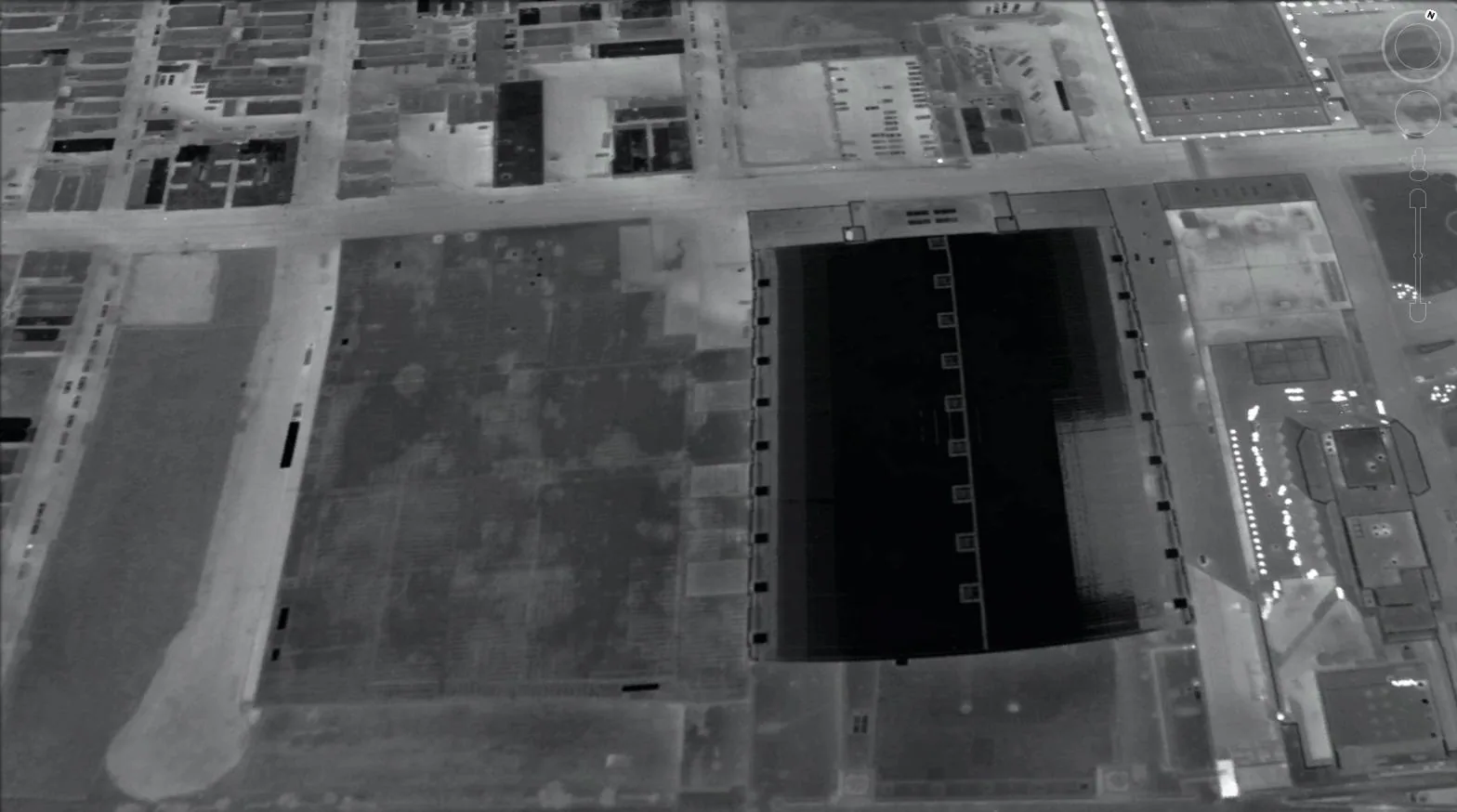
An infrared camera sees temperature, not water. After a warm, sunny day, wet insulation holds heat longer than dry insulation, so at dusk the wet areas show as warmer patches on the roof surface. The scan is done in a short window after sunset, when the roof is cooling and the wind is calm, and the cameras are handheld or flown as part of a drone roof inspection on large roofs.
Conditions affect results. Shade, reflective surfaces, ballast, recent rain and rooftop exhaust all change what the camera records, so we note them on the map. A scan taken with those factors in mind is a guide for where to cut, not a final answer. Roofs with gravel or pavers need the ballast moved or the scan adjusted, and white reflective membranes cool unevenly in wind, so the surveyor records the conditions of each pass beside the images.
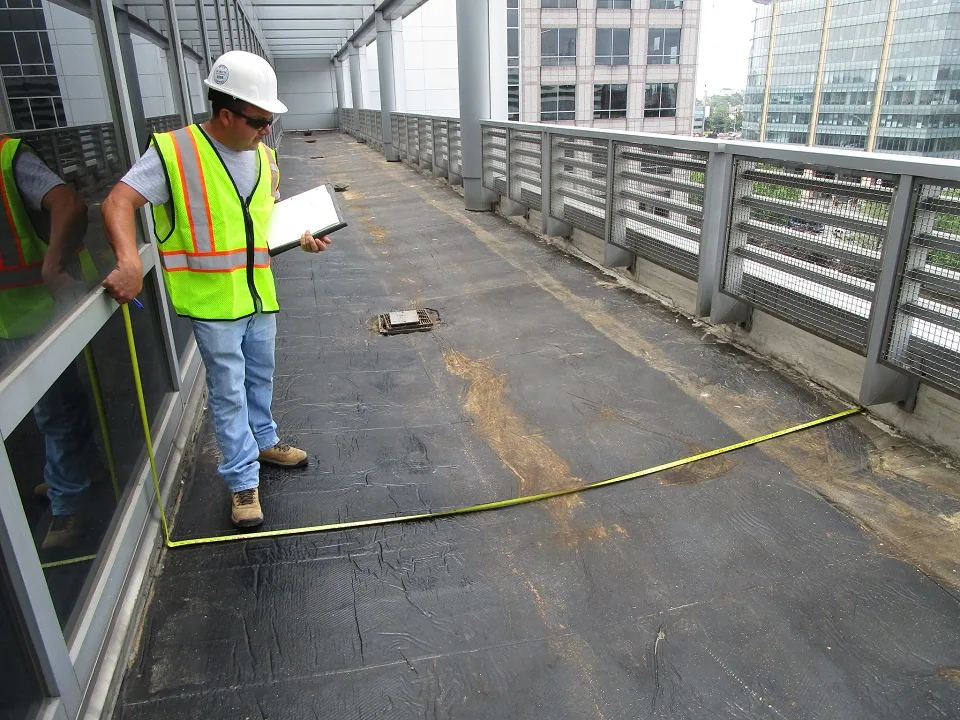
Cores confirm the scan. We cut small samples through the membrane and insulation at marked locations, check for moisture by feel and with a meter, and record the layers and thickness. Each core is photographed, labeled with its coordinates and patched with the same membrane, welded or adhered, before we leave the roof.
Meters can supplement the cores. Capacitance and nuclear meters read moisture content through the membrane at a grid of points, and they are useful on roofs where cores are limited by a warranty or by the roof's age. The results are plotted on the drawing so wet, damp and dry zones are visible at a glance.
The finished map shows wet, suspect and dry areas, core locations, and the layers found. Next to it, we report the type and thickness of the insulation, the condition of the deck where visible, and the fastening method. If the deck shows rust, staining or soft spots at a core, that location is flagged for deck repair in any replacement scope, with a unit allowance so the quantity can be adjusted without renegotiating the contract. The manager sees how much of the roof is wet and where it sits relative to drains, walls and equipment.
A small wet zone near a penetration points toward a localized repair, and a wide wet area across the field points toward replacement. Between those poles, the map often supports a partial tear-off of the wettest sections, with a recover over the remainder if the code and the substrate allow.
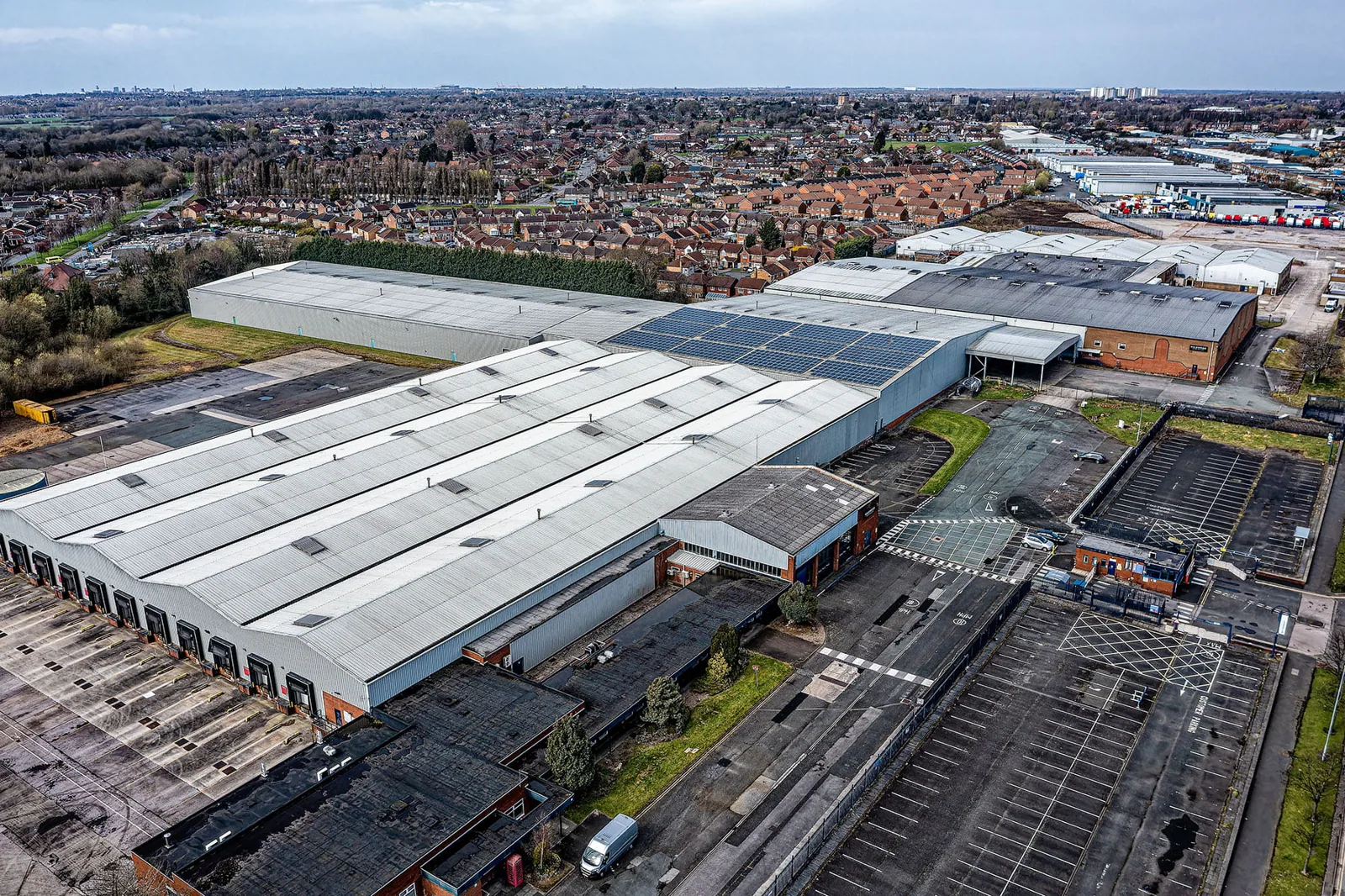
Surveys earn their cost on roofs where the next decision is expensive. A manager preparing a capital plan, a buyer reviewing a building, or an owner facing a large reroof near I-470 or MO 291 in Lee's Summit needs to know how much of the insulation is sound. Surveys also help after storms: the National Weather Service warned on April 27, 2024 of roof damage as a line of storms moved through Lee's Summit, and damaged membrane can let water into the system.
For acquisition work, the same data supports a due-diligence roof survey, giving a lender or buyer a defensible estimate of near-term roof spending.
The survey ends with a written report, a marked drawing and a list of recommended actions. Wet areas are quantified, and the manager can see what portion of the roof can stay and what must be removed. That information can be used to bid, to plan phasing around tenants, or to support a claim.
Surveys age. A roof that was dry two years ago can be wet today if an opening has been admitting water, so a survey is dated and the report states how long its results can be relied upon. Repeating a scan after repairs confirms that the work stopped the water, and the follow-up forms a baseline for the preventive maintenance schedule.
It pays off whenever the decision is between recover and tear-off, or when the roof is large enough that a wrong guess would be expensive. A survey is also valuable ahead of a sale or a capital plan, since it ties the roof's remaining life to measured conditions.
Daytime scans are less reliable because the sun heats the whole roof and hides the differences between wet and dry areas. The best results come at dusk on a clear day after the roof has been warmed. Overcast or windy conditions reduce accuracy, so we reschedule rather than force a flight or a walk.
Each core is a small round cut that is patched right away with matching membrane and sealed. Done properly, the patch is as watertight as the surrounding roof. We keep the number of cores to what is needed, and we avoid cutting in areas under warranty restrictions without notice.
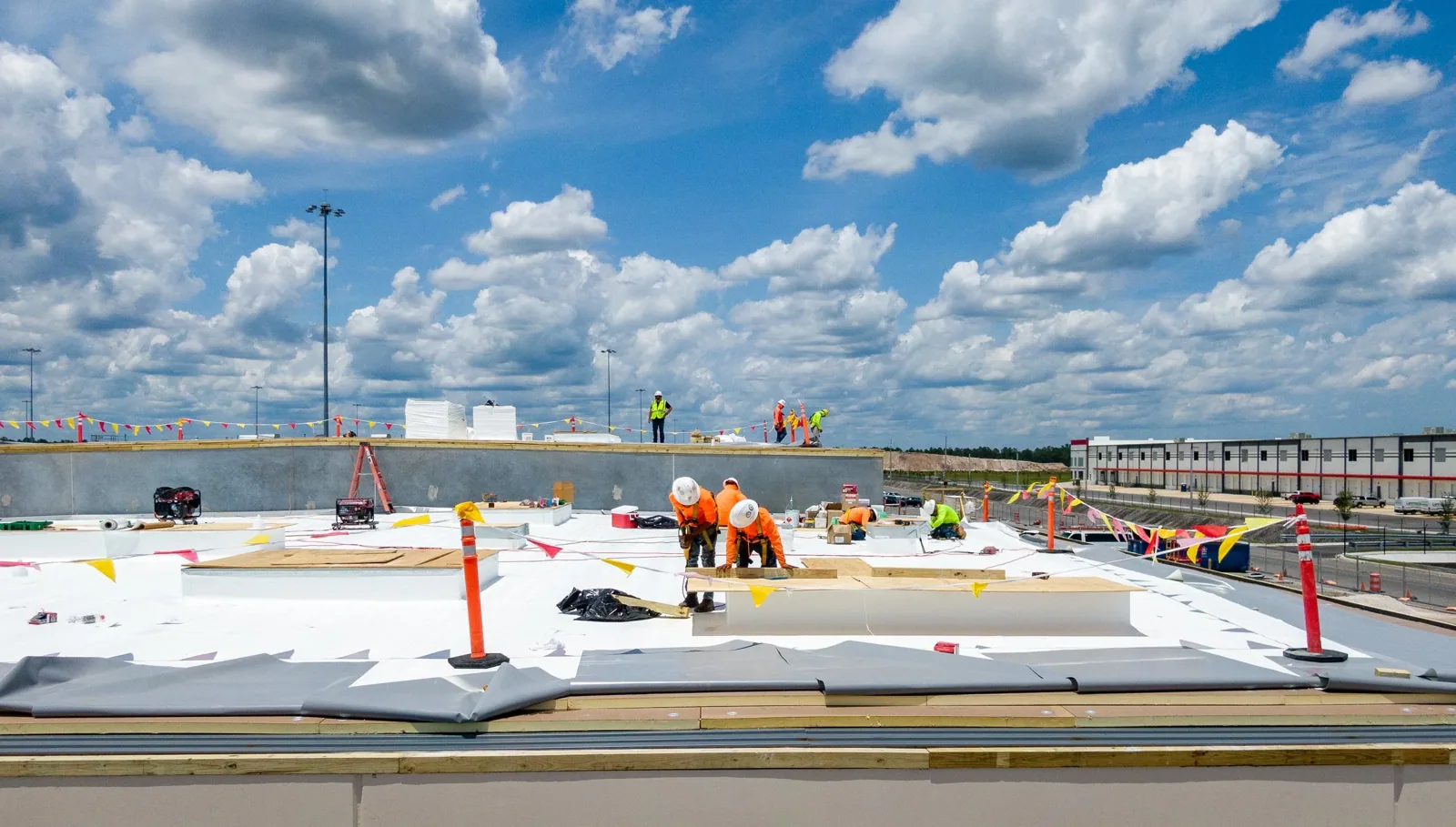
A localized section can be removed and replaced, and the membrane around it repaired. The map shows the boundary, and we mark it with extra cores to confirm. That outcome often saves the manager from a full replacement and moves the schedule from a capital project to a repair.
It can show where water has collected in the insulation, which usually leads toward the entry point, but the leak path itself is confirmed on the roof. We combine the thermal map with a visual walk and, where needed, a water test, so the repair addresses the source and not just the wet zone.
Share the building list, roof plans and any past repairs. We will schedule the scan and the cores, then deliver a marked drawing of wet and dry insulation.
Request a Roof Assessment