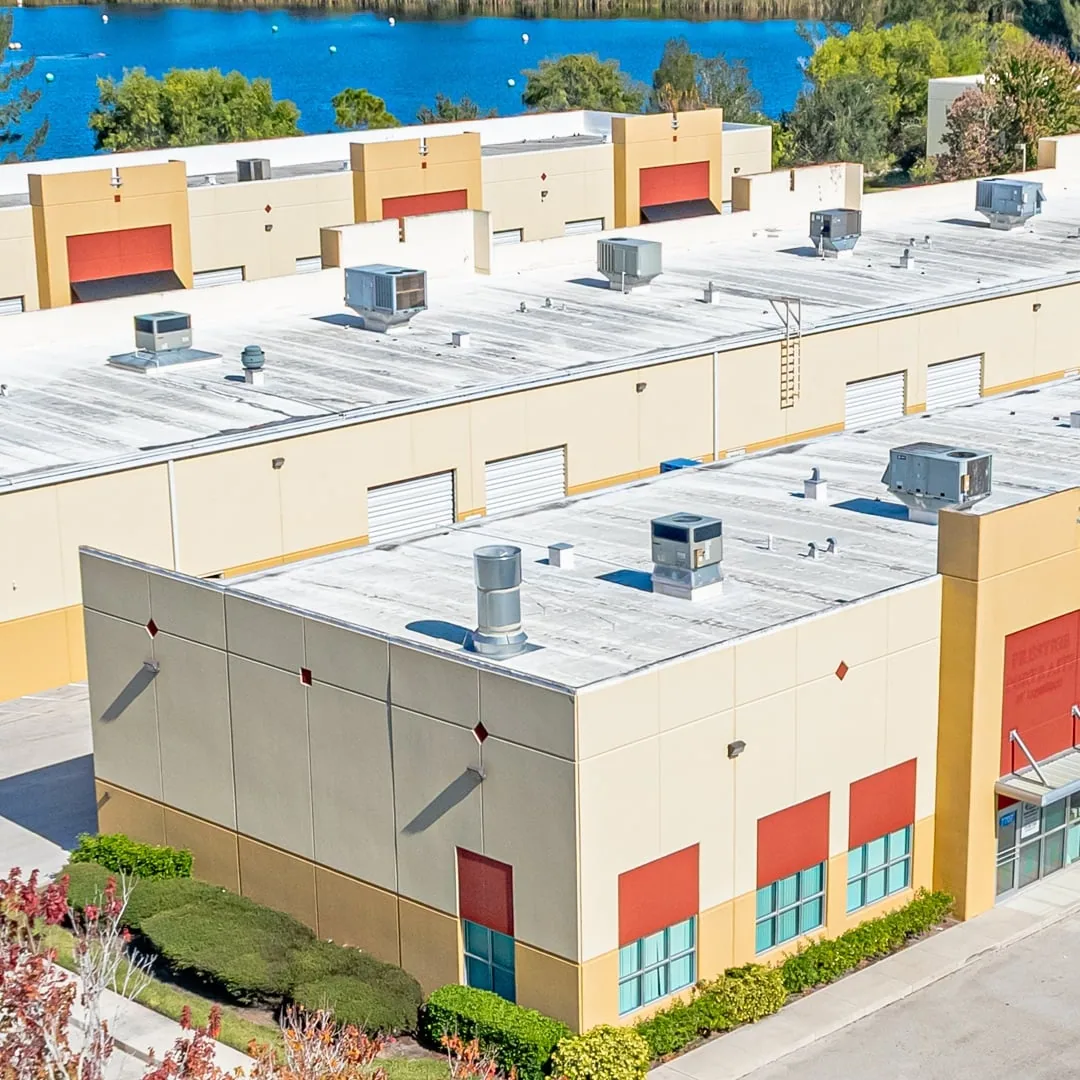

A property manager with buildings spread across Kansas City, MO lives with a long list of roofs, tenants and calendars at once. One building needs a leak chased before Monday, another has a lease expiring, and a third has a rooftop unit due for replacement. Our first step on any of them is the same: a day-one site walk, a drawing of what the roof shows and a written sequence of work, with the tenant notice and the truck route settled before the scope is priced.
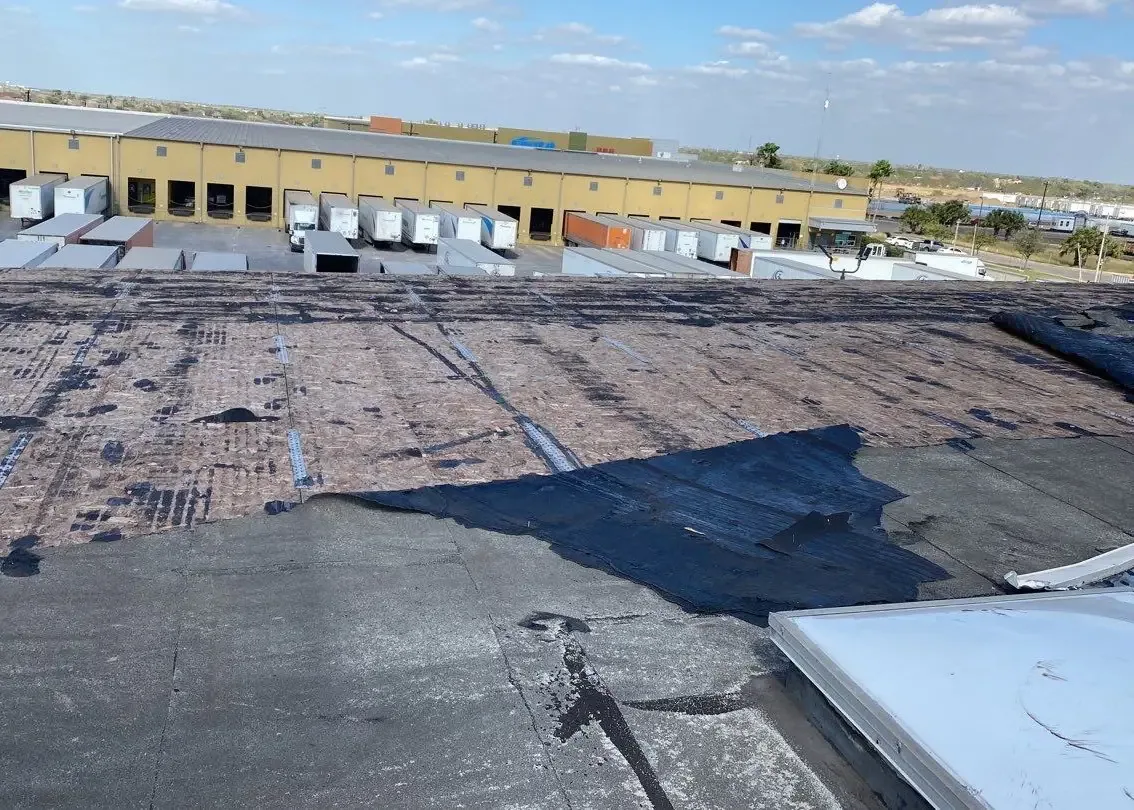
The roof condition decides the first move. A sound membrane with a bad curb calls for a repair, while wet insulation across a section calls for a larger decision, and the plan sets out the choices in order.
Kansas City has a metro area of more than two million people, so an owner can hold roofs in several parts of town. A shared format helps: each building gets a roof drawing, a photo sequence and a rating, and the set can be read side by side. The multi-site roof program turns that set into a calendar, with the roofs that leak now at the front and the roofs that can wait at the back.
Access differs from building to building. A downtown office tower, a suburban retail strip and a warehouse each have their own dock hours, security desks and hatch locations, and the plan records them one by one.
High-rise and mid-rise buildings add another layer. Roof access may run through a mechanical room, a freight lift or a locked stair, and the building engineer controls the key. We schedule the walk with the engineer, log each entry and exit, and agree where material can be staged on the roof without loading a slab edge or blocking an exit path.
Security desks and loading docks in the urban core can limit delivery hours. The plan sets truck arrival windows with the property manager and names the person who signs for each delivery.
Kansas City International Airport's 1991 to 2020 normals show 39.30 inches of precipitation and 18.2 inches of snow a year, far more snow than the 4.5 inches Lee's Summit records in a year. Snow melts into drains that may be partly frozen, and water backs up on the roof until the drain thaws. That ponding presses on seams and flashing, and a freeze at night tightens the damage.
We look at drains and scuppers first, then at the roof edge, where ice forms and where gutters tear away. A roof that has ponded after a thaw is photographed and measured. The snow and ice damage found is added to the plan.
Cold-weather inspection has its own limits. Frozen ground and ice on the membrane hide some defects, so the first walk after a thaw often shows more than a walk during a freeze. We note what could not be seen, schedule a return visit and avoid issuing a final rating on a roof that was under snow. Where a roof cannot be walked safely, a drone pass records the surface, edges and drains from above.
Kansas City's weather record includes the 1957 Ruskin Heights tornado and the 2019 Lawrence-Linwood tornado. A roof that has been hit by wind, or that sits in a region where wind is a known threat, deserves attention at its perimeter. We check the coping, edge metal, flashing and the fasteners that hold them, because wind begins at the edge and works inward.
When a storm has just passed, tornado damage repair starts with temporary closure: tarps, board-up and removal of debris. Each step is photographed, and permanent repair follows once the weather allows. A weather hold rule is written into the plan for spring work.
Who calls the hold matters. The plan names one person on our side and one on the owner's side, and each knows which forecast source decides.
On a full replacement, the sequence is the same in a small building or a large one. Notices go out. The staging area is set. The first section is opened, torn off, dried in and closed by evening. The next follows. At each phase boundary, a temporary tie-in seals the new work to the old, and the boundary is marked on the drawing.
The occupied-building reroofing plan lists dock hours, entrance closures and the walk-off sequence. A property manager can check it against the lease calendar before work starts.
Seasonal timing matters on a replacement. Adhesives, sealants and some membranes need a minimum temperature, and cold slows curing. We plan major tear-off for the milder part of the year when possible and keep a spring storm window in mind, so the schedule has room for weather holds. Planned work in a good season costs less than emergency work in a bad one, because crews can set the pace instead of reacting.
The 2002 ice storm is part of the city's record: hundreds of thousands of residents lost power, some for weeks. Ice adds weight to a roof and to anything attached to it, and falling limbs can puncture a membrane. After a major ice event, we inspect for punctures, crushed rooftop equipment and detached flashing, and we record them with photographs.
If the building is without heat, pipes and rooftop equipment can freeze, so the inspection includes the plumbing penetrations and the condensate lines. Emergency work is available at any hour, and the first visit is a closure.
Dry-in is the test of any plan. Before a section is opened, the crew has the membrane, insulation and fasteners on the roof, the tie-in materials ready and the weather checked. If any one is missing, the section stays closed. This habit protects tenants more than any promise could.
After a storm, an insurer asks what changed and a lender asks what remains. The turnover package answers both with dated photographs, the roof drawing, a list of items opened and closed, and a punch list. Insurance restoration teams can read it without a site visit. Owners with buildings in Independence or Hickman Mills use the same format there.
A short closing meeting with the manager reviews the punch list, confirms drains are clear and notes the first checks for the following spring.
Rank them by evidence: active leaks first, wet insulation second, aging membranes third. A walk of each roof produces the ranking, and the multi-site calendar spreads cost over several budget cycles.
More melt and more ice at the drains. The drain bowls, scuppers and roof edge are checked before winter and after the first long thaw, and ponding after a thaw is recorded for repair.
As soon as it is safe to reach the roof. Debris, displaced edge metal and open flashing let water in on the next rain, and temporary closure is faster than waiting for a full scope.
Usually. The plan phases the work so no section stays open overnight, entrances are protected and notices go out ahead. Sensitive areas can have extra protection below the deck.
Dated photographs, the storm date, a roof drawing with damage marked and an itemized scope that separates emergency work from permanent repair. The turnover package collects these in one place.
Send the building address list, tenant hours and any open leak reports. We will walk the roof with the property manager and offer a written sequence plan before any scope is priced.
Request a Roof Assessment