
Peculiar, MO sits beside I-49/US 71 and the BNSF Railway, and a roofing schedule there begins with the road and the rail line, not the roof. A truck leaving the interstate has to reach the building, find its staging lane and unload before the dock opens. A crew that plans for a stopped train or a slow ramp will still be on time. After the route is settled we write the tenant notice, name the closed entrance and only then decide what the roof condition lets us open first. That order keeps a bad morning from becoming a lost day.
Cass County is home to Peculiar, which had 5,621 residents in the 2020 census. A property with frontage near the interstate is usually easy to find and hard to stage, because trucks cannot idle on a ramp. We map the exact turn from the highway, the lane where the hoist will stand and the fire lane that has to stay clear. A roll-off container is placed where the hauler can reach it without backing across a customer lot.
Rail adds one more check. When the delivery path crosses tracks, the foreman allows time for a blocked crossing and names an alternate route in the plan. The manager gets that route in writing, along with the hours when deliveries will arrive and the hours when they will not.
On the first morning the foreman and the manager walk the lane together and agree the layout. If a tenant asks for a change, such as moving the container away from a window or shifting the hoist to the far corner, the change is made then, not after the first load arrives. Small adjustments on day one save hours later.
A first walk follows the path water takes. Drain bowls and scuppers show whether the roof sheds quickly. Seams and laps show how the membrane has handled temperature swings. Flashing at curbs, walls and pipe penetrations shows where the roof meets the building and where leaks usually start. Edge metal and coping show how the perimeter has held through wind.
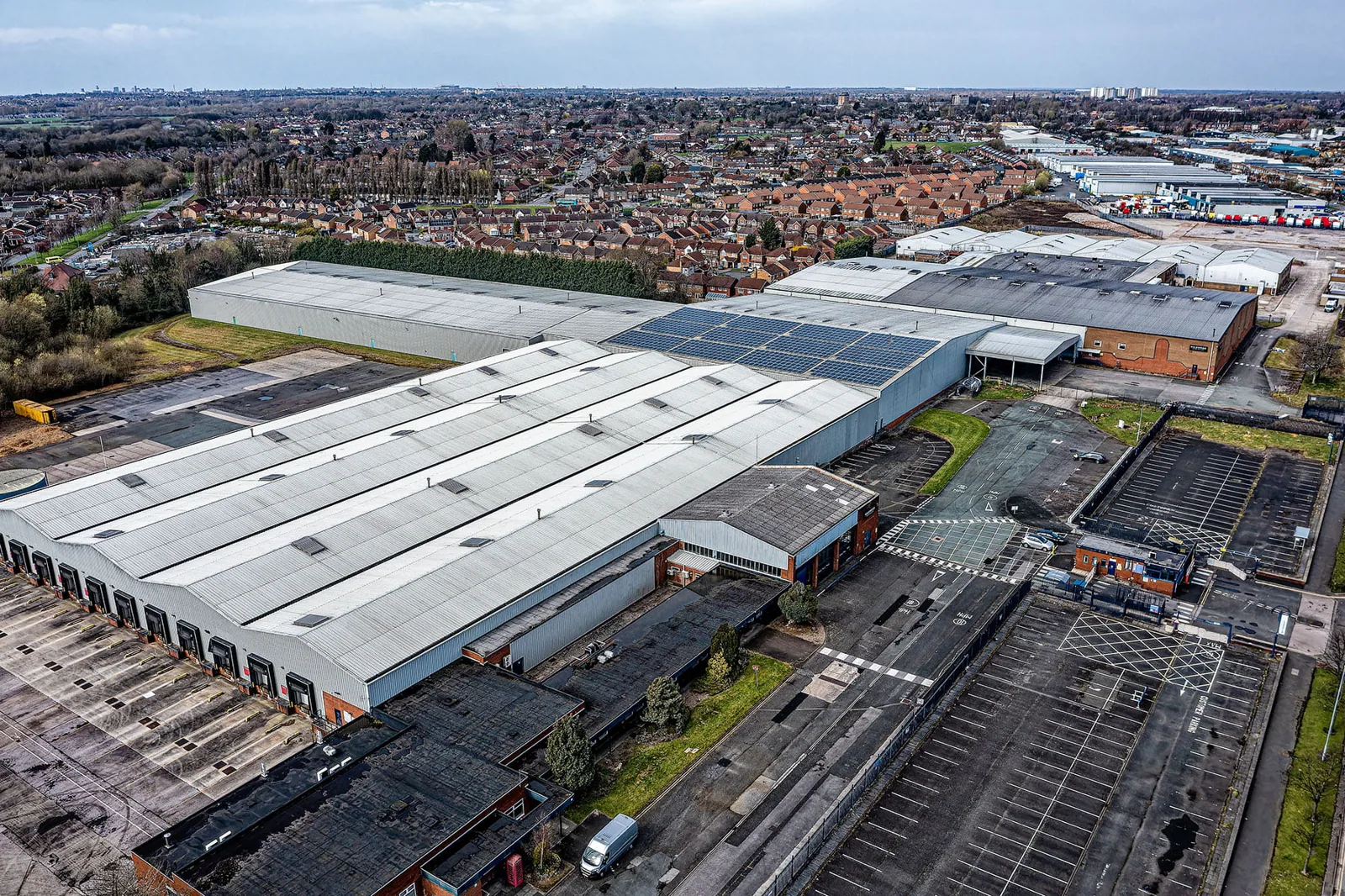
Photographs go on a drawing with a location mark beside each finding. Where an interior stain does not line up with an obvious defect, we trace the deck and, if the roof is large, bring in a drone roof inspection to see ponding patterns and discoloration from above. The goal is a repair boundary drawn from what the roof shows, not from where the ceiling happens to be wet.
Rooftop equipment is listed unit by unit. We note the curb height, the state of the flashing, any condensate line that drips on the membrane and the route technicians use. A worn path across the surface tells us where walk pads belong. These are small findings, but a leak at a curb can wet a suite below, and the fix is far cheaper before the insulation under the unit is wet.
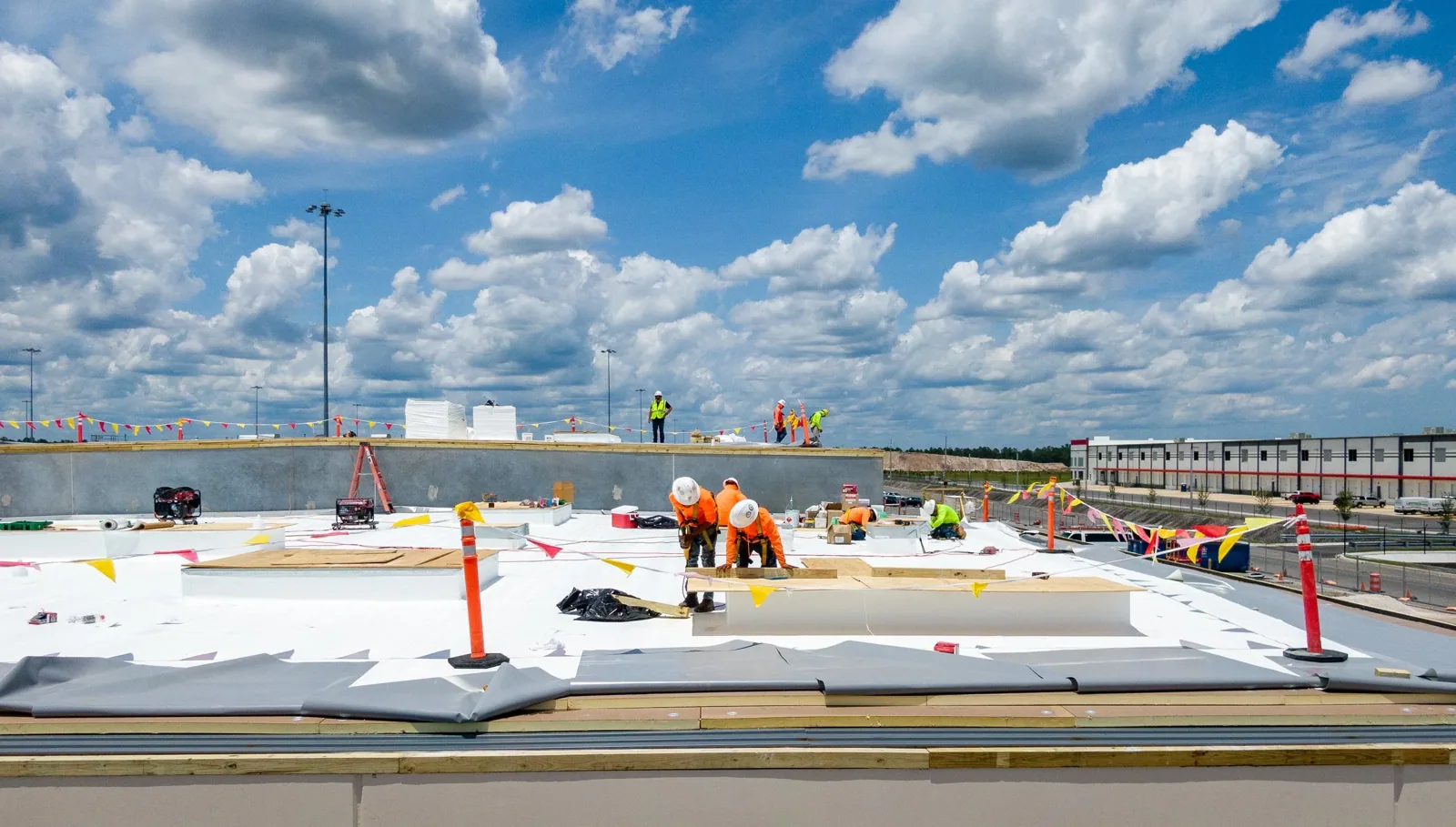
Each phase has a boundary marked on the roof drawing before work begins. Day one is the walk, the notice and the setup of staging. Day two opens the first section, which is closed against weather the same evening. The following days repeat that cycle, and every seam between sections is sealed before the crew leaves.
The written plan lists tenant notices, dock and entry hours, noise windows and the order in which areas are handed back. A manager can follow it like a calendar and answer a tenant's question without calling us. For a repair visit the plan is shorter, but it keeps the same pieces: notice, route, staging, dry-in and a short note when the crew leaves.
Hand-back is part of the sequence. As each section closes, the foreman checks drains, sweeps the area below the work zone and removes barricades only when the manager agrees. A tenant who was disrupted on Monday should see a clean entrance on Tuesday, and the notice says so.
Lee's Summit, nearby, gets about 38 inches of precipitation in a year, with a January mean high of 39F against 88F in July. The National Weather Service's April 27, 2024 warning there listed 60 mph gusts, penny-size hail and damage to roofs among the risks. That calendar shapes the plan for Peculiar roofs.
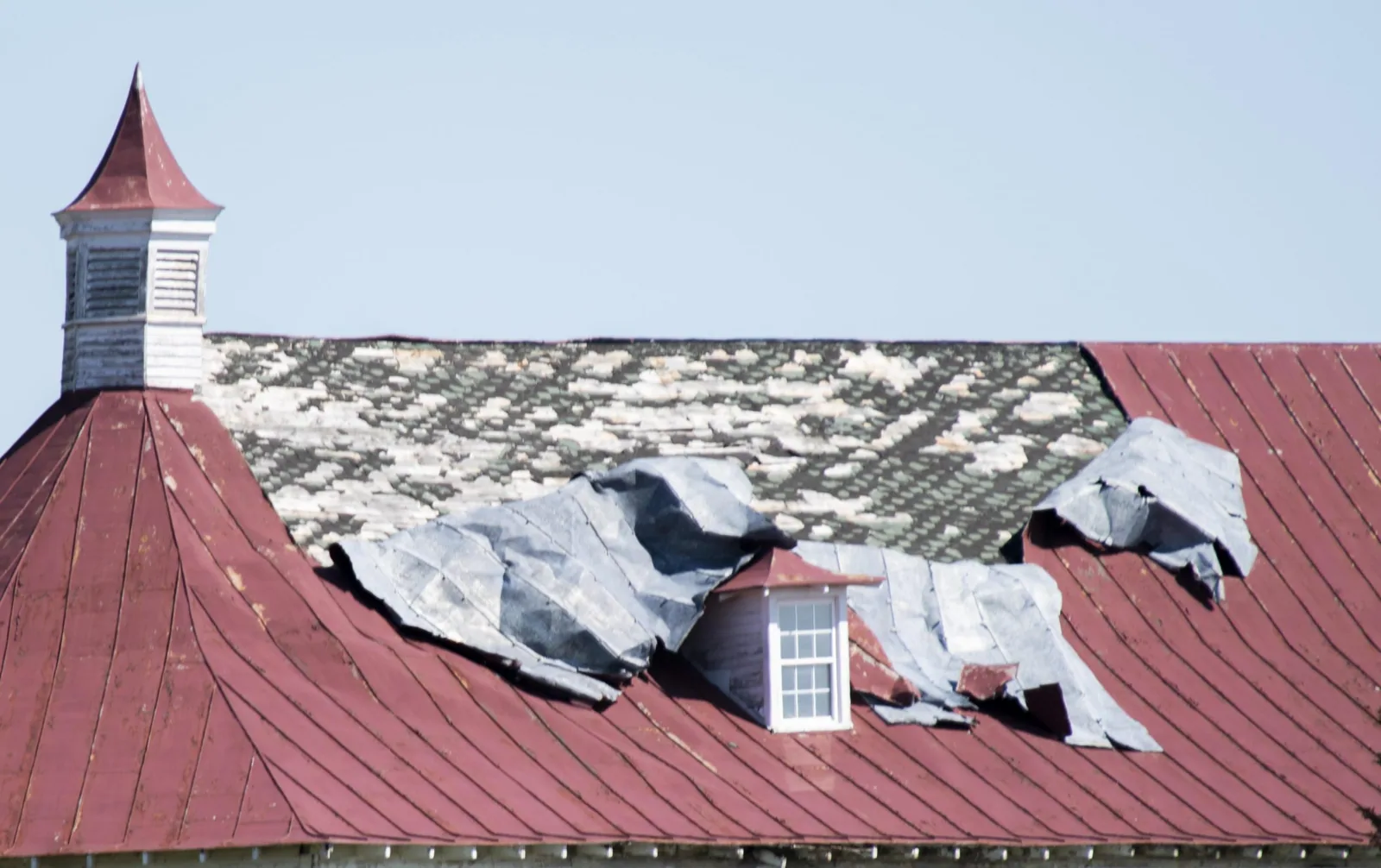
From early spring the schedule carries a hold rule that halts work at the next safe point whenever a storm line appears in the forecast. The open section is sealed, loose material is tied down and the manager is told. After hail or wind, the first task is a walk of the perimeter and the curbs. A wind damage finding is secured and photographed before the next rain.
Before the first cut on a large roof, the dry-in point is fixed. We decide how much can be opened, replaced and sealed by evening, and that area is the section. If the forecast worsens, the section shrinks. Material is staged in the order it will be installed, and nothing remains loose overnight.
Each rooftop unit belongs to the section plan. If a unit has to be off for a tie-in, the manager and the mechanical contractor set the hour, and the notice carries it. Debris leaves by chute or hoist into a container that stays out of entries. A roof recover over dry, attached insulation reduces debris and noise, and the cores tell us whether that option is open.
Fasteners and loose debris matter for the people below. A magnetic sweep of the lot and the walkways after each work day removes screws and cut metal that could puncture a tire or a shoe. It is a small step that tenants notice, and it costs a few minutes.
The turnover package shows the opened and closed areas along with layer photographs and a punch list for anything needing a return visit. It also tells the next walk where to look first, typically the drains after a heavy rain and the sealant after a hot week. The roof condition report sets down how the roof looked at handback.
An owner with buildings in Belton or Harrisonville can use the same package for each address. Over time those packages show which roof is aging fastest and which repairs have held, and the manager can plan capital spending from evidence instead of memory.
The plan names an alternate route and builds in time. Deliveries are timed so a delay does not leave a section open at dusk.
A tenant notice, a staging and route drawing, a phase plan and a weather hold rule. All four are written and reviewed on the day-one walk.
When core cuts show dry, attached insulation and the code allows an added layer. Wet insulation or a failing deck rules it out.
The foreman, using the hold rule in the plan. The manager is told at once and receives a note on what was closed.
Yes. Phases can be split across seasons, with the worst areas first and a temporary seal at each boundary.
Send the building address list, tenant hours and any open leak reports. We will walk the roof with the property manager and offer a written sequence plan before any scope is priced.
Request a Roof Assessment