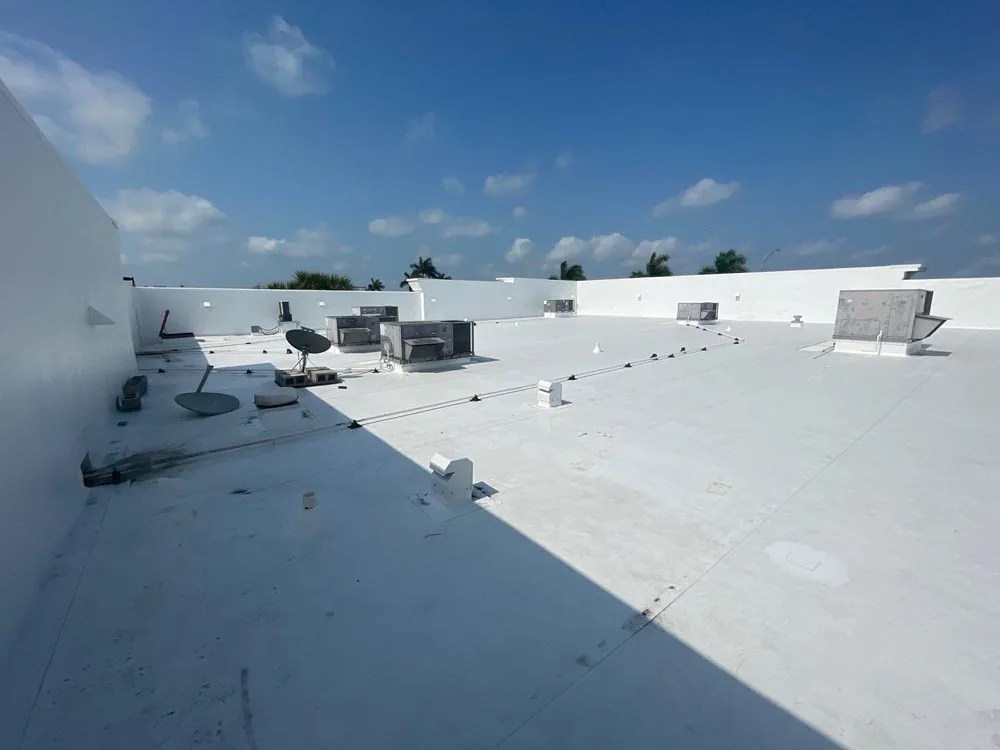

Recovering a roof means leaving the old membrane in place and installing a new system over it, and the idea is only sound when the old roof is dry, flat enough, and firmly attached. In Lee's Summit, MO the question usually reaches us from a manager who wants a new roof without the dust, noise and open decks of a full tear-off above working suites. A recover can deliver that, but a wrong choice buries moisture that then spreads for years.
We treat the recover as a conditional offer. First we prove the existing roof can carry a second system, then we choose a separation layer and membrane that suit it, and only then do we price the work. If the proof fails, we say so before any money is committed.
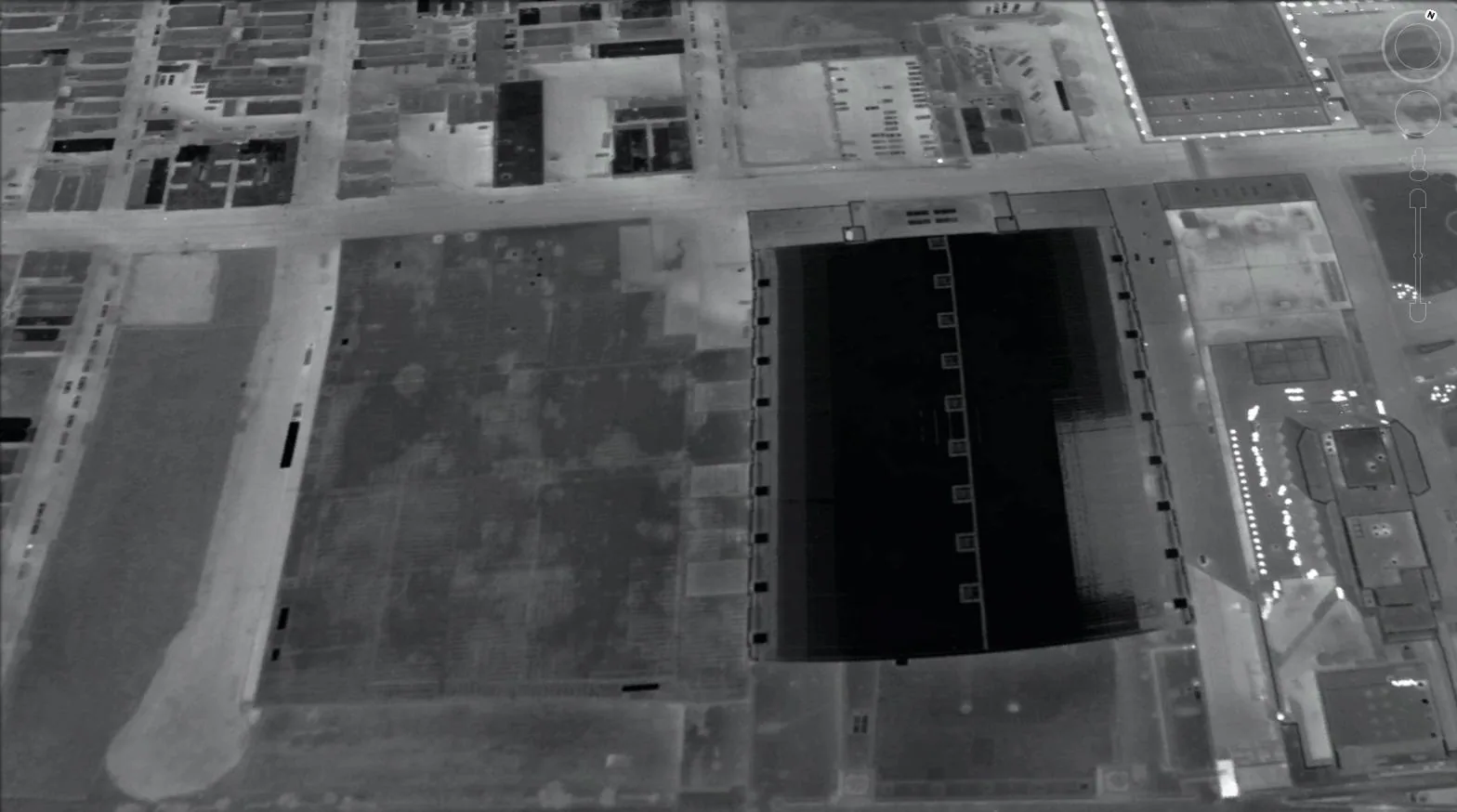
The proof is a moisture survey followed by physical cuts. Infrared scanning at the right time of day shows where the insulation holds heat from water, and core cuts confirm what the scan suggests. A moisture survey on a roof of any size is the cheapest part of a recover project, and it routinely changes the scope by showing a wet corner or a stripe along a wall.
The cuts also tell us how many layers are already on the building. Many jurisdictions limit the number of roof coverings, and the adopted code controls the answer. The city's development services office has moved to the 2024 I-Codes for submittals on or after October 1, 2026, and the 2018 set covers earlier ones, so the reviewer's position on additional layers is checked at permit time and not assumed. When the layer count blocks a recover, the answer is a full commercial roof replacement, and the survey will have shown that before design time was spent.
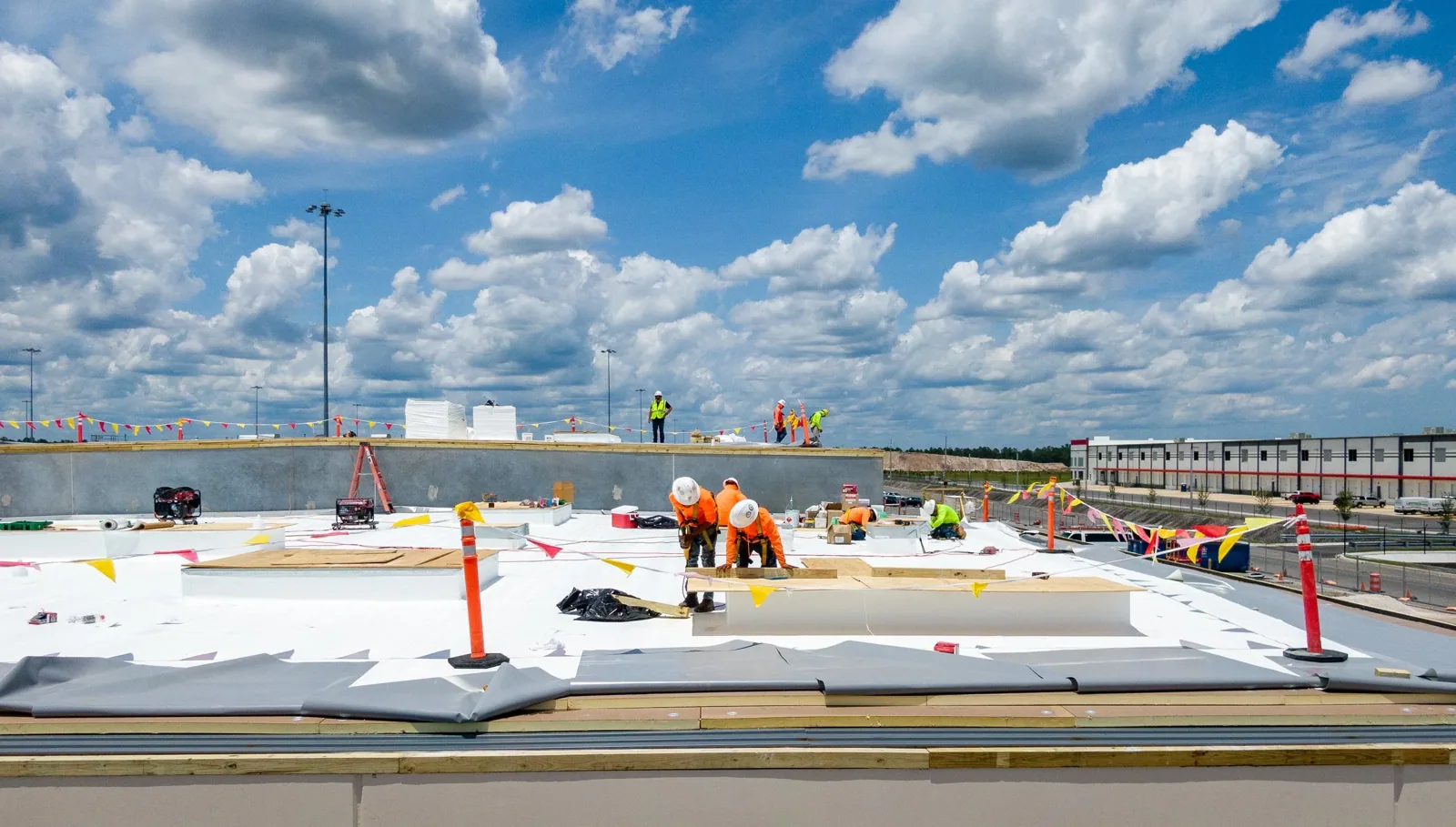
Even a recover is not leave-everything-alone work. Wet insulation is cut out and replaced with dry board of matching thickness so the surface stays flat, loose areas are refastened or removed, blisters and ridges are opened and corrected, and old flashing that cannot carry a new membrane is stripped to the substrate. Each of these cuts is mapped on the drawing so the manager sees how much of the old roof is actually being kept.
Gravel surfacing, loose granules and debris are swept and vacuumed from built-up and modified bitumen surfaces. A smooth, clean, firm substrate is what the new system sits on, and shortcuts here show up later as bubbles and tented seams. That preparation time is a visible line on the schedule, not an assumption absorbed inside the unit price.
Between the old roof and the new membrane we install either a cover board, a slip sheet, or a layer of rigid insulation. The cover board spreads load, protects the old surface from fasteners, and gives the new adhesive or fastening pattern something uniform to grip. Gypsum-based and high-density fiber boards are common choices, and we match them to the membrane maker's list of approved substrates.
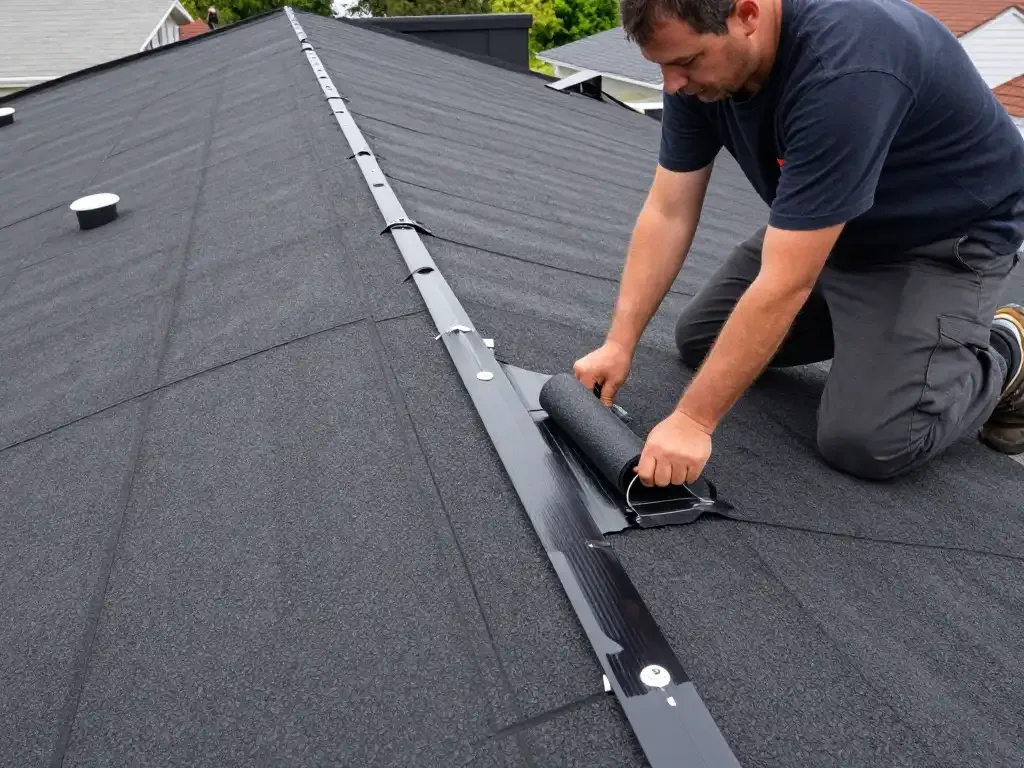
Chemistry matters here as much as thickness. A single-ply membrane over old asphalt or coal-tar surfaces needs a separator, because the oils in those materials can attack some membranes. An EPDM or TPO system is chosen with that interaction in mind, not selected for the lowest bid.
A second system adds dead load, and the structure under it must carry that weight alongside snow and equipment. For most conventional steel and concrete decks the added load is small, but older roofs with lightweight fill or thin joists need an engineer's confirmation. We ask for structural drawings from the owner when they exist and record when they do not. If no drawings can be found, a structural engineer's visit is a line on the proposal, and the roof is not loaded until the answer is in hand.
Wind loads rise at corners and edges, so attachment through an old roof into the deck needs longer fasteners and pull tests. Where a building along I-470 or MO 291 in Lee's Summit combines rooftop units with parapets and edge metal, each of those details is re-flashed to the new roof level so water cannot track behind the metal. Perimeter metal is re-set to the manufacturer's fastening pattern for the edge zone, because that is where uplift pressure peaks.
The strongest argument for a recover in Lee's Summit is operational. Without a tear-off there is no open deck, less debris, less noise, and often a shorter window in which tenants hear work above them. Rooftop unit curbs are raised to the new height with the mechanical contractor, and the manager gets a day-by-day notice that matches the section plan. Where leaks have already reached ceilings, a leak repair pass can be done ahead of the recover so interior damage stops growing while the scope is finalized.
Weather still controls the pace. Spring in the Kansas City area brings severe thunderstorm warnings that call out roof damage, such as the National Weather Service warning of April 27, 2024 that named Lee's Summit. The plan names a weather hold trigger so a partly installed section is sealed at the end of every shift.
A recover can still carry a manufacturer's system warranty when the manufacturer's inspector accepts the substrate and the installer follows the published details. We submit the survey, cuts and photographs that the manufacturer asks for before work begins, so the warranty conversation does not start after the membrane is down.
At turnover the manager gets the drawing of retained and replaced areas, the survey images, the fastener and adhesive records, and the closeout punch list. A later buyer or asset team can see precisely which parts of the roof are new and which are older, which feeds into capital planning for the next cycle.
The line is crossed when the survey shows widespread wet insulation, when the existing system is already at the layer limit the code allows, or when the deck cannot carry more weight. Any one of those ends the option. A wet area limited to a drain sump may still be cut out and recovered around it.
Blisters are opened, dried and repaired, or cut out, before anything goes over them. A cover board then spreads the load. Left in place, a blister can rupture under foot traffic or fastener pressure and let the new roof move with it, so each one is dealt with first.
Not always. A recover saves tear-off labor and disposal at the start, but it keeps the old assembly's age inside the building. If the old insulation or deck will need attention within a few years anyway, replacing now can be the lower total cost, and the survey gives the figures to compare.
Usually the curbs are extended rather than the units lifted, with the mechanical contractor handling disconnects. Where units sit directly on the old roof without curbs, they may be raised on new curbs, and this decision is scheduled with the manager's maintenance lead to protect tenant comfort.
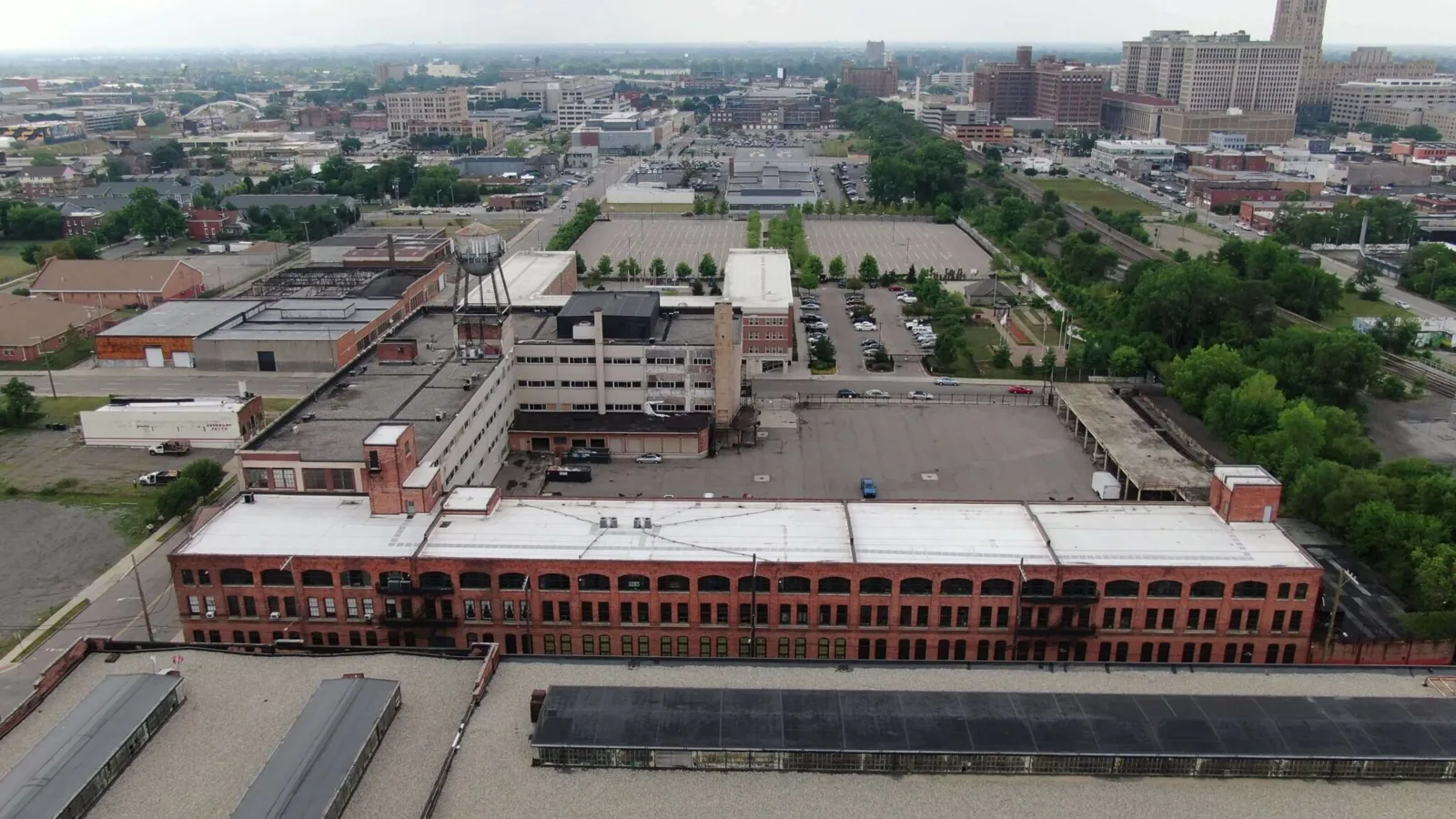
Single-level warehouses and flex buildings with dry insulation, steady slopes and few penetrations are the natural fit, whether they sit on the I-470 and US 50 corridors or elsewhere in Lee's Summit. Roofs with many curbs and sump drains can still work, but the details cost more and are examined closely.
Send the roof plan, any past survey and the address list. We will schedule the moisture survey and core cuts, then return a recover or replace comparison you can take to your owner.
Request a Roof Assessment