A maintenance program starts with the calendar the building already lives by: tenant notice, dock hours, the roof hatch that opens above a working suite, and the spring weeks when storm warnings arrive. In Lee's Summit, MO, a property manager who sets those constraints first gets a program that runs without surprises, while one who skips them gets a technician at the loading door during the noon delivery. We write the visit schedule around the building, not the other way around.
Each visit follows one order: confirm the route to the roof, walk from the drains toward the details, fix what is small, log what is not, and hand over a package listing what was opened, what was closed and what to look at next time.
The first visit settles the practical questions. Where does the crew park, which door leads to the roof, who holds the key, and which tenants need a day's notice before anyone walks above their suite? A short written notice to the affected tenants, sent two or three days ahead, prevents most complaints.
We also record the quiet hours and the days when deliveries peak. A retail center and an office building keep different rhythms, and the program calendar reflects whichever the building is. Once these answers are on file, later visits follow them without another round of calls.
Every visit uses the same sequence so results can be compared from one season to the next. Drains and scuppers come first, because standing water exposes weak seams and flashing faster than any other condition on a flat roof, and a blocked outlet is the cheapest drain and scupper problem to fix before it becomes an expensive one. Then the membrane field, the laps, the edges, the base of each wall and every rooftop unit curb.
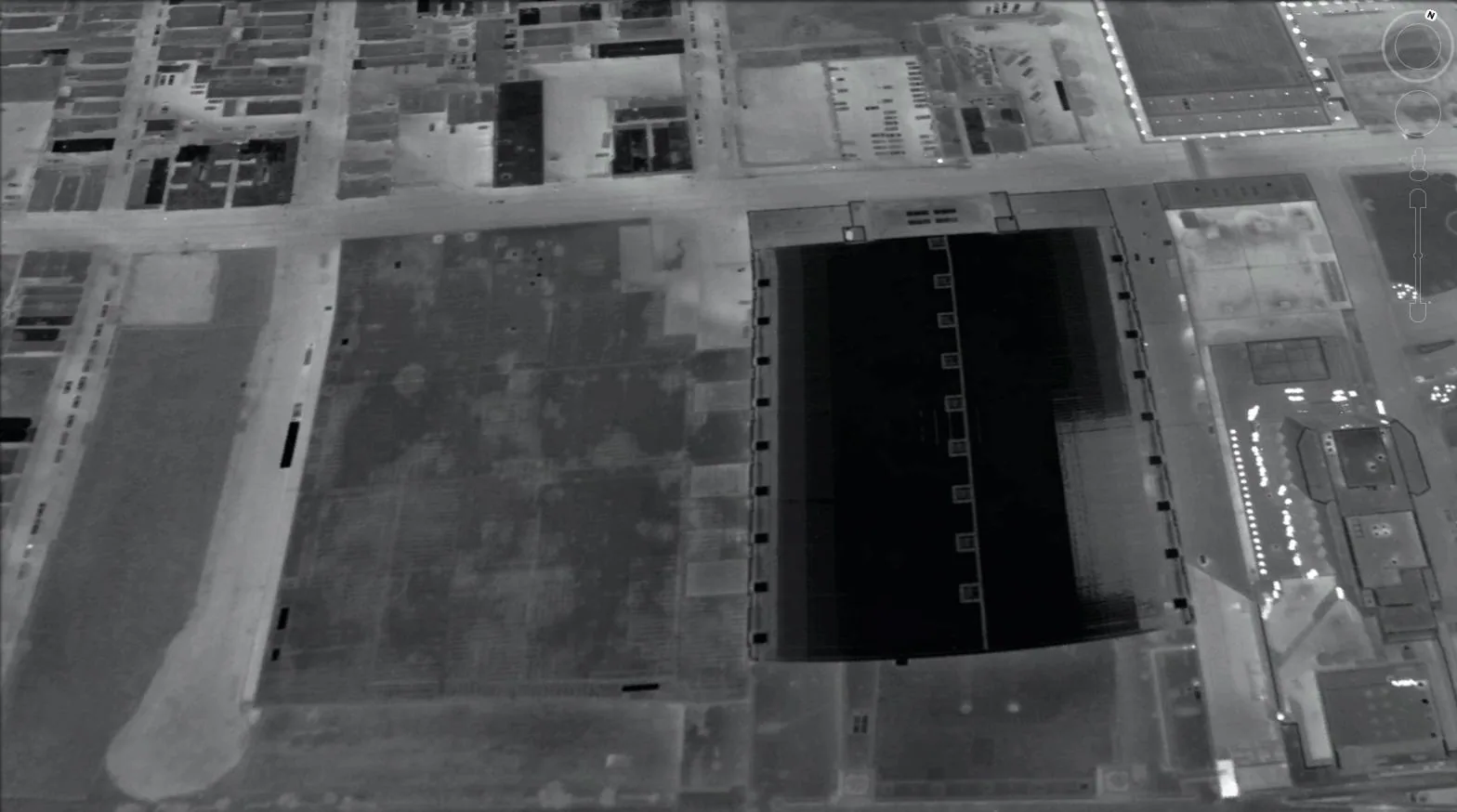
Small repairs happen during the visit. A pipe boot with a split, a loose termination bar, a clogged strainer, a bead of sealant that has dried and shrunk: each takes minutes now and avoids a service call later. Larger findings go on a punch list with a photograph and an estimated cost range. When the walk finds something it cannot explain, such as a soft spot underfoot or a stain with no visible source, we recommend an infrared moisture survey before spending money on a guess. If water is already entering, the scope moves to leak repair and the program visit becomes a tracing visit.
The punch list is ranked by consequence and cost, not by order of discovery. A cracked sealant joint over a tenant suite ranks above a larger defect over an empty storage bay. Each item states who approves it, what it costs and when the crew can return, so the property manager can approve items from a phone between meetings.
A spring example: on April 27, 2024 the Pleasant Hill forecast office put Lee's Summit under a severe thunderstorm warning that mentioned 60 mph gusts, hail the size of a penny and likely harm to roofs, siding and trees. A maintenance program treats that kind of spring warning as a scheduling fact. The pre-season walk, completed in March or early April, checks edges, drains and loose equipment covers.
After any warning that affects the area, a short follow-up walk looks for lifted edge metal, displaced covers and new punctures. Bringing that walk forward costs less than discovering the damage in a tenant complaint a month later. A damaged roof that is reported within days can usually be documented for an insurance claim with dated photographs, and a commercial roof repair scheduled within the same week keeps water out of the building before the next storm line arrives.
The city sees about 4.5 inches of snow in a typical year, a modest figure, but the record low of minus 25 degrees Fahrenheit and a record high of 108 mean low-slope roofs here swing across a wide annual range. The fall walk clears leaves from drains before the first freeze, reseals joints that opened during summer heat and checks that rooftop equipment has not shifted.
Winter readiness also means knowing who can reach the roof when roads are bad; the 2002 ice storm that cut power across Kansas City for days or weeks is the reference point. We keep the building's contact list current in the file, with a second name for each building in case the first person is away. Snow here is infrequent, so the plan settles the heavy-event questions ahead of time: it states who clears access to the hatch, who authorizes emergency work and how the crew gets onto the property in the dark.
After every visit the property manager receives a package with dated photographs by roof section, the repairs completed, the items deferred and their cost ranges, and the date of the next walk. The package is short, usually two to four pages, because its job is to be read.
Over several visits it becomes a history. A manager can see whether ponding at a low spot is deepening, whether a patch is holding, and which roofs deserve capital money first. A roof condition report pulls that history into one document for a lender, a buyer or an owner's board.
The price follows the roof, not a flat fee per building: the number of roof sections, the count of drains and penetrations, the access route, how many visits a year, and how much debris the site produces. A building shaded by mature trees takes longer to clear than an open lot. A roof with twelve rooftop units takes longer than one with two.
Programs for several buildings can use one reporting format, which makes comparison simple. A multi-site roof program ranks every building on the same scale, and property management companies often fold the schedule into their annual budget cycle.
Visits reach the commercial, industrial and mixed-use districts strung along I-470, US 50 and MO 291, plus the downtown storefronts in the historic district, whose Italianate and Moderne buildings range from 1850 to 1974. Buildings in Lee's Summit, Raymore and Blue Springs share the same visit sequence, adjusted for each roof, and the same turnover package comes back whichever town the building sits in. A property manager with one building in each town reads three packages in the same order.
Twice a year works for most buildings: a spring walk before storm season and a fall walk before freeze. Add a visit after any severe warning that touched the area.
Small items, such as sealant, strainers and pipe boots, are fixed on the spot. Anything larger goes on a punch list with a cost range for approval.
No. It supports the warranty by showing that drains were cleared and defects were reported on time, which many manufacturer terms ask for.
A list of building addresses, roof access instructions, tenant hours and any open leak reports. With those, the first visit sets the schedule.
Call at any hour. A temporary stop goes on first, then the cause is traced and added to the turnover package.
Send the building address list, tenant hours and any open leak reports. We will offer a written visit sequence and a first-visit date before any scope is priced.
Request a Roof Assessment