
A buyer or lender has a few weeks and a long list, and the roof competes with the title report, the environmental review and the rent roll for attention. The survey has to fit that calendar, which means a plan for access, tenant notice and weather on the first day. In Lee's Summit, MO, a seller may allow a single morning on the roof, a tenant may need hours of notice and a spring storm can cancel the day. We write the sequence before the buyer signs the survey order: who opens the hatch, which suites are told, where the lift stands and what happens if it rains.
The survey sequence is short and ordered. The first call settles access with the seller or the seller's manager, confirms tenant notice and asks for roof records. The second step is the site walk with photographs, probes and drainage tests. The third is a moisture scan and core cuts where the walk or records point to trouble, followed by a written report and a reserve schedule.
Each step has a day attached. A typical building can be walked in a morning, scanned on the next dry afternoon and reported in days. Large or multi-building deals are planned by roof, and the buyer receives findings as they come, so negotiation can begin before the final report.
Weather is part of the plan. Rain and snow total about 38 inches in a Lee's Summit year and spring brings thunderstorm warnings, so the schedule includes a backup day for the moisture scan and a rule that cores are not cut when rain is forecast within the sealing window. The buyer is told the evening before if the plan changes. Tenant notice goes out early, with the access route and the hours the crew expects to be on the roof, and the staging footprint for any lift is marked so a loading door is never blocked at noon.
Records shorten the survey and sharpen it. We ask for roof plans, the date and type of the last replacement, the repair history, warranty documents, leak logs, insurance claims and maintenance invoices. Gaps are findings: a roof with no records and no warranty is a different risk from one with a documented history.
Warranty papers get a close read, since a transferable warranty is part of the roof's value. Our roof warranty management process lists the notice, maintenance and transfer terms a buyer inherits.
A lender's roof requirements may add to the list. Some ask for a remaining-life statement, some for a reserve, and some for a statement that no active leaks exist. We ask for the lender's checklist at the start and write the report to answer it point by point.
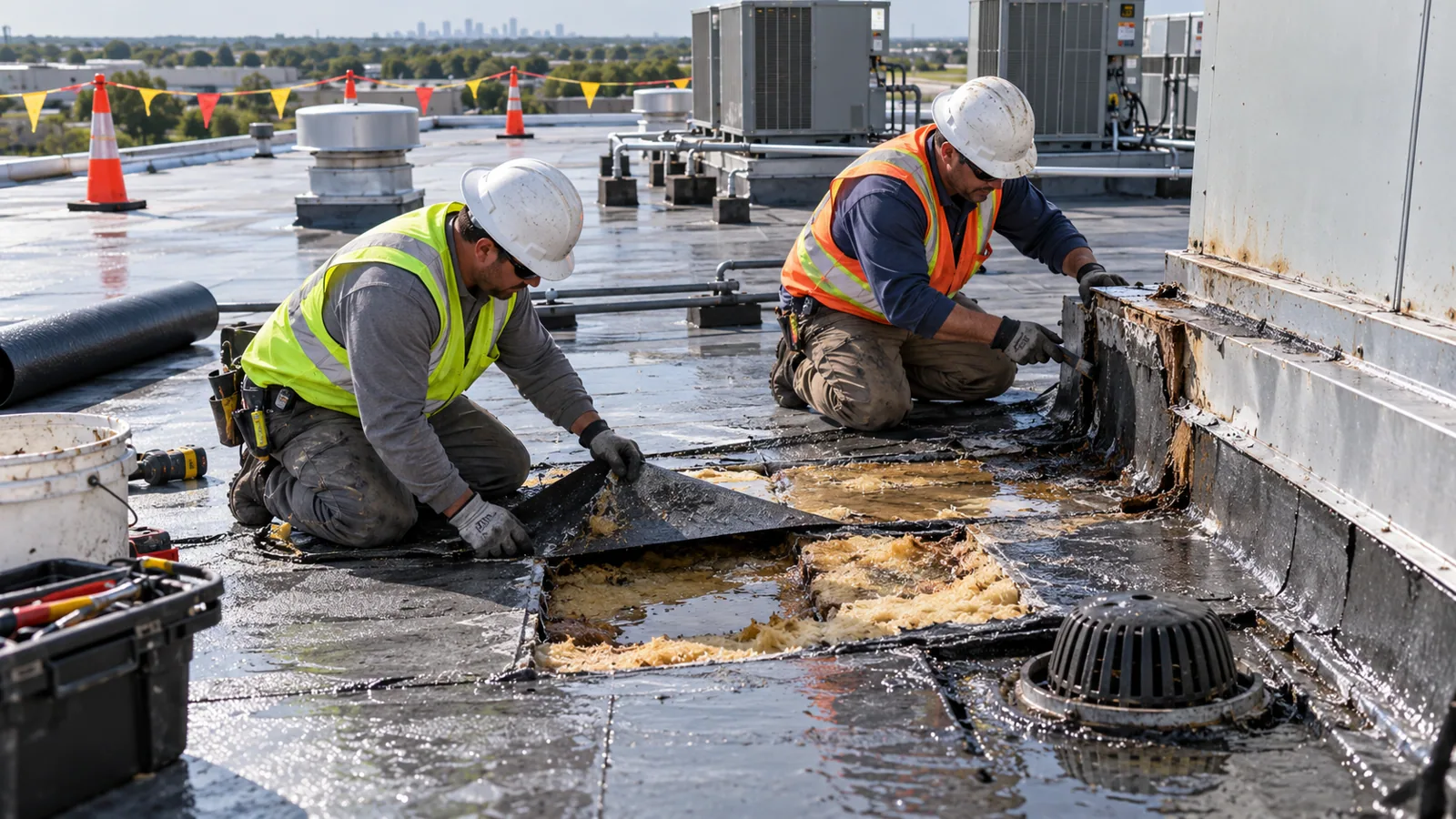
The walk identifies the roof system and approximate age as read on the roof, tests drainage by pouring water, probes seams and flashings, and notes ponding, patch history and equipment. Photographs follow a fixed sequence, and each finding has a number on the roof drawing. Findings that would change a price or a covenant are marked with the reason.
A drone roof inspection can add a view of the whole surface when access is limited. It cannot replace the probe, and the report says which findings came from which method.
Rooftop equipment is inventoried with the walk. Units, curbs, supports and penetrations are counted and photographed, and abandoned curbs and capped lines are noted, since each is a leak point and a cost to remove. Drainage gets a pour test at every drain, and overflow outlets are checked for height. A roof with a single drain and no overflow is a risk a lender will notice.
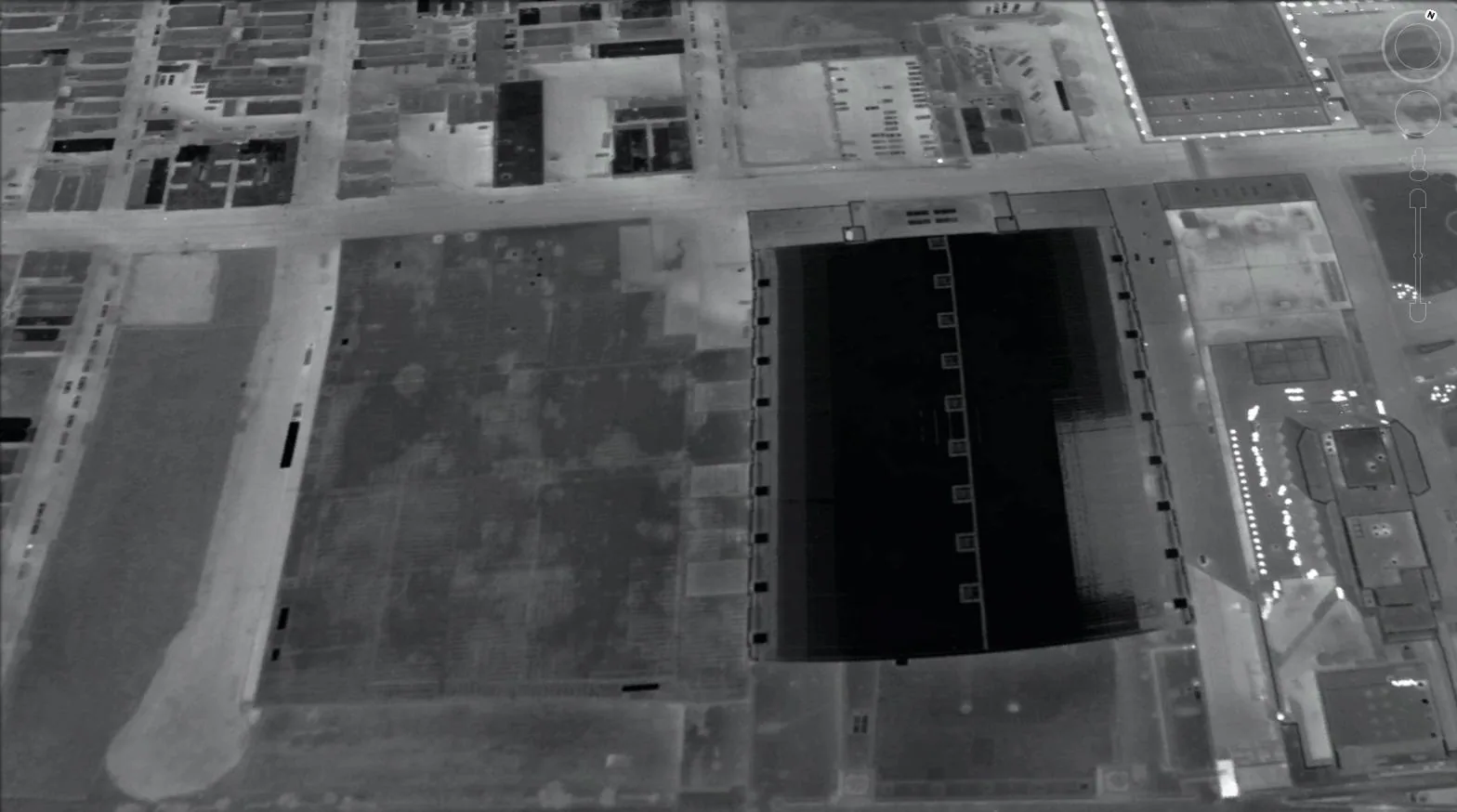
Wet insulation is the finding that moves a deal. An infrared moisture survey maps it quickly, and a handful of cores confirm it with a layer photograph and a meter reading. Cuts are small and sealed the same day, and the seller's approval is arranged before the survey.
Where the seller refuses cuts, the report says what the scan and the walk can support and what remains unproven, and the buyer decides whether to price the uncertainty into the reserve.
Timing matters for the scan. Infrared works best on a dry day after the sun has warmed the roof, with the scan running as the surface cools. We log sky, temperature and time beside each image so a reader can weigh it, and we repeat a questionable area on another day when the first reading is unclear.
In the historic core of downtown Lee's Summit, where the listed styles are Italianate and Moderne and the dates run from 1850 to 1974, a buyer faces questions a highway-corridor buyer may not. The survey reads each roof as found, and the report notes shared walls, tall parapets and tight access that affect cost.
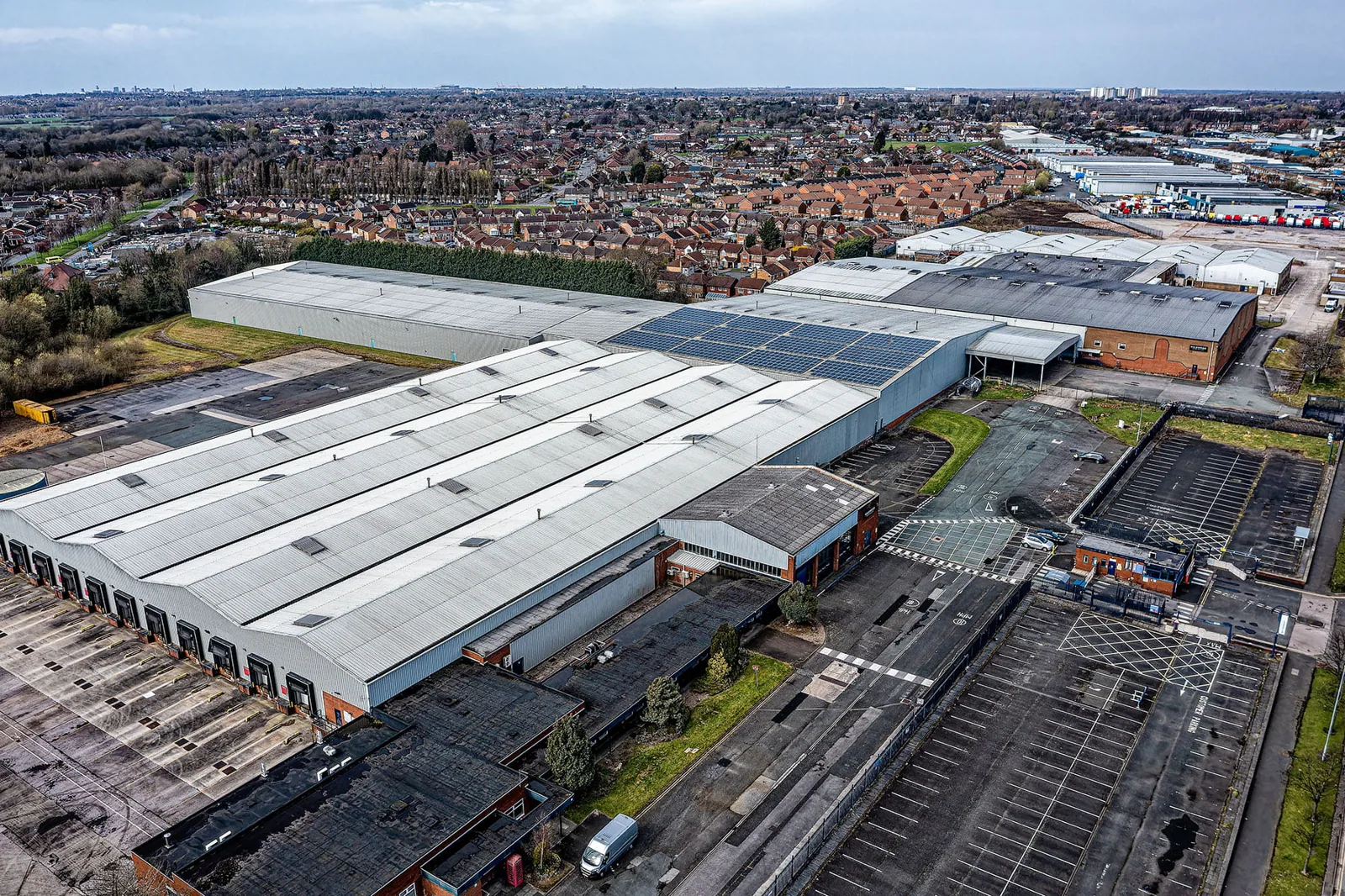
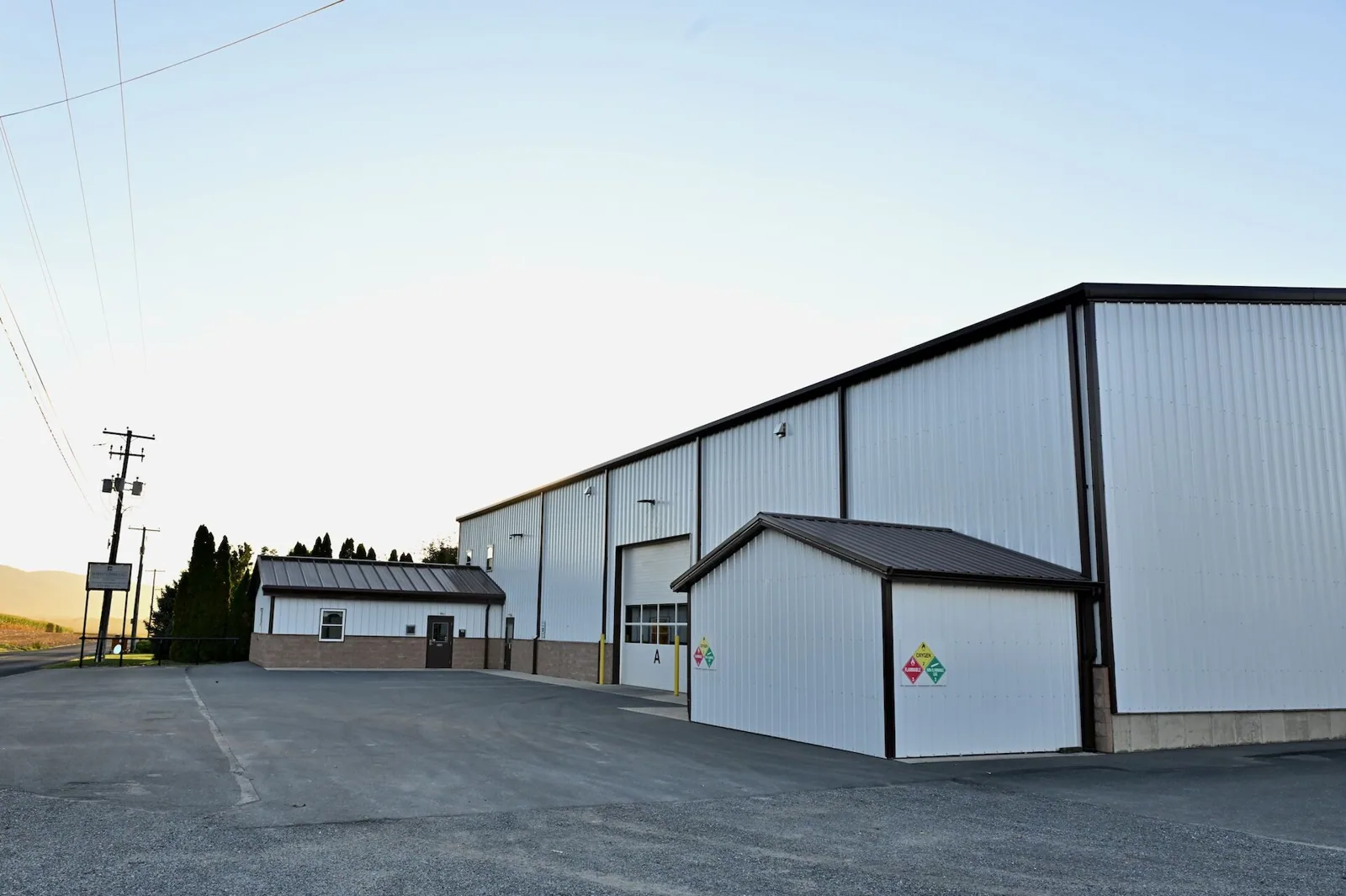
Along I-470, US 50 and MO 291, commercial, industrial and mixed-use buildings raise other questions: large flat roofs, rooftop equipment, truck courts and dock hours. The survey adapts to each, and the findings are written to the buyer's concerns.
The survey ends with a reserve schedule: items that need action now, items for the first two years and a replacement window for the roof as a whole, each with the factors behind its number. The city applies the 2024 I-Codes to projects submitted on or after October 1, 2026, so a replacement within the hold period will be permitted under the newer edition, and the schedule notes it.
The same pages feed the buyer's roof capital planning after closing, and the full roof condition report is a longer version of the survey summary. A real estate investor can lay the schedule beside a hold strategy, and the survey covers buildings in Lee's Summit and Downtown Lee's Summit alike.
The reserve schedule uses ranges, with the factors beside each: area, wet insulation, penetration count, access and the hours the building allows. It separates items the buyer should ask the seller to fix or credit from items that belong in the hold-period budget, which gives the negotiation a clean footing.
A typical building takes a morning on the roof, a dry afternoon for the moisture scan and a few days for the report. Large deals are staged by roof so findings arrive early.
The report states what the walk and the scan support and what remains unproven. The buyer can then price the uncertainty into the reserve or ask for a credit.
It helps with access and gives a view of the whole surface, but it cannot probe seams or confirm moisture. The report separates drone findings from hands-on ones.
Uses it to set a price, to ask for a credit or to plan capital after closing. Each item lists its factors, so the buyer can see why a number is what it is.
Only if its terms allow, sometimes with notice or a fee. The survey lists the transfer terms and the records the buyer should ask the seller to deliver.
A remaining-life statement, a reserve figure, a list of active leaks and the evidence behind each. Sending the lender's checklist at the start lets us answer it item by item.
Send the building address list, the review period dates and the seller's contact for roof access. We will walk the first roof with you and provide a written sequence plan before any scope is priced.
Request a Roof Assessment