
A claim moves through a sequence that a property manager can plan for: report the loss, protect the building, document the roof, meet the adjuster, receive the carrier's scope, compare it with the repair scope, and schedule the work around tenants. In Lee's Summit, MO, our part is the middle of that sequence, the documentation and the walk-through, and the end, a repair scope that matches what the roof showed on the day.
We are the roofer, not the adjuster and not the insurer. Coverage belongs to the carrier. What we supply is a record clear enough that the person reading it can follow the damage from cause to cost without being on the roof.
Water does not wait for a claim number. The first step is a call to us if the roof is open, and a call to the carrier the same day. A temporary stop goes on, interior protection follows, and every temporary measure is photographed and logged with its cost.
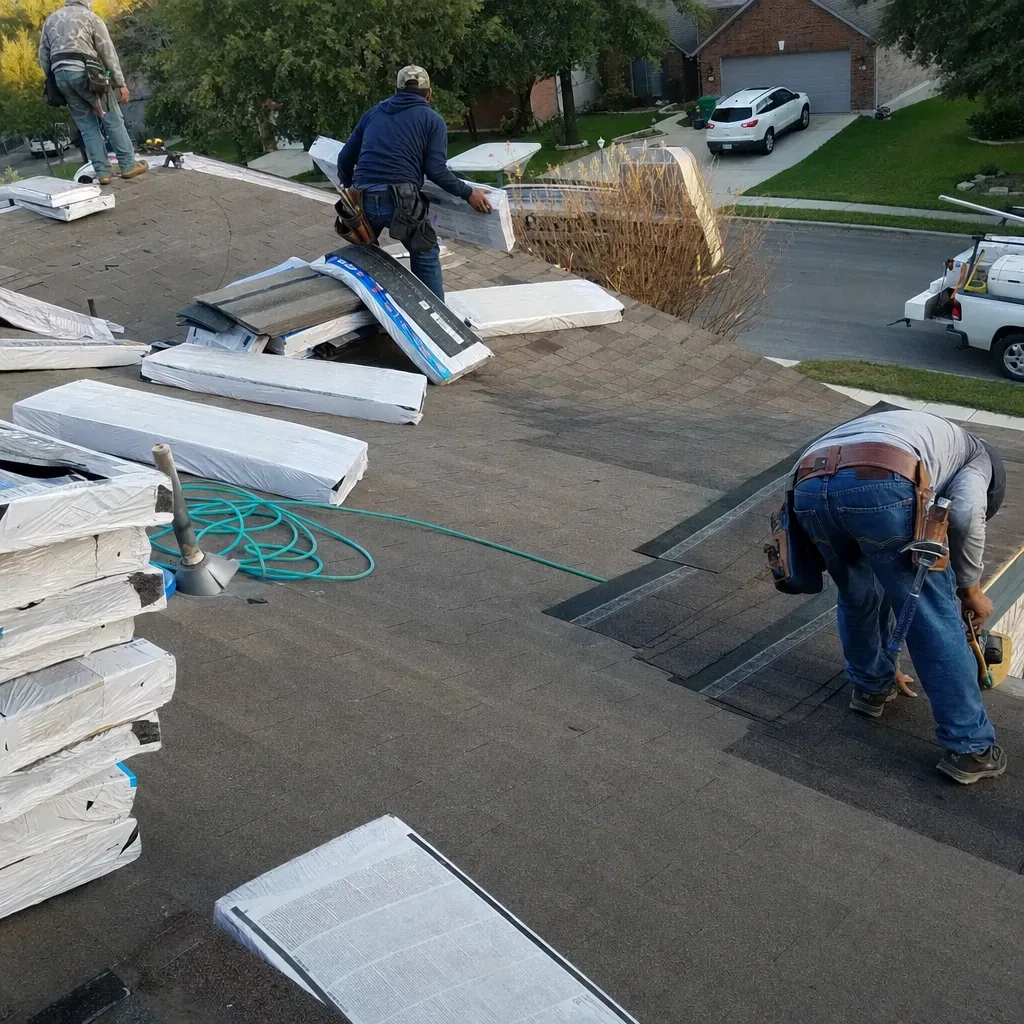
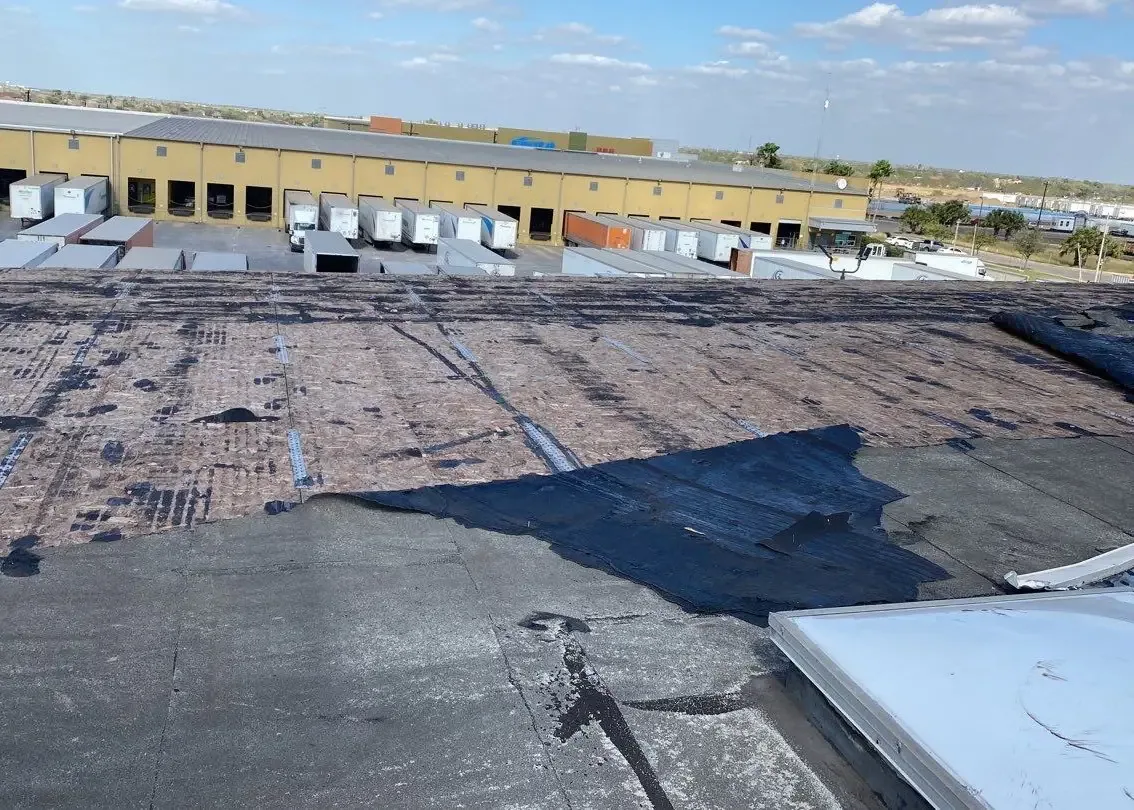
Temporary work is expected on a claim and does not harm it, provided the cost is logged and the removed material is kept long enough for the adjuster to see it. What harms a claim is an unrecorded repair that changes the evidence. So we photograph the roof as the storm left it before any permanent work begins, and we mark each location on the roof drawing.
A usable file holds dated photographs from fixed points on each roof section, close-ups of each damaged item with a scale reference, a roof sketch with every photo location marked, the weather information the owner or adjuster supplies, and a list of what was checked and found sound. The sound items matter. An adjuster who sees only the damage has no way to judge its share of the roof.
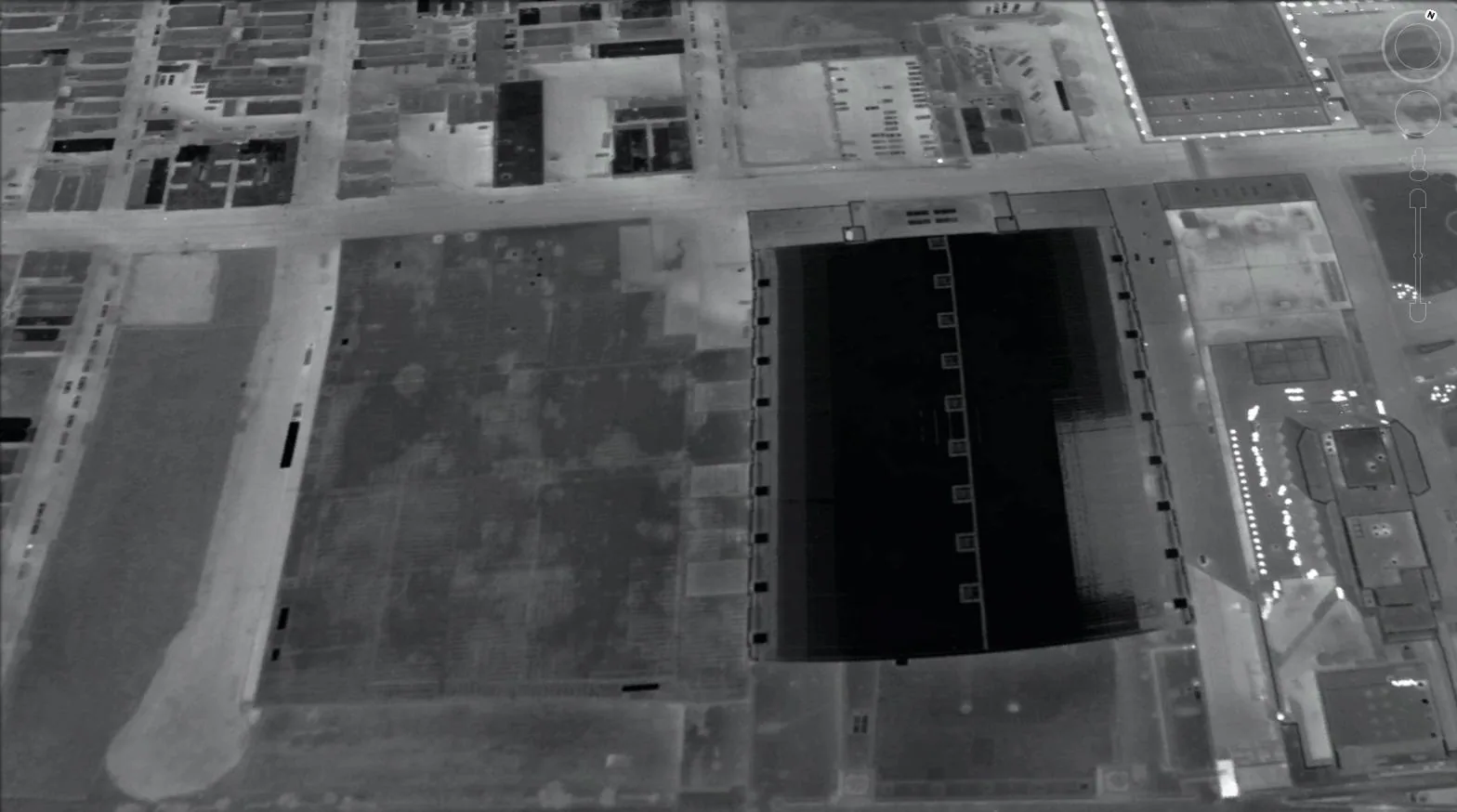
Where moisture is suspected, the file adds an infrared moisture survey map and the core cut results. Photographs of a roof taken in the first days, before debris is cleared and temporary patches are layered on, are the most valuable part of the file. They follow a fixed order so they can be matched to the sketch: an overview of the section, the edges, the seams, each curb and penetration, and then the damage at arm's length and close up. Each image carries a date and a section label.
The same order serves a second purpose. When a commercial roof repair is finished, the after photographs are taken from the same points, which lets a reader flip from before to after without a guide. Someone who has never seen the roof can follow the whole job from the first picture to the last.
Insurers ask what happened and when, and the roof can answer part of that. Wind lifts edges in a direction. Hail leaves a pattern of marks across the same face of a roof. A stain dated on a ceiling tile tells us water entered before that date. The roof cannot say which hour of which storm did it, so the owner or the adjuster supplies the weather report.
Dates matter, and a forecast office can supply one: its warning for Lee's Summit on April 27, 2024 listed 60 mph gusts and penny-size hail and flagged possible roof damage. A warning is not proof of damage on any one roof, but it fixes a date to ask about, and a roof walk that finds fresh damage on that date's windward side makes a clean story.
The adjuster compares the repair scope to an estimate, so the scope lists quantities. Square feet by roof section, linear feet of flashing and edge metal, the count of penetrations, the thickness and type of insulation affected, and the labor for each step. Where the existing condition affects the repair, such as a section with wet insulation, the scope says why and shows the moisture reading.
Code can change a scope. Which code edition applies turns on the filing date: the city's 2024 I-Codes govern submittals from October 1, 2026, and the 2018 set covers earlier ones. A repair large enough to trigger current requirements may add insulation or attachment work, and we mark those lines separately so everyone can see which belong to the storm and which to the code.
When the carrier sends an adjuster, we ask to be on the roof at the same time and to have the property manager's access plan ready. The walk goes faster with the photographs on a tablet and the roof drawing in hand. The adjuster sees what the file shows and compares it with their own notes while standing at each location.
If the adjuster and the record disagree, we ask which condition they read differently, and we note the answer in the file with the time and the names of those present. A disagreement about whether a seam failed from age or from a storm can sometimes be settled with a closer photograph or a cut sample. When it cannot, the record shows both views and the owner decides how to proceed. We argue what the roof shows, never what the policy covers.
Multi-building owners add a wrinkle: the same storm may have touched six roofs, and each needs its own file. We number the buildings, use one photograph order on all of them and rank the claims by consequence, so the carrier sees the worst roof first. Tenant impact is recorded separately for each building: which suites took water, which equipment was covered, which hours were lost to the repair. That record helps the owner and the carrier agree on what the claim should include.
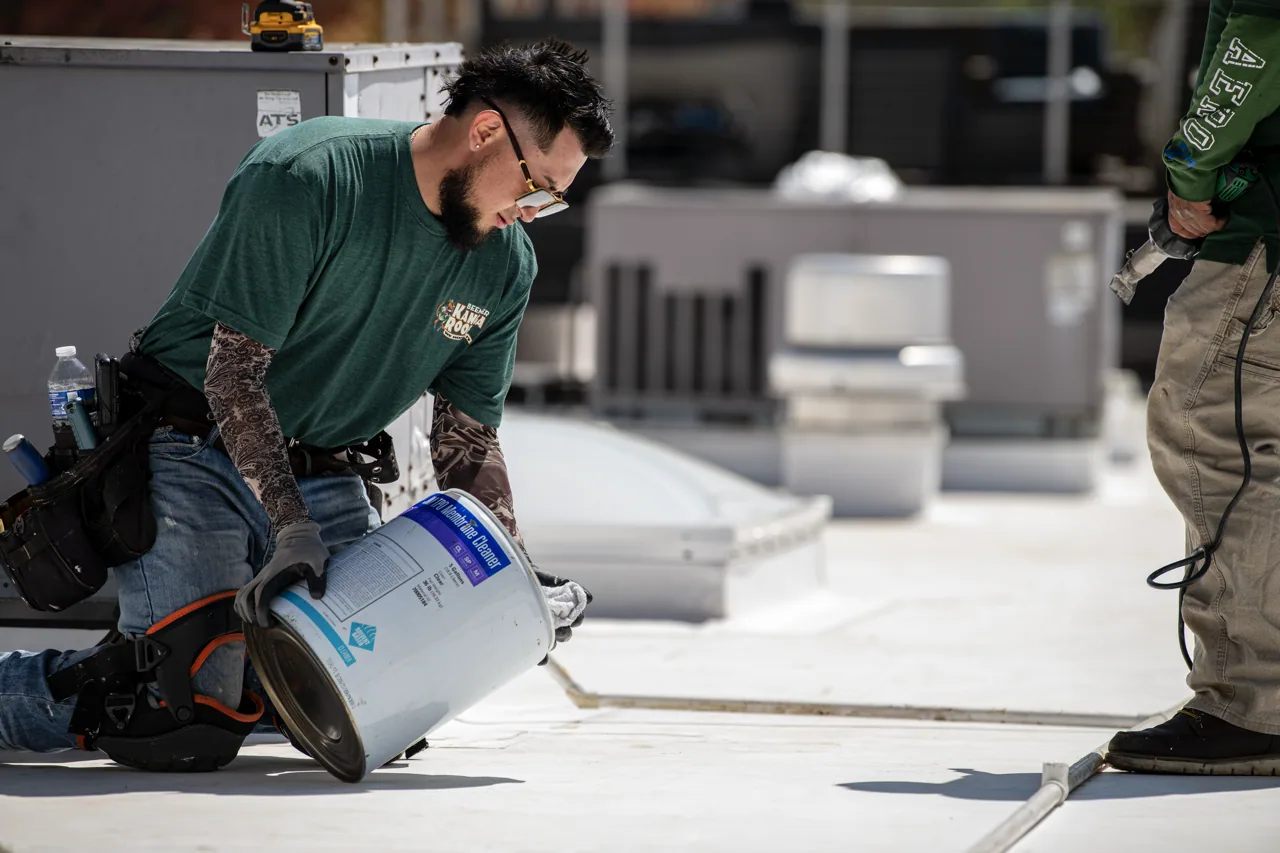
After the carrier's scope arrives, we compare it with ours line by line and explain differences in roofing terms. Then the permanent repair is scheduled: tenant notice, access route, staging footprint and dry-in point. A storm damage repair follows the phase boundaries marked on the roof drawing.
The package handed over after the repair records the sections opened, the sections closed and the items to recheck. It also folds into a longer roof condition report for lenders and buyers who ask about the roof's history.
Property managers, owners and tenants of commercial buildings along I-470, US 50 and MO 291 can end up filing roof claims, as can owners in Lee's Summit, Independence and Blue Springs. Insurance restoration professionals use the same photograph and scope format, which keeps a multi-building claim consistent from one roof to the next.
Call us the same day if water is coming in. We stop the water and photograph the damage, and you report the claim with the evidence in hand.
That is the carrier's decision. Our record shows which sections are damaged by the event and which are not, so the scope fits the evidence.
We look at the condition together. Impact patterns, wind direction and dated stains help separate a storm from age, and a cut sample can settle some cases.
No. They are expected, and the record lists each with before and after photographs and its cost.
Policy declarations if available, past roof invoices, warranty paperwork, tenant hours and the date damage was first noticed.
Send the building address list, tenant hours and any open leak reports. We will start the evidence file, set the dry-in point and give you a written sequence plan before any repair scope is priced.
Request a Roof Assessment