
Penetration work usually begins with a ceiling stain directly under a vent pipe, a skylight or a hatch, and the property manager's first question is whether the suite below can stay open. The answer comes from the day-one walk, which is the first stage of any commercial roof leak repair: which opening leaks, what the interior looks like under it, and whether the repair can be finished before the next rain. In Lee's Summit, MO, a roof with forty openings has forty places where the membrane was cut and then sealed, and each seal ages on its own schedule.
Flashing is the junction work of roofing. It turns a flat sheet up a curb, around a pipe and over a frame so that water running down the roof cannot find the opening. When it fails, water takes the shortest path into the building, and a smear of sealant over the top rarely settles it. A true flashing failure repair removes the old bond, cleans the surface, installs the right flashing and terminates it at a height that sheds water.
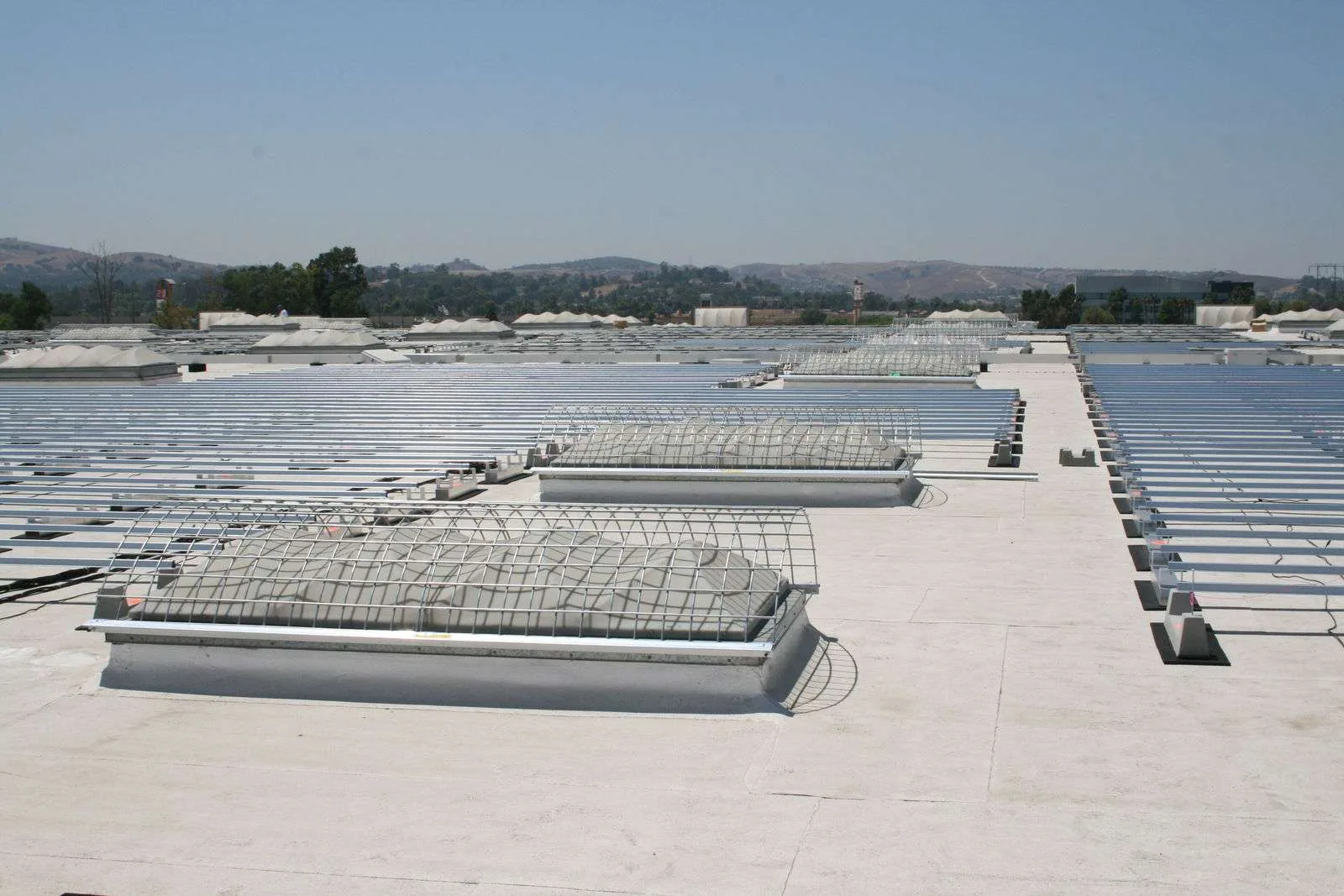
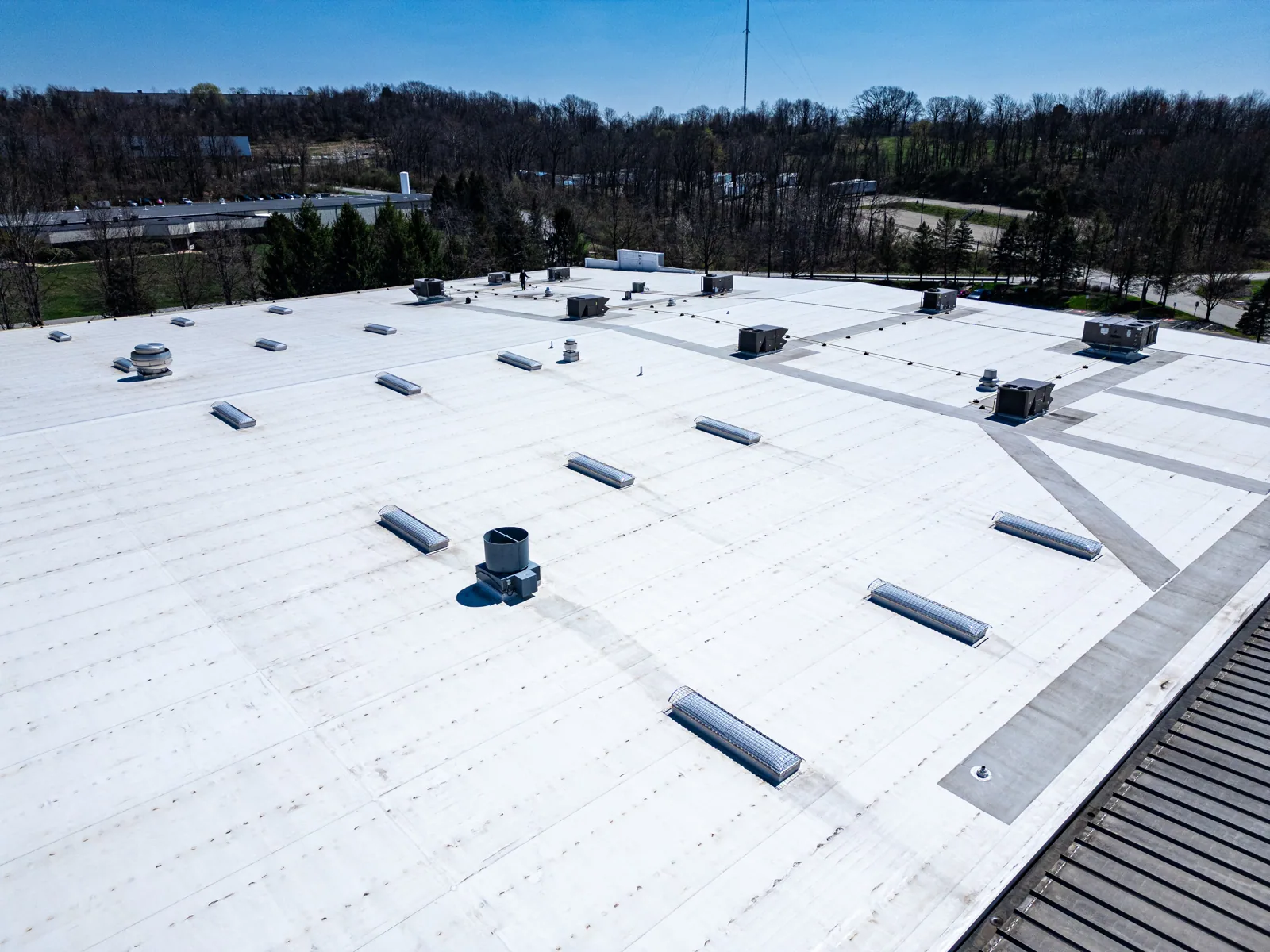
The walk starts with an inventory. Every skylight, hatch, vent, exhaust fan, conduit, pipe and antenna mount is numbered on the roof drawing and photographed. The count alone is useful, and it grows with each tenant fit-out: a roof with forty penetrations is forty places to watch, and the scope can weigh whether grouping them under one curb or removing dead ones makes sense.
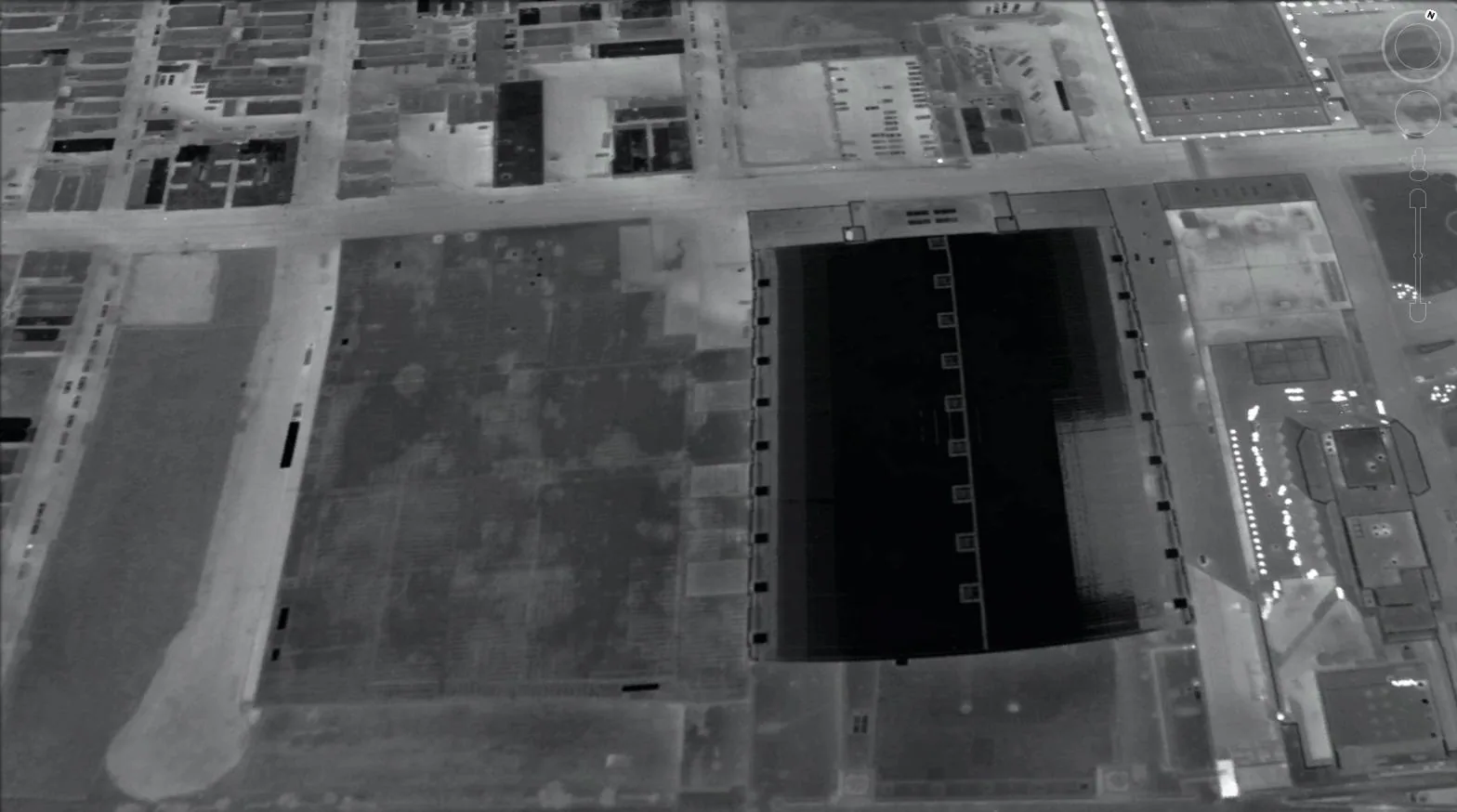
Where the surface leaves doubt about trapped water near an opening, an infrared moisture survey maps the damp insulation around it before any repair is priced. Added openings are the usual surprise. Other trades run conduit, refrigerant lines and cable through the roof, sometimes sealed with caulk alone. We locate each one, check its seal and record who owns it, so a later repair can find the right party.
Pipe boots and collars fail first because rubber and plastic harden with age and the pipe moves with temperature. Curb flashing next: the membrane folded at the corners pulls away, and the sealant along the top edge dries and splits. Skylight glazing seals harden, and frames shift. Roof hatches have gaskets that flatten and hinges that let the lid sit crooked.
The swing in temperature is wide here: afternoons average about 39 degrees in January and 88 in July, and the extremes on record run from minus 25 to 108. Every opening on the roof moves a little each season, and a seal that cannot move with it cracks.
A skylight leaks in one of three places: the glazing seal, the frame where it meets the curb, or the curb flashing where it meets the roof. Condensation on the inside of the lens can look like a leak and is a different problem, caused by humidity and temperature difference. We check the interior and exterior together to tell them apart.
Repair options follow what we find. A hardened seal can be replaced, a frame can be reset and resealed, and a curb can be reflashed. When the unit is old, brittle or crazed, replacing it along with the curb flashing may cost less than repeated repairs. Hail is a particular risk to older acrylic domes, and a post-storm walk checks every skylight for cracks and star fractures.
A skylight over a working suite changes the order of work. Notice goes out first, at least two days ahead, naming the suite, the hours and the phone number to call if anything drips. Covers go over desks and equipment. The crew works from the roof, with a spotter inside if the opening is large, and the dry-in point is set before the old seal comes off. Whatever is opened in the morning is sealed against weather before the crew goes home. If the forecast turns, the old unit is temporarily covered with a hard cover fastened to the curb, not a loose tarp, so a night of wind cannot lift it.
Larger changes, such as replacing a unit or rebuilding a curb, may need a crane day. We set the staging footprint, the hoist route and the tenant notice a week ahead, and the roof drawing shows the boundary of the work area so no one wanders into it.
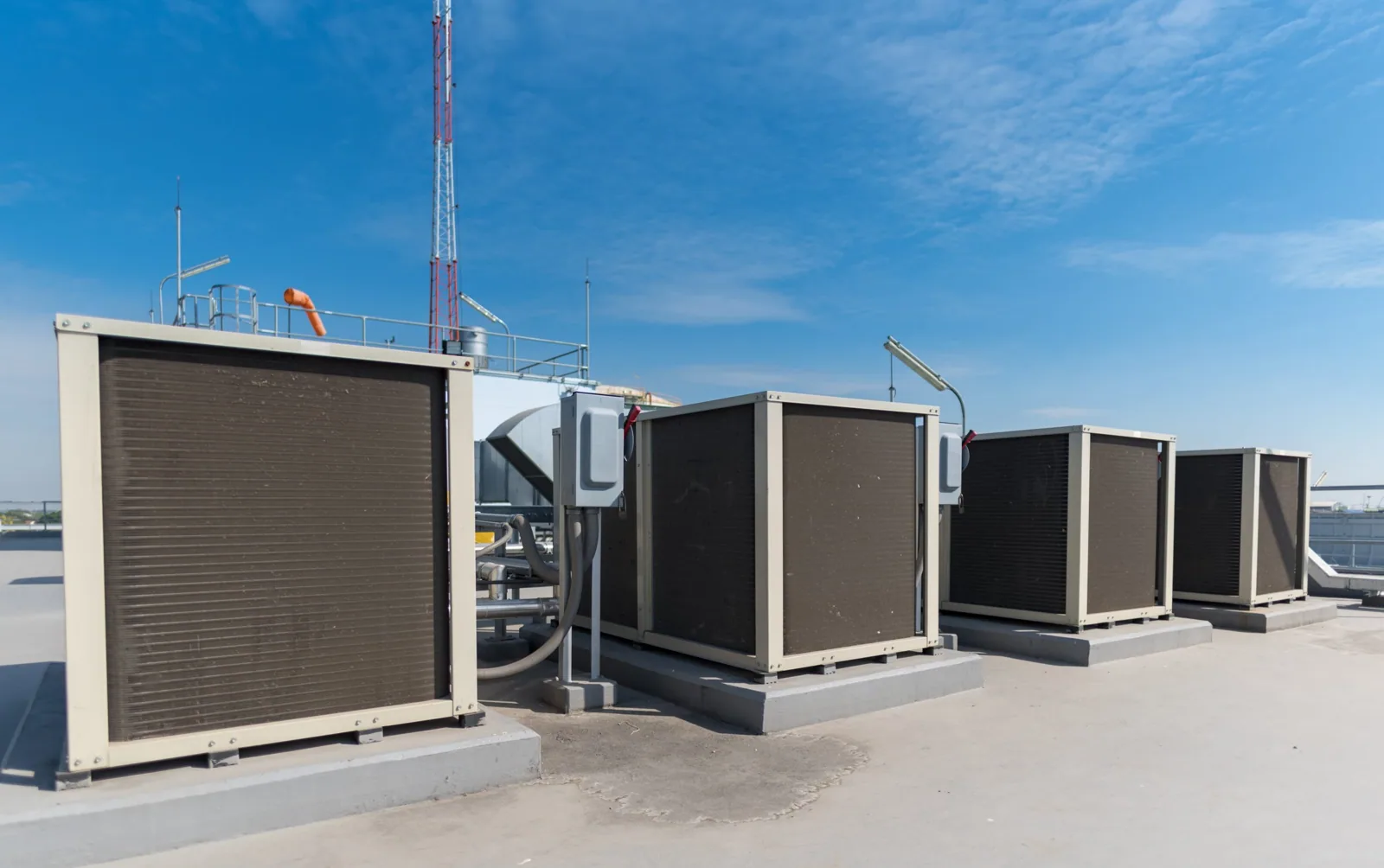
Rooftop units sit on curbs, and every service call is a chance for a puncture or a crushed flashing. When a unit is replaced or moved, the curb and its flashing need attention in the same project. The curb and support details are set to the new unit's height and footprint, and the mechanical trade and the roofer agree on who seals which opening.
For piping and conduit, a raised frame can replace a row of individual penetrations, opening the roof surface for drainage and inspection. Each remaining penetration gets a proper boot or a pitch pocket, and the record shows which method was used. Where an opening sits in thick or tapered insulation, the curb height and the insulation and cover board thickness must agree, or the flashing ends up too short to shed water.
Hatches deserve a word. A roof hatch is opened by every technician who services the roof, and its gasket, latch and curb take the most handling of any opening. We check that the lid closes square, the gasket is continuous, the hinges are tight and the curb flashing is not cracked at the corners. Replacing a gasket takes minutes. Replacing a rotted curb takes a crew, a lift and a day of notice to the suite below, which is why the gasket check belongs on every maintenance visit.
Flashing is installed differently on each membrane. Preformed boots and welded flashing are standard on TPO. Modified bitumen and built-up roofs use membrane plies with hot or cold adhesive. Metal roofs use formed metal and butyl. Liquid-applied flashing resin handles odd shapes that preformed parts cannot.
Mixing incompatible materials is a common cause of repeat leaks, so we identify the membrane first and match the method to it. The product data goes in the turnover package, and the governing code edition is confirmed with the city before work starts.
Any building with skylights, hatches or rooftop equipment has flashing to maintain, whether it stands along I-470 and US 50 or downtown. The Lee's Summit crews handle leak calls around the clock, and owners in Belton and Raymore receive the same numbered inventory and turnover record.
No. Condensation on the lens can drip too. We compare the interior and the exterior and test the curb to tell them apart.
It is a short-term patch at best. A proper boot or collar, bonded to the membrane, is what lasts.
It should. New membrane over old flashing leaves the weakest detail in place, so reroof scopes include new flashing at every opening.
The roofer, or the trade under the roofer's supervision, with a boot or pitch pocket. The record names who did it.
With notice, covers over equipment, a spotter if needed and a dry-in point set before the old seal comes off.
Send the building address list, tenant hours and any open leak reports. We will number every opening and give you a written sequence plan before any flashing scope is priced.
Request a Roof Assessment