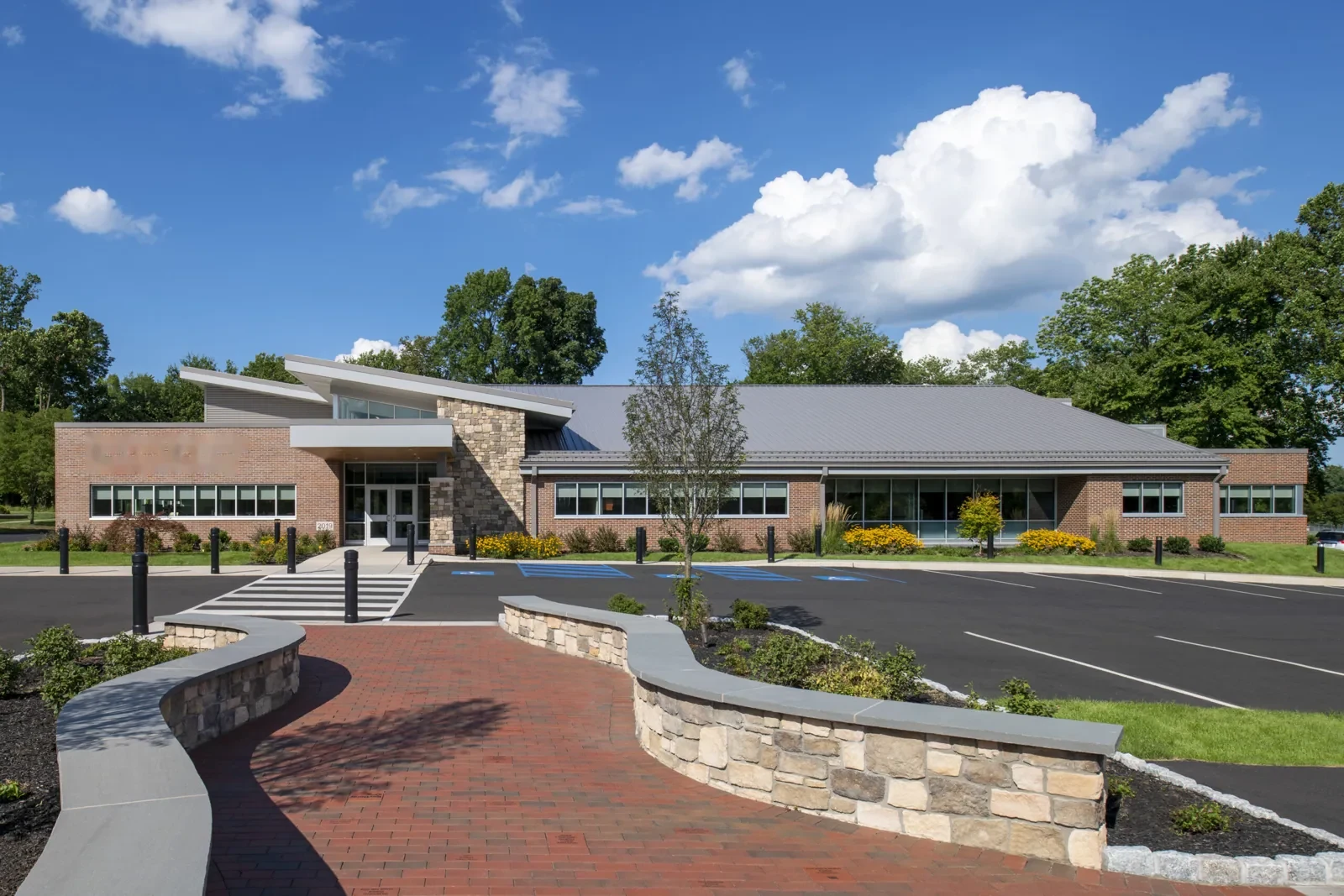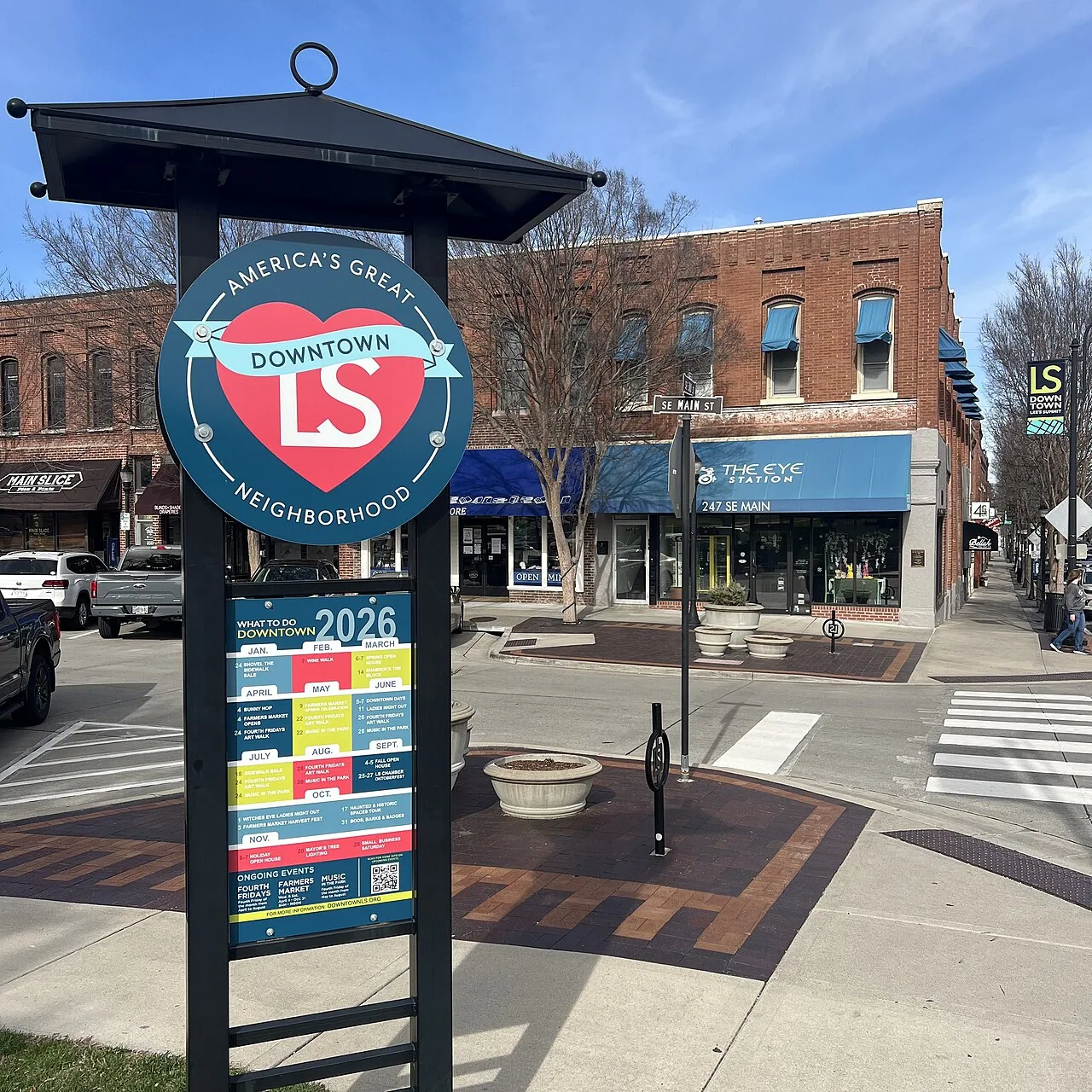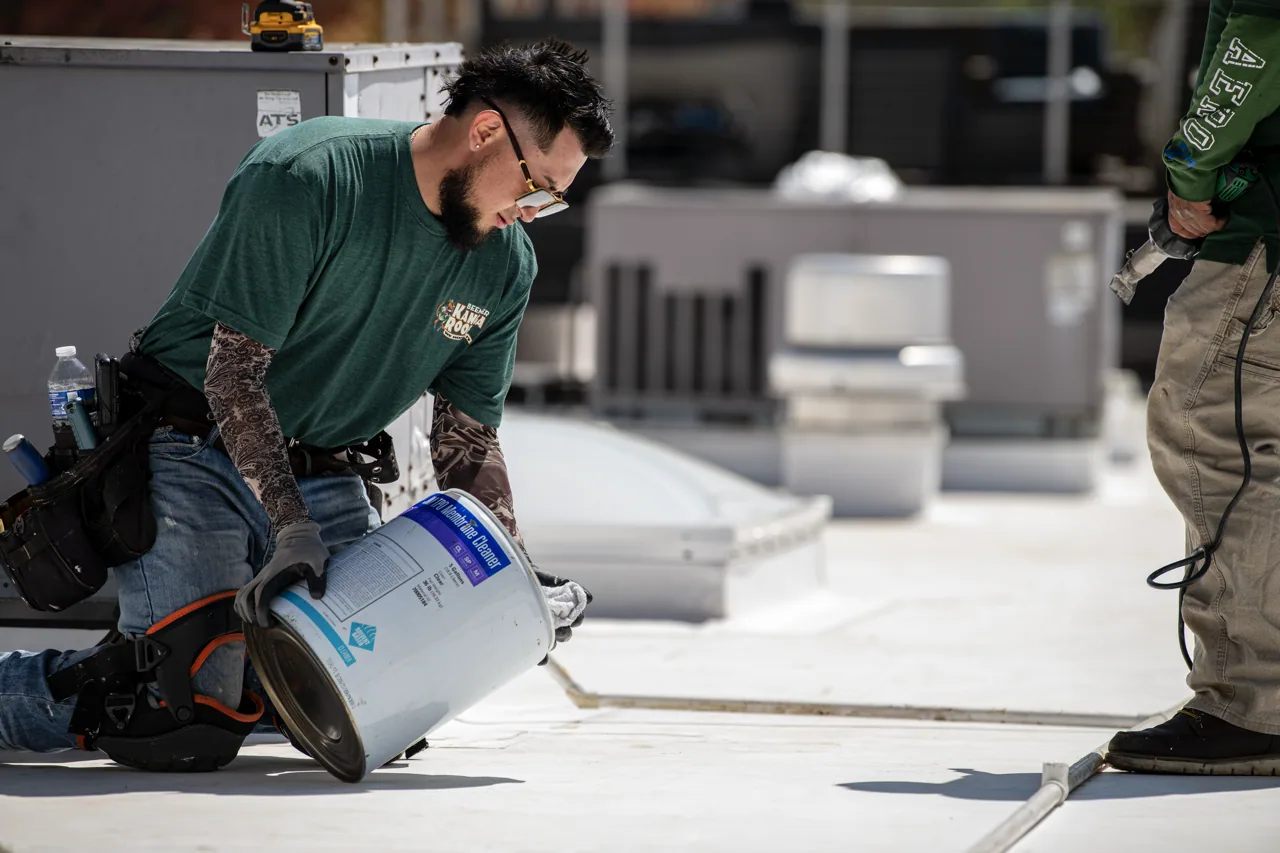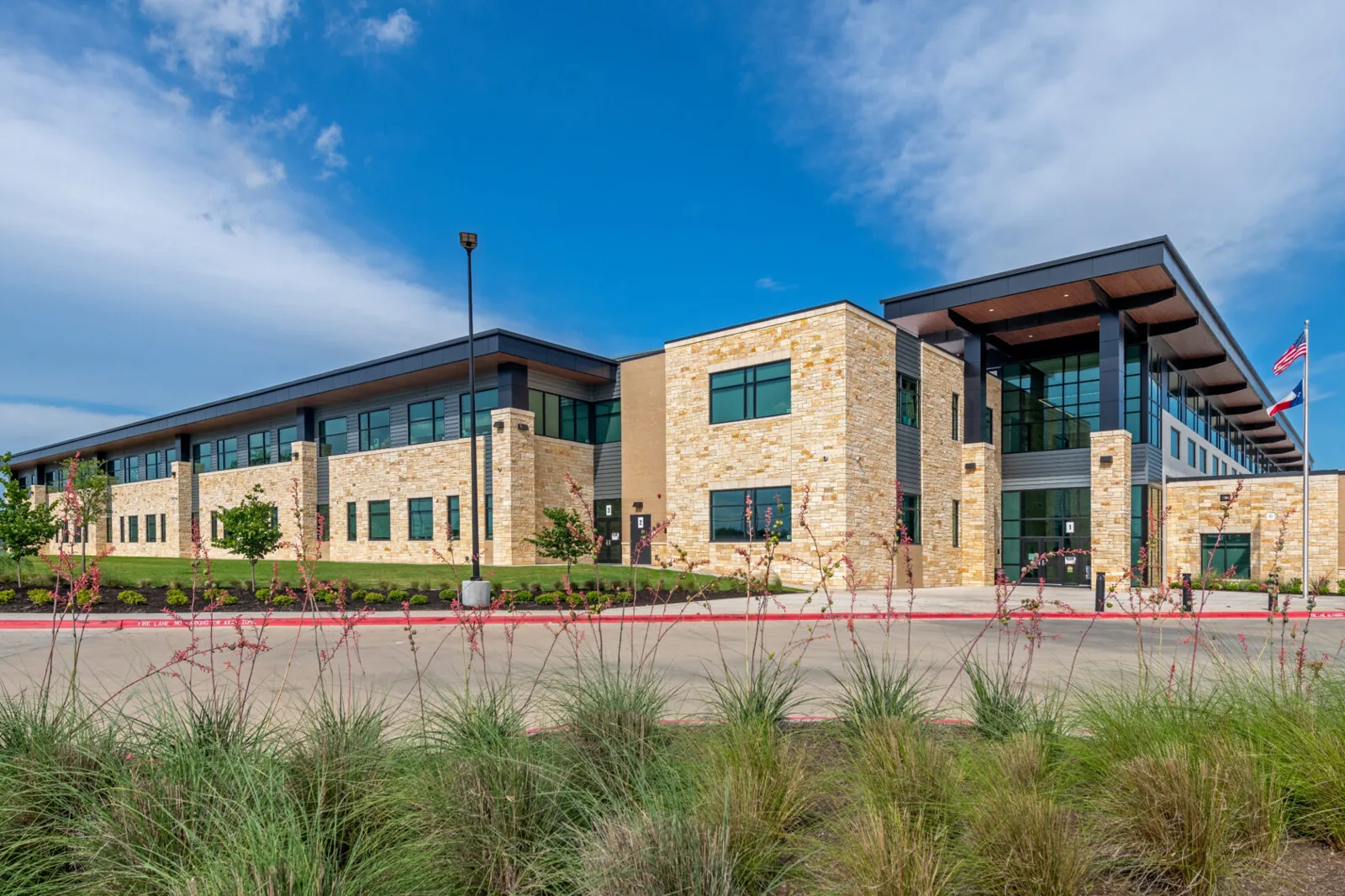

A public agency buys a roof in public, so the paper has to be as sound as the membrane. Scopes must compare across bids, budgets follow a fiscal calendar, and the work must proceed while the doors stay open to residents. We begin with the building list, the public hours and the approval path, then walk each roof to settle truck routes, material storage and the nightly sealing point. In Lee's Summit, MO and across Jackson, Cass and Clay counties, agencies run office buildings, maintenance yards, community centers, libraries and public safety facilities of every age. The roof's condition then points to a commercial roof repair or a planned replacement.
Elected officials, auditors and residents may all read the result, so we write for that audience: photographs first, plain words, and numbers that tie back to the roof.
Public money moves on a calendar. A roof that fails in March may not be funded until the next fiscal year unless it is treated as an emergency, and a request has to be written well before the budget is set. We help by producing a ranked list with photographs and a short, plain-language reason for each item, so staff can carry it into a budget hearing.
The list separates three categories: emergency repairs that stop water now, planned repairs that extend life, and capital replacements. Each carries a likely window and the reasons it could move. The roof condition report is written so that a council member reading it without a roofing background (the same format works for a school district board) can see what is at stake and why.
Grant and bond funding adds paperwork. Many programs ask for condition documentation, a cost basis and proof that the work follows the adopted code. A project submitted to the city on or after October 1, 2026 is reviewed under the 2024 I-Codes; earlier submittals stay under the 2018 set. We note which edition applies in the scope so the funding paperwork and the permit agree.
Bids compare only when the scope is clear. We write scopes with quantities by building, a named system and its limits, allowable alternates, unit prices for wet insulation and deck repair, and the closeout documents required. Allowances for unknowns are listed, so no bidder has to guess.
Purchasing rules vary by agency, and we work inside whichever path the agency uses, whether that is formal bidding, a cooperative purchasing agreement or a small-purchase threshold. The scope is separate from the price, so the agency can reuse it. Questions from bidders are answered in writing and shared with all.
When a general contractor holds the prime contract for a larger renovation, the roof scope is written to fit that contract and the dry-in date goes to the interior trades. The agency still receives one set of roof records at the end.
Some public buildings serve residents all day, and some, such as public safety facilities, serve around the clock. Counters, courtrooms, council chambers and dispatch rooms cannot go dark. We ask which spaces must stay in service and mark them on the drawing, then plan the work above them in small sections with extra protection.
Meeting nights, election days and public events go onto the calendar first, ahead of the work schedule. A chamber below an open section is covered beforehand, and a storm forecast on a meeting day closes that section. Staff are told where the crew will enter and which stairs they will use.
Security rules apply to public buildings. Contractors may need badges, escorts or background checks, and some areas, such as evidence rooms and server closets, are closed to the crew altogether. We ask for the rules at the start and put them on the crew list, so that no one is turned away on the first morning.
Public-facing signage and notices help residents understand a roof project. A short sign at the entrance naming the dates and the reason for noise, with a number for questions, reduces complaints to council offices and shows the agency is managing the work.
Public property covers very different roofs. The Courthouse Square Historic District in Harrisonville, the Cass County seat, is on the National Register of Historic Places, and the county seats of Liberty and Olathe have their own civic buildings. Historic buildings raise questions about material matching and review. Maintenance yards and storage buildings are often large, simple low-slope or metal roofs.
We treat each as its own roof. A historic building gets a records review and a small test area before material is chosen, and a yard building gets a drainage and fastener check. Where the roof belongs to a government building, the property-type specifics are worked into the same plan.
Public works yards and maintenance buildings deserve the same attention as civic buildings. A leak above a sign shop, a salt barn or a vehicle bay can damage equipment that the agency needs on short notice, and the roofs over them often have exposed fasteners and open eaves that need regular checks.
Public records mean that the roof file may be requested by a resident, an auditor or a reporter. We deliver dated photographs by phase, the approved scope, change orders with reasons, inspection results and the closed punch list in one package.
Storm response matters to agencies in particular, since a damaged public building affects service. Lee's Summit was warned on April 27, 2024 of 60 mph gusts and penny-size hail, and the forecast office at Pleasant Hill covers 37 Missouri counties and seven Kansas counties. After a warning, we walk the listed roofs in order of importance and document damage for any insurance or emergency declaration.
Mutual aid and shared facilities complicate ownership of the roof file. When two agencies share a building, the scope names which one approves changes and which one pays, and the record shows both. That small clarity avoids disputes when a leak crosses an office line.
That depends on the agency's own purchasing rules. We document the condition, the cause and the temporary measure so that the agency can justify its path, and we prepare the permanent scope for the normal process.
Alternates are priced options, such as added insulation or a different membrane, listed in the scope so every bidder prices the same choices. The agency selects them after seeing the prices.
The approved scope, photographs, material submittals, change orders, inspection records, warranty documents and the closed punch list. These support audits and later claims.
Roof work can usually proceed outside the building, but loud steps and parking disruptions are moved away from those events. The calendar is set at the start and updated when dates change.
Records are reviewed first, a small test area is opened and the review path is confirmed before material is ordered. The approach follows the building's status and any applicable review.
A walk of each roof with the agency's facilities staff, photographs of the main conditions, a note of access limits and a shared list of questions. The notes go to every bidder so they price the same facts.
Share the building list, public hours, budget dates and any open leak reports. We will walk the roofs with your facilities staff and write a ranked plan before any scope is priced.
Request a Roof Assessment