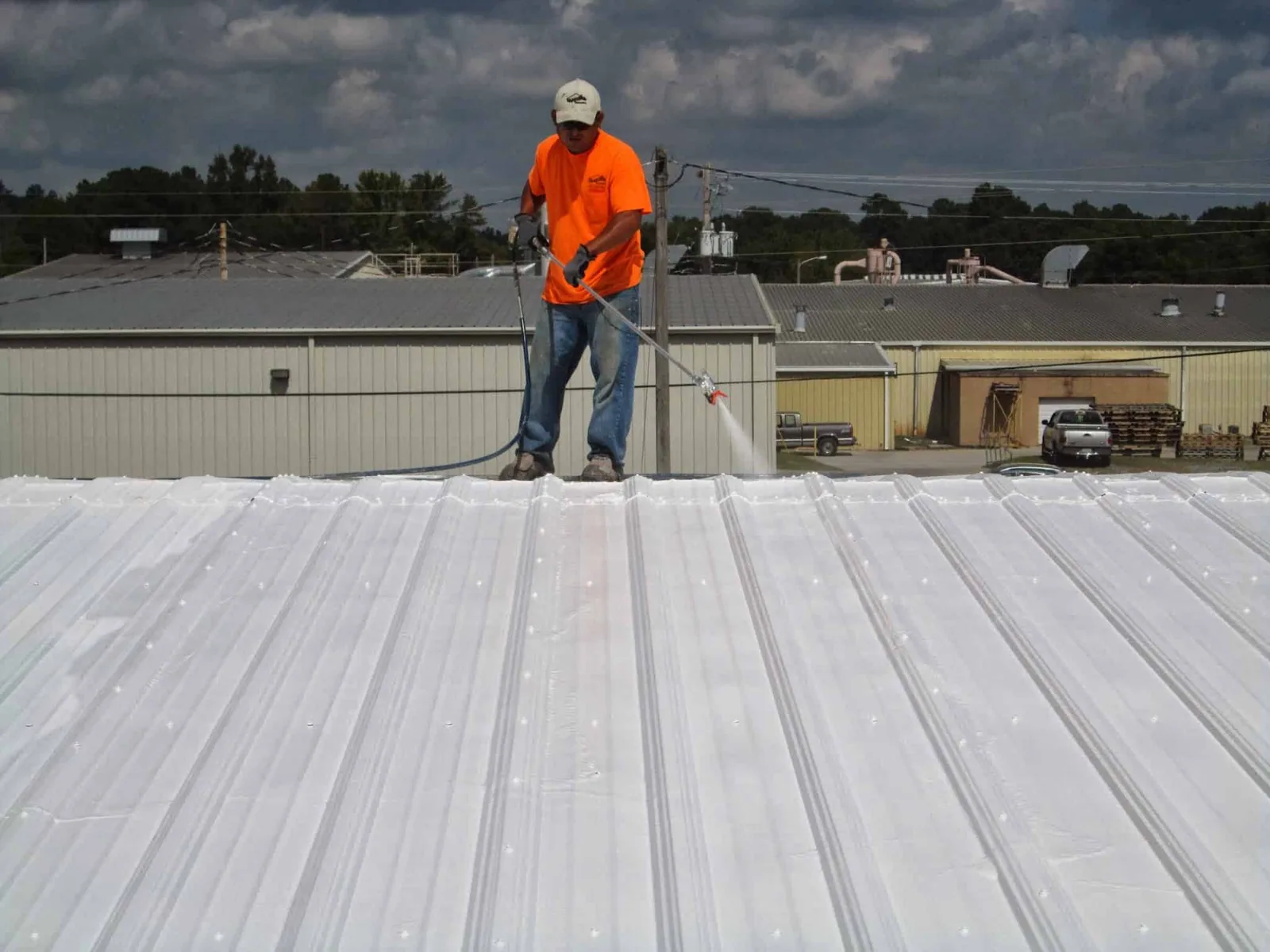
A silicone coating job spends most of its first day on cleaning. The roof is power washed, loose material is scraped, seams and penetrations are detailed, and only then does the coating come out of the drums. For a property manager the steps look like a short list: a notice to tenants, a water source and a drain plan, a dry window, and a roof that stays in service while it is restored. In Lee's Summit, MO, silicone is the liquid-applied option that tolerates standing water, and that makes it a candidate for flat roofs that hold ponds after a spring rain.
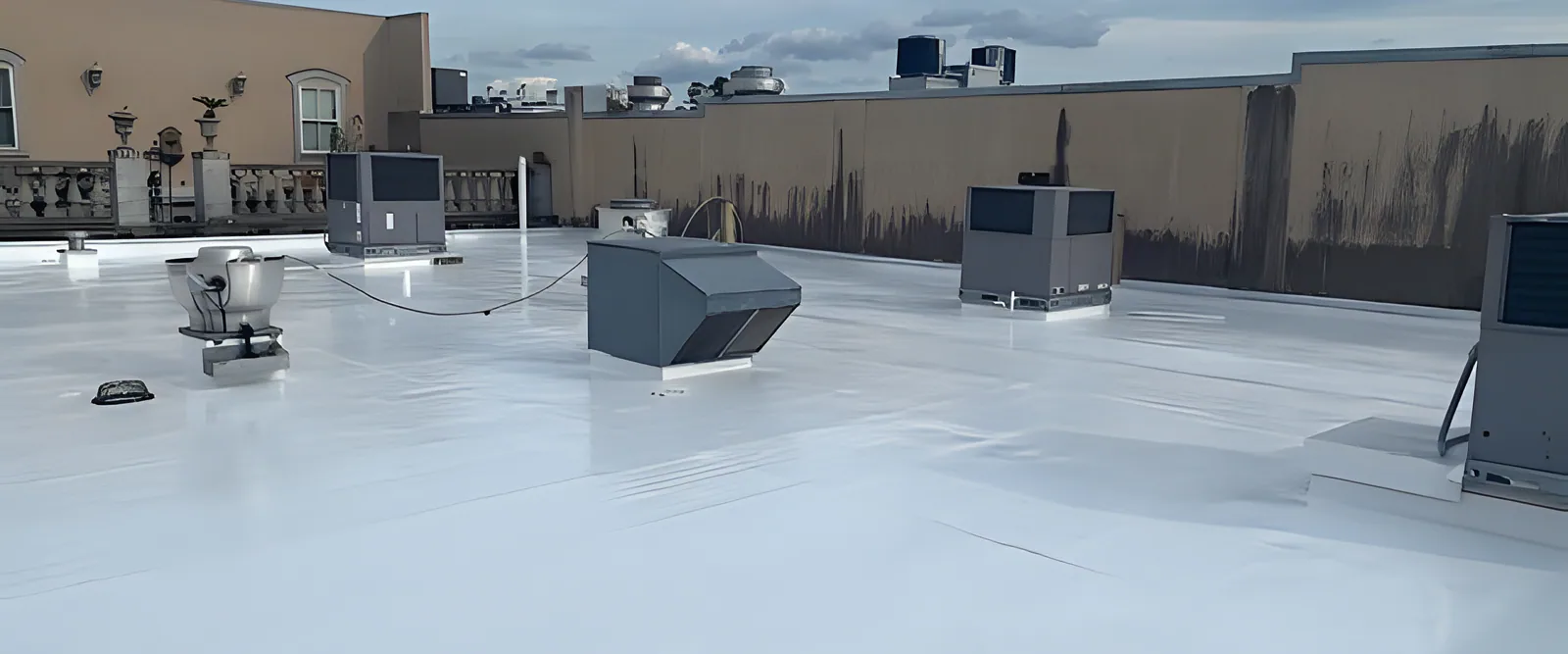
Silicone coatings are fluid-applied polymers that cure into a rubbery, waterproof skin. The coating is rolled or sprayed in one or two coats over a prepared roof, and the thickness is measured in mils as the work proceeds. Unlike many coatings, silicone does not break down when ponded water sits on it, and it keeps its flexibility through hot and cold swings.
It is white or light gray, so it reflects sunlight. On a roof where July means 88.3F highs and a record of 108F, that reflectivity lowers the roof surface temperature and the thermal stress on the membrane beneath. It is also vapor permeable to a degree, which lets small amounts of trapped moisture escape instead of blistering the coating. The tradeoff is dirt: silicone attracts and holds dust, so a periodic wash keeps the roof bright.
Thickness is the number that matters most. A coating laid thin ages quickly, so we mix by the drum, track how many gallons go onto each section of measured area and take wet-film readings as the crew works. Those readings go into the turnover package alongside the photographs, so the next inspector knows what was applied and where.
Coating performance is mostly decided before any coating is mixed. The surface has to be clean, dry and sound, and old roofs bring contaminants of their own: oxidized granules, mildew, oil residue from exhaust and in some cases leftover coating from a past restoration. We wash, scrape and treat, then apply a test patch on a small area and check adhesion after it cures.
Compatibility is the other half. Silicone does not bond to some other coatings, and nothing sticks well to it afterward, so the previous coating type must be identified before the product is chosen. If the roof is a metal panel system, metal roof retrofit work on the fasteners and laps comes first. If it is a single-ply membrane, seam probing and core cuts tell us whether the old sheet is a sound base. A wet base never gets coated: an infrared scan and cores confirm the insulation is dry.
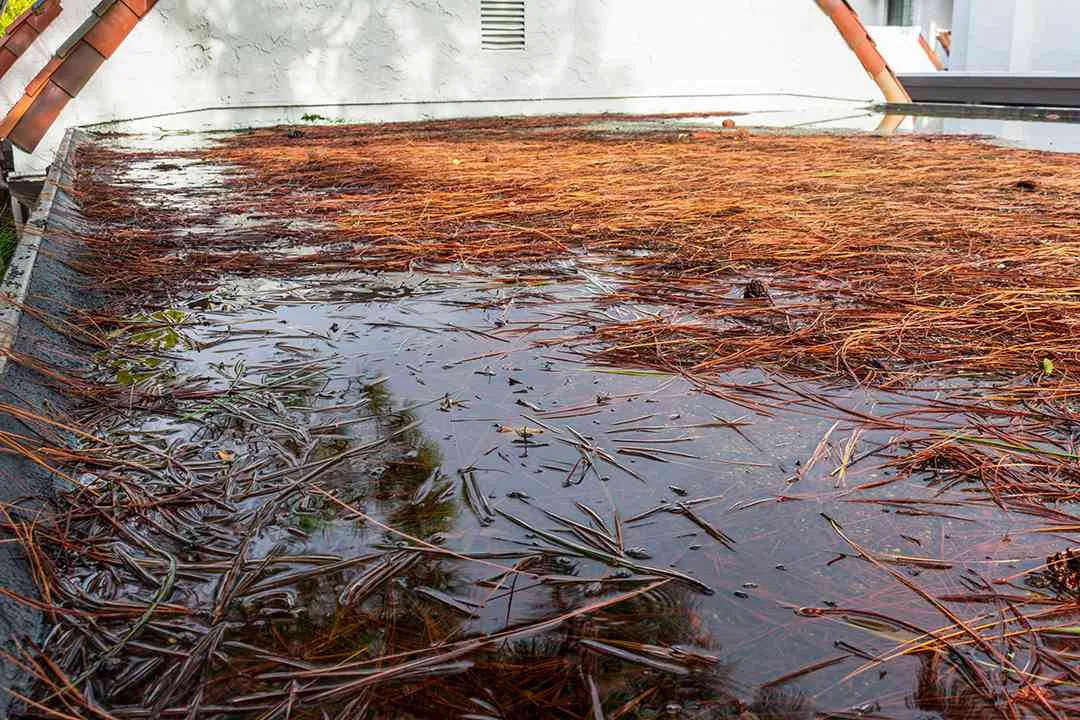
Silicone's strongest use is on roofs that pond. Low spots form where decks have deflected, drains have been blocked or the original slope was minimal, and many coatings fail within a few seasons of sitting in water. Silicone shrugs it off, so the coating can go over the whole field and bring the ponded area into service without a tear-off.
Coating does not fix the cause. A ponding area that keeps growing may point to a structural problem or to a failed drain, and the survey records the depth and the drain condition. Where the cause is a drain issue, roof drains and scuppers are repaired or added with the coating work, since a sump retrofit at the low spot costs little when the crew is already on the roof. The ponding water roof repair scope is written to match the findings.
Silicone cures by reacting with moisture in the air, so it tolerates humidity better than many coatings, but it still needs a surface free of rain and heavy dew. The area records about 38.34 inches of precipitation a year, and the spring storm window is the stretch when the weather hold rule is invoked most. A section is only started if the forecast gives a dry period long enough for the coating to set up.
Wind is a factor in spray applications, and the April 2024 thunderstorm warning for Lee's Summit mentioned gusts of 60 mph alongside small hail. Hail can bruise a coating, and a repair after a storm means cleaning and recoating the damaged spot. Winter temperatures, with a January high near 39F, slow curing and limit cold-season work, so the plan lists which scope waits for spring.
Coating produces less debris than a tear-off, and the building keeps running. Even so, there are real tenant matters: odor at air intakes, a hose and equipment staging footprint, and foot access to the roof ladder or hatch. The notice we write names the work zones by day and the hours the crew is on the roof. Dock and entry hours set the material delivery times, and the staging area sits where trucks do not block the loading doors.
For a retail or office building along US 50 or I-470, the work is divided into sections that can be washed, detailed and coated within a dry spell. Each section is closed the same day, which keeps open seams from meeting an evening shower. Interior areas below the work are checked for any leak that appears during the process, and the punch list records them. This is a good fit for occupied building reroofing planning, since the building rarely needs to empty.
A silicone restoration is the right answer when the existing roof is dry and fundamentally sound. When the insulation is saturated or the membrane is failing across the field, the coating would only hide the problem, and a commercial roof replacement is the better route. The written report shows the roof areas in each category, so budget years can be planned.
The code side is simple but worth noting. Permit rules follow the date a project is submitted to the city, with the 2024 I-Codes applying from October 1, 2026. A coating job that changes the roof covering may need a permit, so we check with the city. An owner in Lee's Summit can compare silicone with acrylic in the same report, with the cost and the expected recoat interval side by side.
It bonds well to many substrates, including metal, modified bitumen and some single-ply membranes, once cleaned and primed as needed. A test patch settles the question on each roof before the full coating begins.
Light traffic is usually possible once the coating has cured to the touch, and the data sheet sets the exact time. Rooftop unit service resumes on the schedule written into the plan.
It holds dust, and a seasonal rinse restores most of the reflectivity. We note the roof's wash plan in the turnover package.
The type of old coating decides the prep. An acrylic base generally accepts silicone after cleaning and a bond test, while an incompatible one may need a primer or removal.
Seams and flashings are reinforced first with fabric and sealant, and the coating is applied over them. Coating alone does not seal an open lap or a split seam.
Send the building address list, tenant hours and any open leak reports. We will walk the roof with the property manager and return a written sequence plan for the silicone scope before any price is set.
Request a Roof Assessment