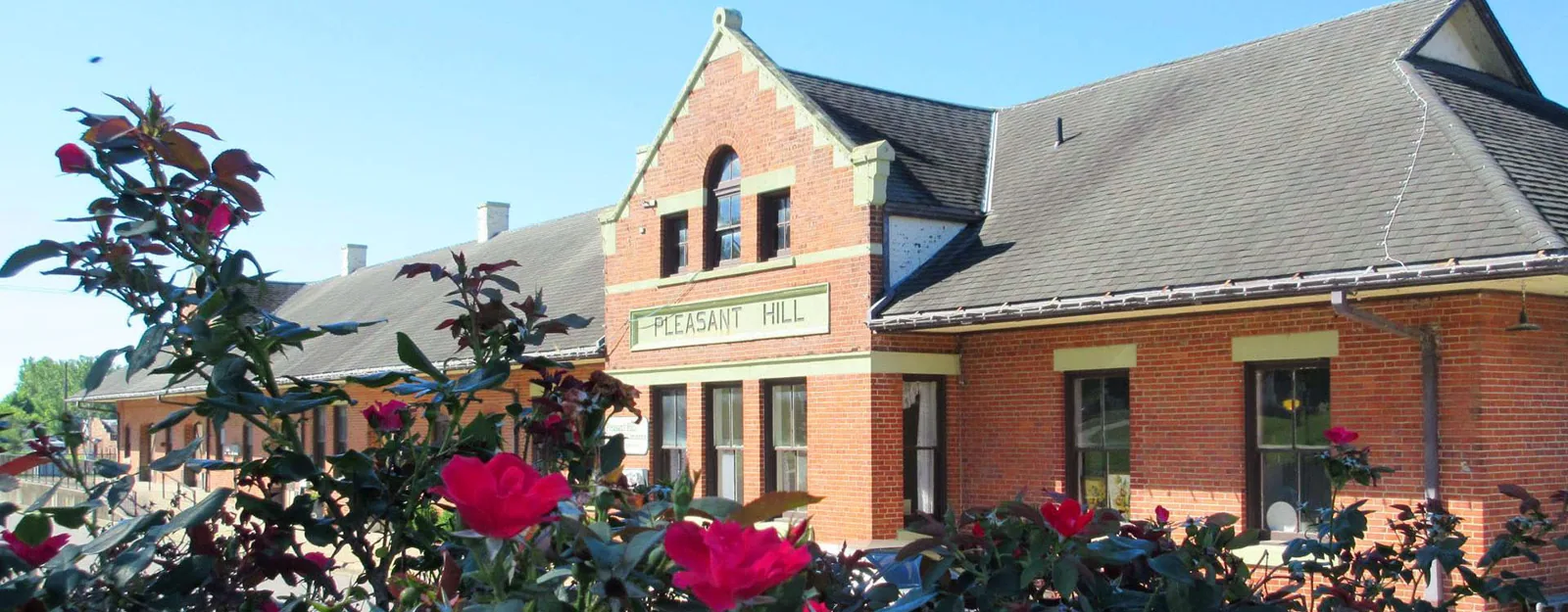

A roof schedule in Pleasant Hill, MO follows the warning cycle, because the National Weather Service office that serves 37 Missouri counties and seven Kansas counties is located in the city. When that office issues a severe thunderstorm warning, a crew with an open section on a roof has minutes, not hours. So the plan names the dry-in point before the first cut and gives the foreman the authority to stop. The tenant notice, the closed entrance and the truck route come first, and the roof condition decides how large a section can safely be opened.
Section size depends on what the roof can take. A sound, dry deck with simple flashing allows a larger section because the dry-in is quick. A roof with many curbs, a wet area or a complicated parapet needs smaller sections, since every tie-in takes time to seal. We read the roof first and set the size from that reading.
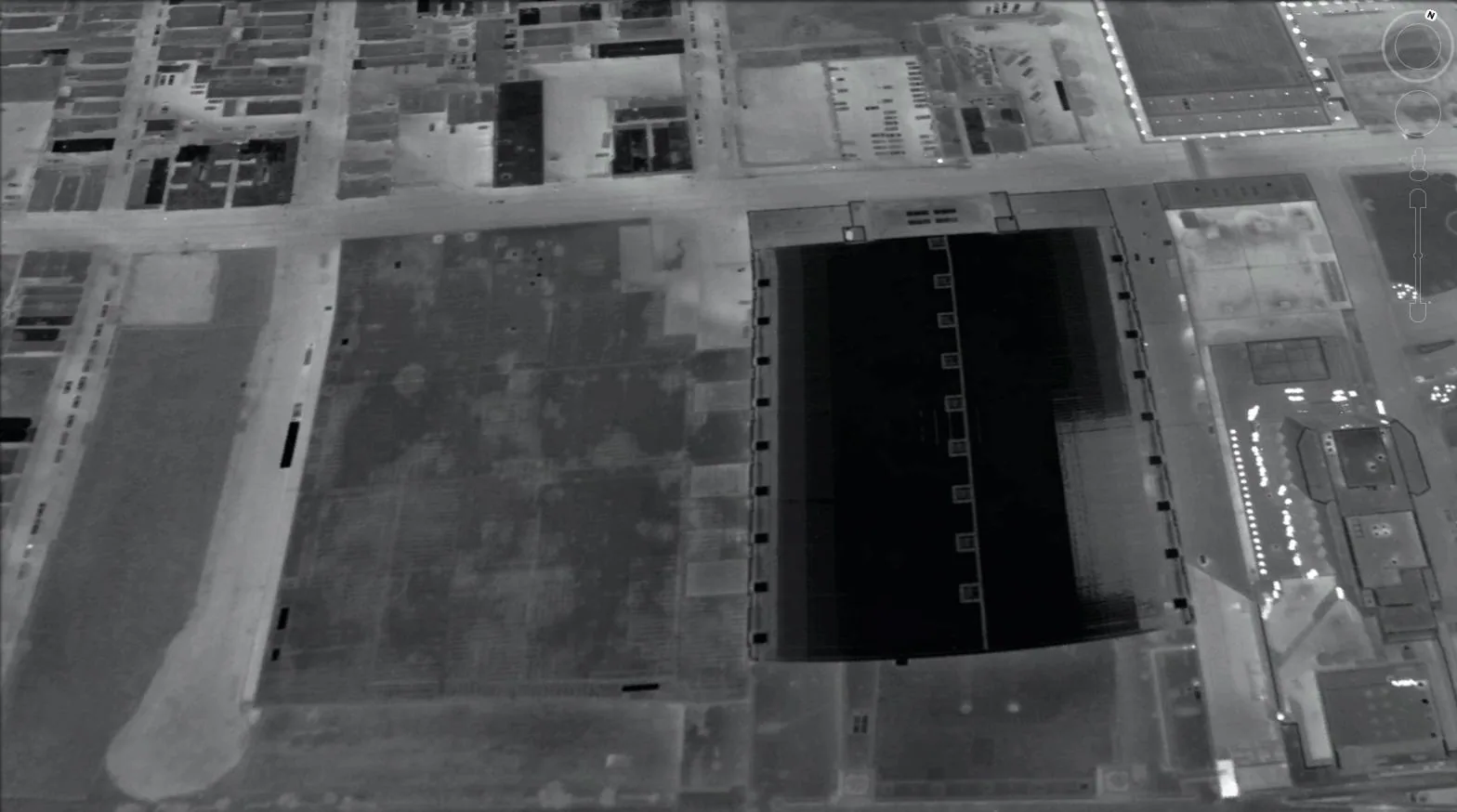
The walk starts with drains, scuppers and any ponding ring, then seams, laps and flashings, then edge metal and coping. Photographs are tied to a drawing. Where wet insulation is suspected, a core cut and a moisture reading show how far it reaches, and an infrared moisture survey maps the whole roof without opening it. The result sets the repair boundary and the phase size together.
Age of a repair matters as well. A patch that has been in place for several seasons shows how the roof moves: whether the edges are lifting, whether sealant has hardened, whether water is still getting in beside it. We note every patch on the drawing and open the oldest one to read what lies beneath. The answer often explains why a leak keeps returning to the same ceiling tile.
Missouri Routes 7 and 58 intersect in Pleasant Hill, and a property near that crossing can see heavy traffic at shift change. We time deliveries to avoid it. The notice goes to every tenant a few days ahead, naming the first day on site, the entrance that will be closed and the hours of loud work. Staging is marked away from fire lanes and customer stalls.
The city had 8,777 residents in 2020 and sits about ten miles southeast of Lee's Summit, MO, so crews arrive from a known direction and distance. That fixes the earliest delivery and the latest safe time to leave a section open. The manager receives both times in writing before we confirm the date.
The first-morning walk settles the questions that cause trouble later. Where does the foreman park? Which door does the crew use for restroom access? Who holds the key to the roof hatch, and at what hour? Each answer goes on the notice, so the tenants know the same things the crew knows.
On April 27, 2024, the Pleasant Hill office warned that Lee's Summit could see 60 mph gusts and penny-size hail, with damage to roofs, siding and trees expected. Lee's Summit averages about 38 inches of precipitation a year. The warning is the kind of event the hold rule is written for.
When a warning is issued, the foreman stops the work, seals the open edge and ties down loose material. The crew leaves the roof and the manager is told what was closed. Afterward, the first walk covers coping, edge fasteners and curb flashing. A hail damage check follows, looking for bruised membrane and dented metal before the next rain.
Heat is the other seasonal limit. Lee's Summit reaches a July mean high near 88F and a record of 108F, and a dark membrane can be far hotter than the air. Crews work early in the day on hot afternoons, and adhesives are applied within their stated temperature range. In winter the January mean high of 39F slows curing, and some work waits for a milder day.
Sections are ordered from the area with the most urgent leak outward. Each handoff includes a photo, a note on what was closed and a reminder of the next opening. If a tenant needs access to the roof, such as a refrigeration technician, the foreman coordinates the time so both trades stay safe.
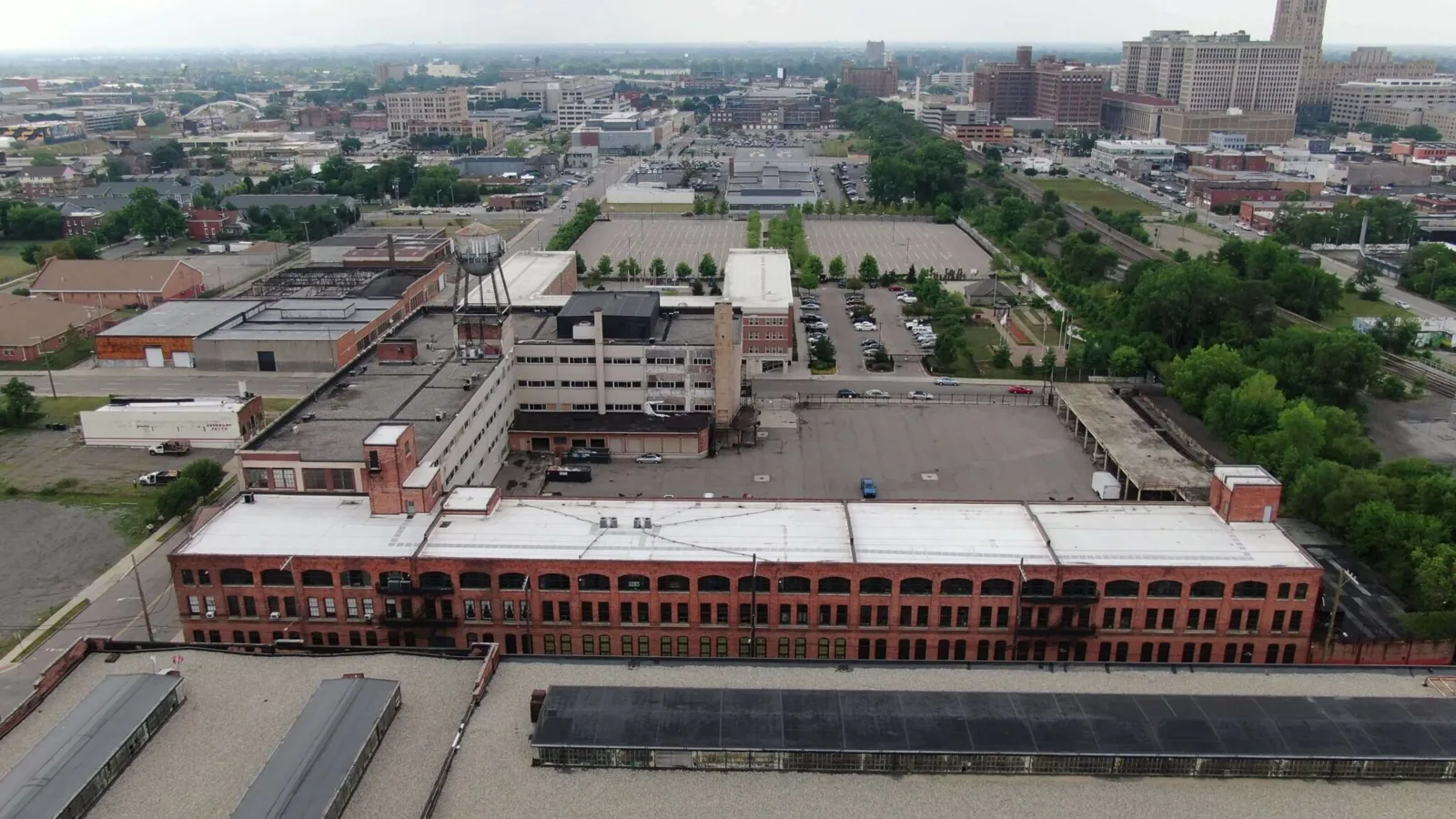
For a full replacement the sequence also lists the tear-off order, the insulation delivery and the membrane install, with the dry-in point after each. A commercial roof replacement on an occupied building follows that cycle daily. Smaller repairs use the same notice and a shorter plan, so a manager always knows when the crew arrives and when it leaves.
The sequence also covers how problems are reported. If the crew finds wet insulation that was not visible before, the foreman stops, photographs the area and tells the manager the same day. Whether to widen the scope is the manager's call, and the change goes on paper before more material goes down. Nobody should learn about a larger scope from an invoice.
The hoist stands where it can reach the roof without crossing a receiving door. The container sits where the hauler can load it without backing over a customer lot. Walk pads are laid on the route from the hatch or ladder to the work, so foot traffic does not scuff the membrane.
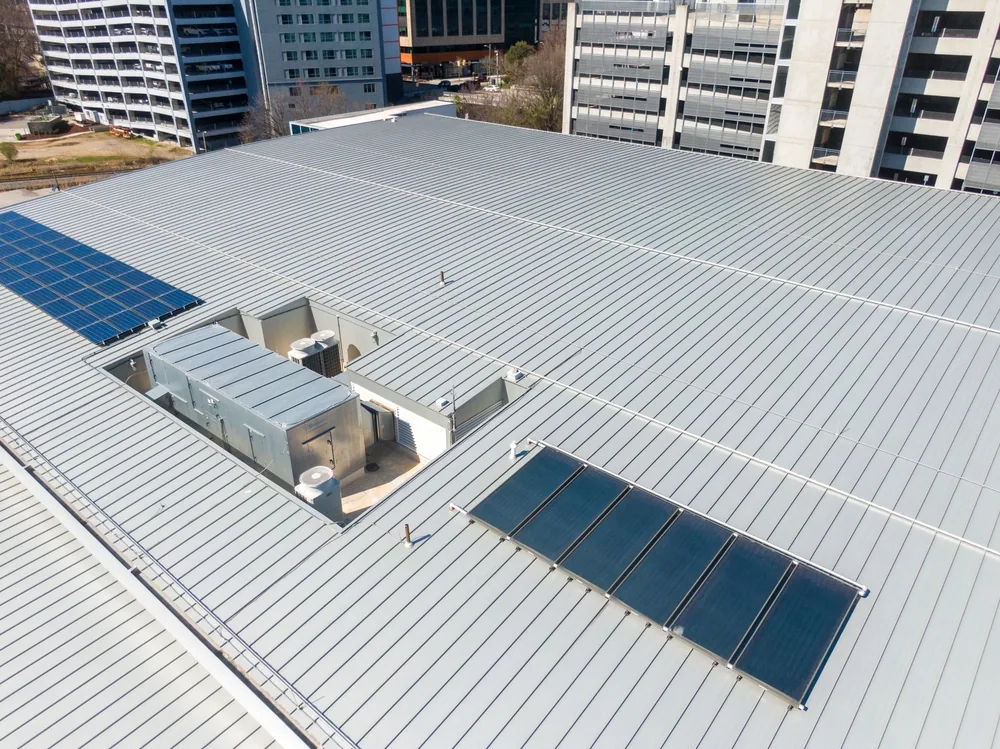
Material comes up in the order it will be used. Insulation first, then membrane, then flashing stock and sealants. Rolls stay dry and nothing is left loose overnight. Where a roof needs new rooftop unit curbs, the mechanical contractor and our foreman agree the lift, the shutdown hour and the tie-in before the day begins.
The turnover package lists the areas opened and closed, shows the layers found in photographs and ends with a punch list for any return trip. It also points the next walk at the drains after the first hard rain and the curbs after the first stretch of heat.
An owner with buildings in Harrisonville or Lone Jack can keep the same package format for each address, and a roof condition report lets the manager compare buildings without rewriting the questions each time.
One more habit helps: the manager is asked to send any new leak report within a few days of turnover. A leak that appears right after repairs may be a separate opening, and the sooner it is traced, the smaller the second repair is. The manager keeps one copy and the foreman keeps another.
The dry-in point is set so the open area can be sealed in a short, known time. Section size is chosen to fit that time.
The foreman, under the hold rule in the plan. The manager is told immediately and receives a note on what was sealed.
A tenant notice, a staging drawing, a phase plan and the hold rule. Each is reviewed on the walk.
Yes, in phases. Each section is stripped, rebuilt and sealed the same day, and tenants get a notice before each phase.
Perimeter metal, curb flashing and drains, in that order. Photographs record each item before the next rain.
Send the building address list, tenant hours and any open leak reports. We will walk the roof with the property manager and offer a written sequence plan before any scope is priced.
Request a Roof Assessment