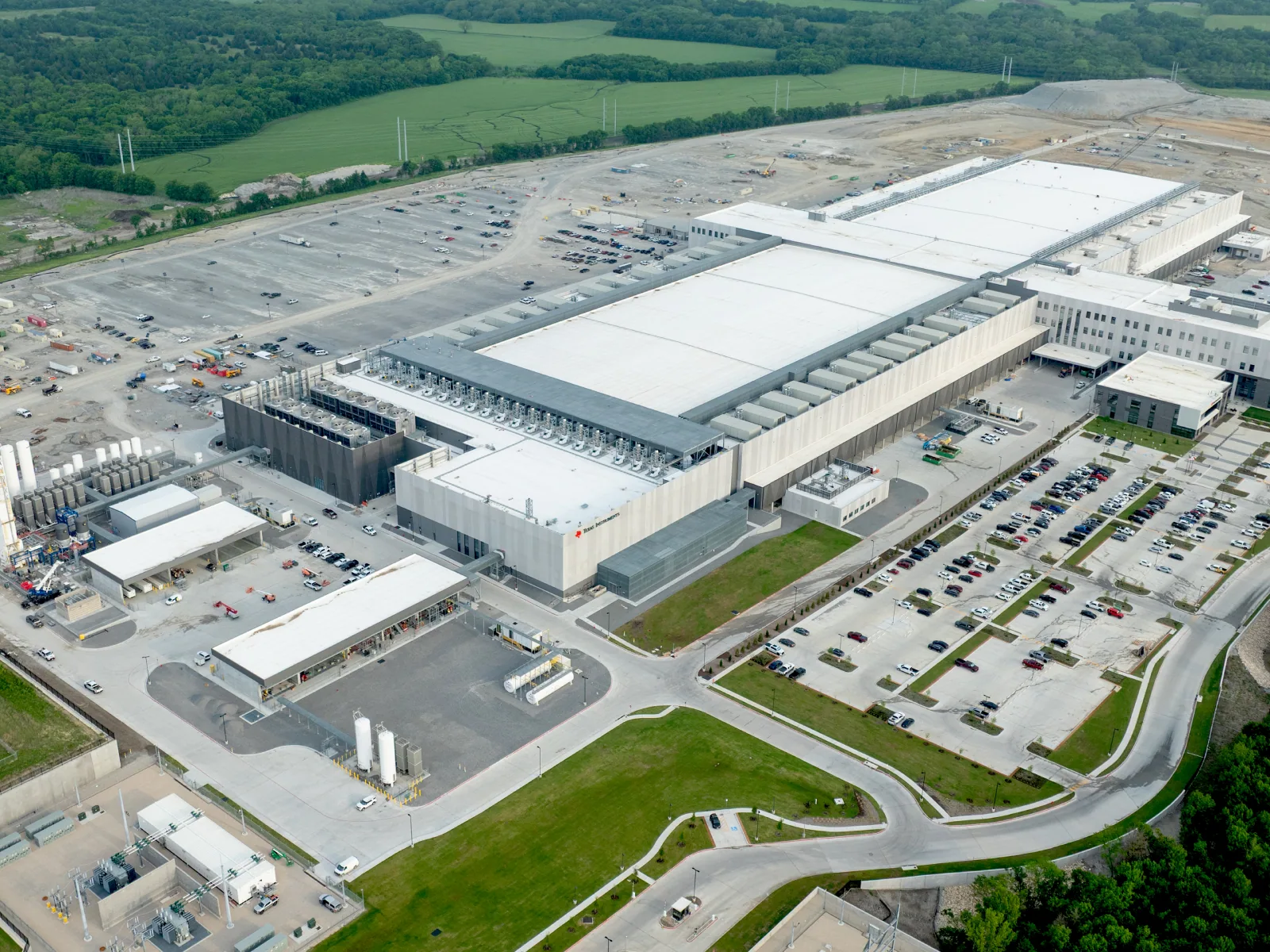
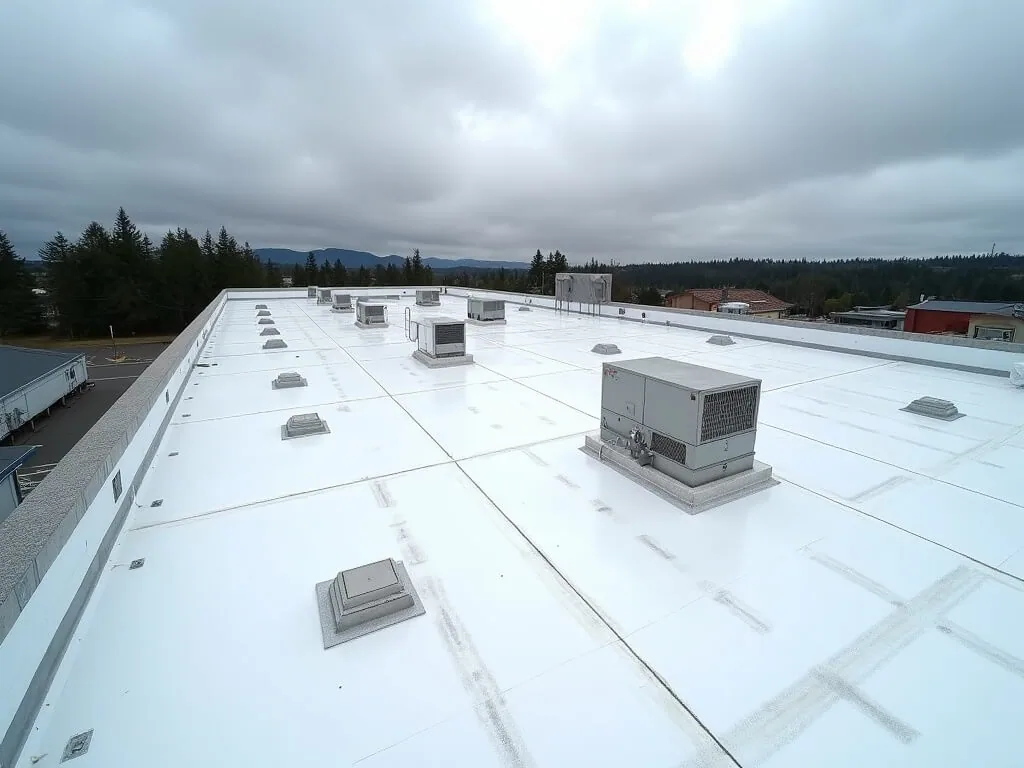
A plant roof is scheduled around the production calendar, not the other way round. Shift changes, shipping cut-offs, line shutdowns and maintenance outages decide which days a crew can use the yard, the dock and the roof hatch. The first step is a day-one site walk with the plant engineer to settle where trucks and hoists go and how each bay is sealed for the night, and to learn which lines sit under which roof bays. In Lee's Summit, MO, manufacturing is among the city's top industries, alongside health care, retail, professional services and education. From there the roof's condition suggests a commercial roof repair, a recover or a phased replacement.
What happens below the roof sets the risks above it. A dry packaging line tolerates a drip very differently than a paint booth or an electronics assembly cell.
Most plants have two kinds of windows: the weekly quiet, such as a weekend or a night shift with reduced activity, and the planned outage, often a holiday week or an annual maintenance shutdown. We ask for both and place the loudest and riskiest roof steps inside them. Tear-off above a sensitive line goes in an outage, and detail work on a lightly used bay can run during a normal week.
Where a plant cannot stop, the roof is divided so that a bay can be opened and closed in a single shift. The phase boundary follows the line layout or the column grid. Each bay has an agreed dry-in time, and the crew leaves it sealed whatever the schedule says.
Supply planning matters as much as labor. Membrane, insulation and metal for a large roof are delivered in stages, and the staging area has to avoid truck courts and dock doors. We agree delivery times with the shipping supervisor so inbound roofing trucks never block outbound product, and a spotter handles each delivery. If a delivery slips, the plan holds the schedule by shortening the open area instead of leaving it exposed.
A plant expansion changes the picture. When a general contractor is adding a bay or a dock, the roof tie-in has to be sequenced with the structure, and we work from the contractor's schedule so the new roof and the old one meet without a gap.
Exhaust from process equipment lands on the roof, and what lands there ages the membrane. Oils, solvents, acids and high-temperature discharge attack some membranes and leave others alone. A grease or chemical stain near a fan is a sign of what the sheet is being asked to resist.
The first walk logs every exhaust point and the surface around it. If a membrane near a discharge is softening or blistering, a chemical-resistant system such as PVC or KEE may be proposed for the affected area, with a sacrificial pad or an extended stack to move discharge away. The decision is based on what the exhaust contains, which the plant engineer tells us, not on assumption.
Condensation is the other chemistry problem. Plants with wet processes, washdown areas or humid air push moisture up into the roof assembly, and in cold months it condenses on the underside of the deck. The result looks like a leak but is not one. A moisture survey and a look at the exhaust and ventilation separate the two, and the fix goes where the cause is.
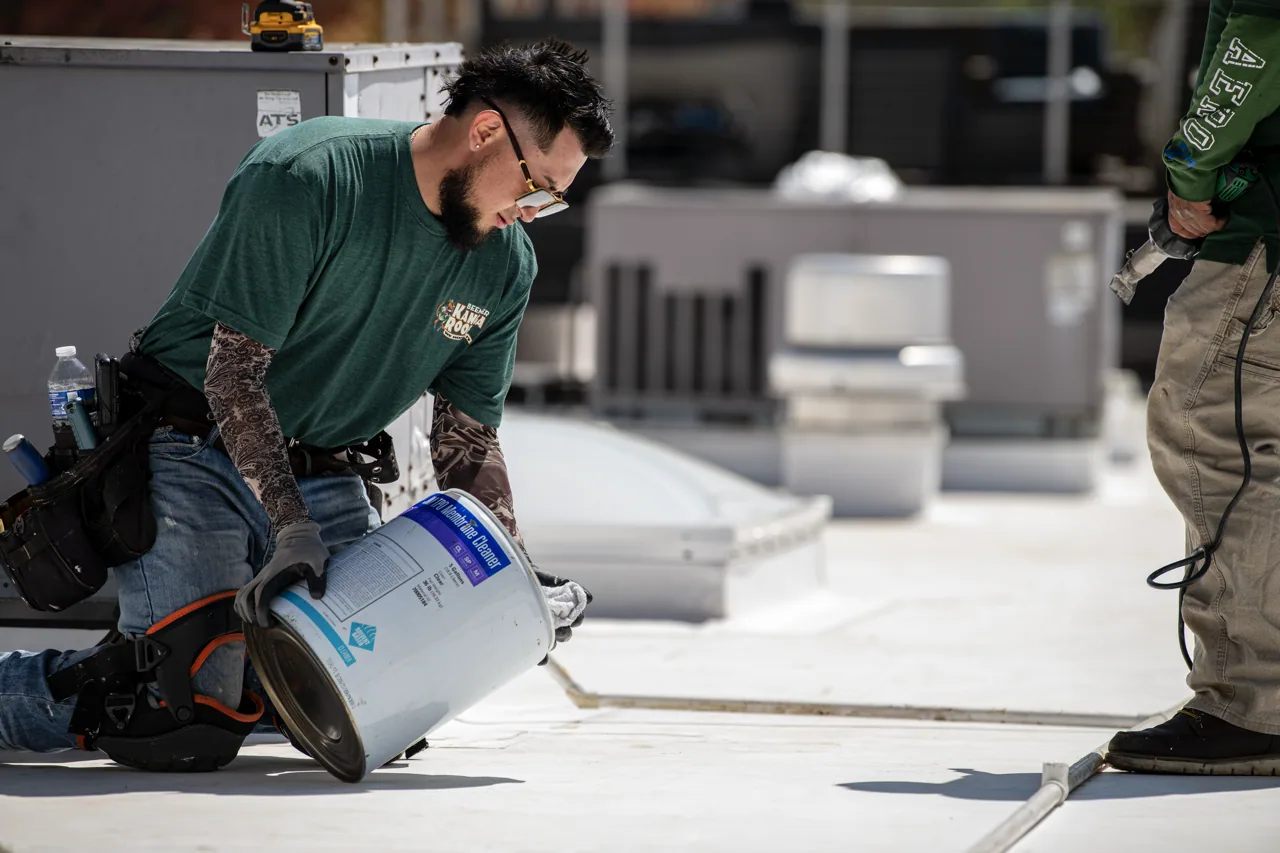
Manufacturing sites run permit systems for hot work, confined spaces and fall protection, and a roofing crew works inside them. A torch, a hot-air welder or an asphalt kettle each needs a permit, a fire watch and a cool-down period. Plants with combustible dust, solvents or lubricants may restrict open flame altogether.
We therefore favor cold-applied, adhered or mechanically attached systems where the rules call for it, and we confirm the permit process during the first walk. The fire watch is assigned by name, and the watch period after hot work is written on the schedule. Sprinkler piping and sensors under the deck are located on the drawing before fasteners go in.
Dust control is a quieter risk. Tear-off releases grit and fibers that settle on product, filters and equipment if air handlers draw them in. We locate intakes before work begins and either cover them, move the work away from them or coordinate short shutdowns with the plant, depending on what the process allows.
Industrial roofs, whether on a manufacturing plant or a smaller flex industrial building, carry heavy rooftop equipment, ducts, conduit runs and sometimes crane rails or monorails tied into the structure. Repeated service traffic wears the membrane along the route to each unit, and a path of scuffed, thinned or punctured sheet usually shows the way. Walk pads and relocated equipment curbs fix that problem for good.
When added roof weight is under consideration, such as a recover or a new unit, we ask for structural information first. Employers named around the metro, from Peterson Manufacturing and Ruskin Company in Grandview to Fike Corporation in Blue Springs, are among the plants in the area, and each building has its own structure and its own limits, so the drawings and the deck are read before any weight is added.
Drainage on a wide industrial roof is the quiet determinant of life. A roof that ponds water above a heavy line is at risk from both the leak and the load, since a few inches of water across a bay weigh a great deal. We check slope toward drains, test the drains and propose tapered insulation where positive drainage is missing.
The spring storm window affects plants like anyone else. On April 27, 2024 Lee's Summit was warned about 60 mph gusts, penny-size hail and damaged roofs. A leak that reaches a line costs production, so the weather hold rule closes every open bay before the forecast turns.
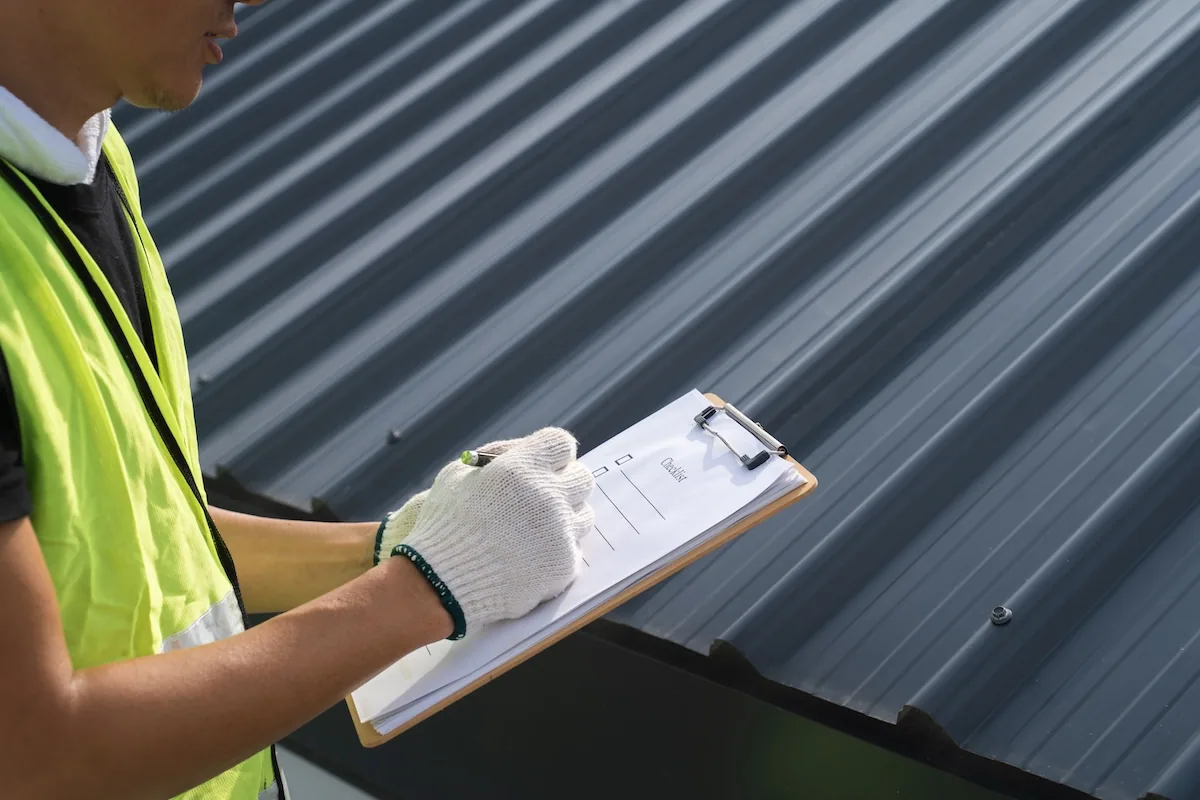
The turnover package gives the plant engineer dated photographs by bay, the drawing of changes, the closed punch list and warranty documents. A roof condition report after completion becomes the baseline for the next maintenance cycle, and the file is structured to be handed to the next engineer or the corporate facilities team without rework. A company that also runs distribution can share the format with its logistics operations.
Often, yes, with the roof opened in bays that match the line layout and closed in a single shift. Outage windows are reserved for the steps that carry the most risk to production.
Local protection above the equipment, a smaller work section and a leak watch during and after the work. The plant engineer identifies the sensitive equipment, and we mark it on the drawing.
A chemical-resistant sheet, usually PVC or KEE, is the first candidate, along with a sacrificial pad. The exhaust composition from the plant engineer settles the choice.
The plant issues them and our site lead follows them. A fire watch is named for each shift and the watch period is recorded.
Photographs by bay, the as-built roof drawing, warranty documents and the closed punch list. We provide them in a structure that can be filed against the plant's asset register.
Send the plant layout, production calendar, outage dates and any open leak reports. We will walk the roof with the plant engineer and write a bay-by-bay sequence plan before any scope is priced.
Request a Roof Assessment