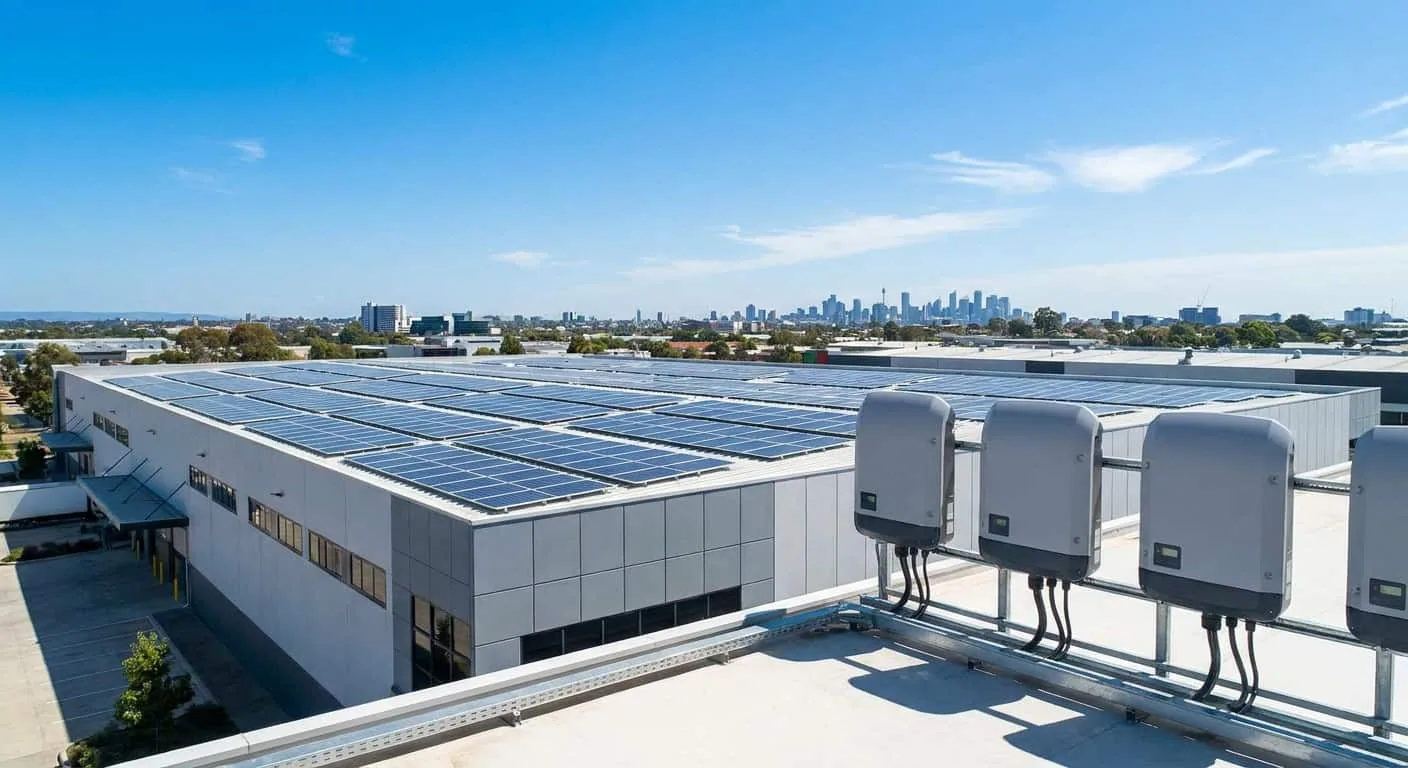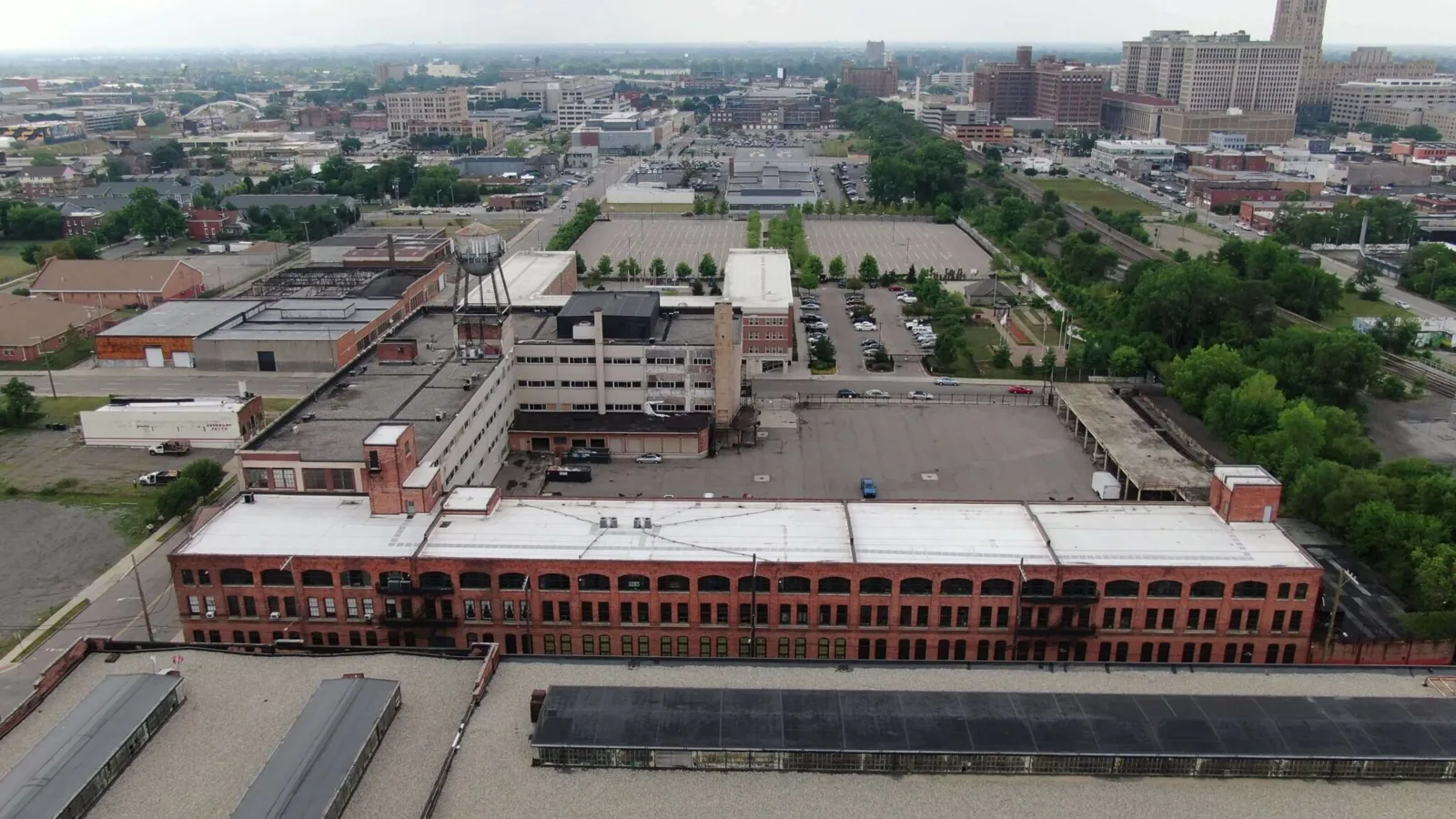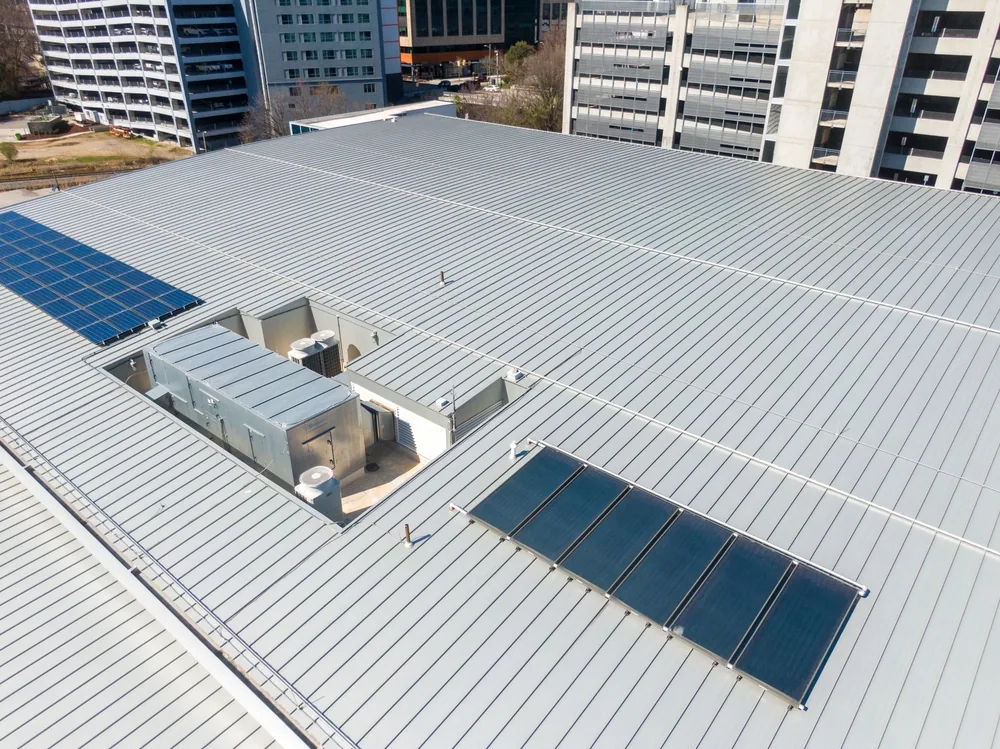

The order of operations on a solar roof is simple to state and often reversed: roof first, array second. A panel field is expected to stay up for decades, and a membrane under it that has ten years left will force the whole array to be lifted and set back down long before the panels are worn out. In Lee's Summit, MO a property manager along I-470 or US 50 who is weighing solar may start with the electrical bid. We start with the roof beneath it, because that is the part that can be cheaply improved while the deck is still clear.
The first question is how many years the existing roof has left. If it is near the end, replacement before installation is the sensible route, and a commercial roof replacement can be sized and detailed with the array in mind. If it has useful life, a restoration or targeted repair may carry it through, but only if the remaining years match what the owner expects from the panels.
We read the roof by walking it, probing the seams, checking for wet insulation and measuring the surface wear. That reading goes into a short comparison for the owner: replace now and plan the array on a fresh roof, or install now and accept an array removal and reset later. A reset costs real money, since every panel, rack and conduit run comes off, is stored, and goes back on. An owner who sees that number early can weigh the new roof first on its merits. We also look at drainage: an array that blocks flow toward a drain or scupper can turn a shallow low spot into a ponding area, so the layout and the slope are compared before racks are placed.
A solar array adds weight, concentrated at its mounting points, and it changes how wind acts on the roof. Ballasted racks sit on the surface and hold themselves down with weight, which spares the membrane from penetrations but loads the deck. Attached racks bolt through the roof, which lowers the weight and adds a flashing at every post. A structural engineer sets the capacity, and the roofing plan follows what the engineer allows.
Wind matters on this side of Missouri. The National Weather Service warned of 60 mph gusts over Lee's Summit on April 27, 2024, and a panel field acts like a sail at its edges. Racks need setbacks from the roof perimeter, and the membrane beneath needs enough attachment to take the extra uplift. We check the existing fastener pattern against what the new loading asks of it and mark any rows that need to be added before panels are set.
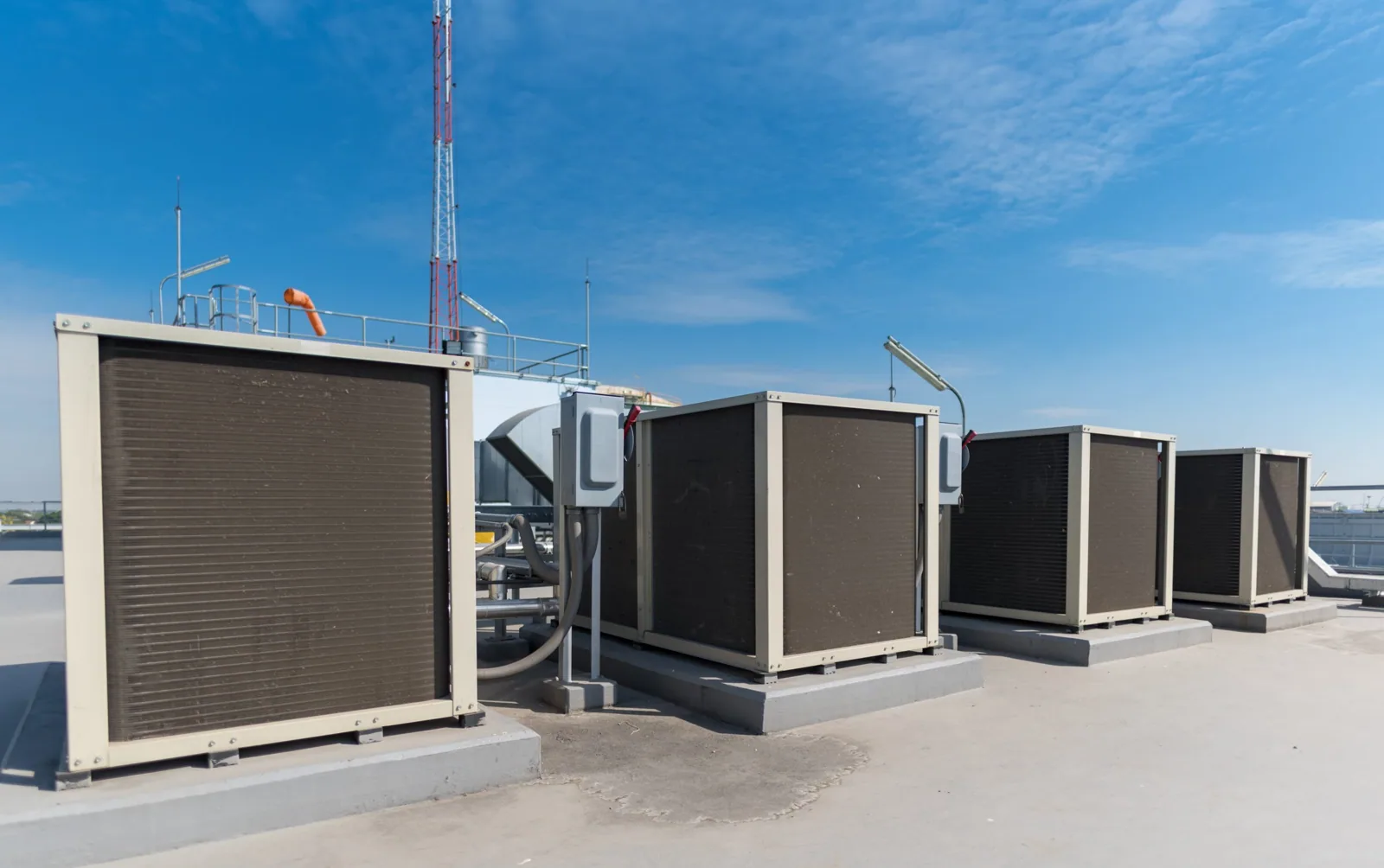
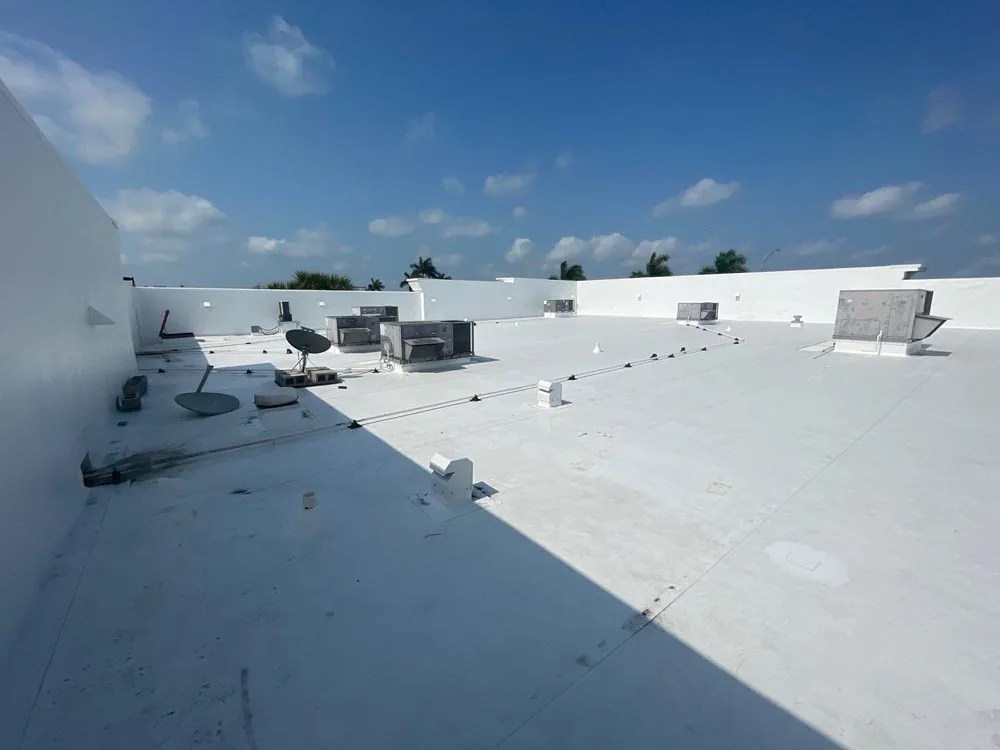
Wiring is the part of a solar job that most often damages a roof. Conduit has to cross the surface, enter the building and connect to the main service, and every crossing is a detail. We prefer to mark the conduit path before racking, so supports are set on proper pads and no run lies in a low spot where water can stand against it. Where conduit must penetrate, we flash it with a pre-formed boot or a liquid-applied flashing resin chosen to bond to the membrane in place. The same care applies to equipment curbs and supports that the array has to work around.
Technicians will be on this roof for decades to clean, inspect and repair the array. Walk pads along the main routes protect the membrane from boots and dropped tools. Without them, the membrane becomes the thing that needs repair first, and the repair crew has to lift panels to reach it.
Different roofs accept solar differently. A mechanically attached or fully adhered TPO membrane with good insulation and cover board is a common base, since the surface is flat, weldable and easy to flash. A standing seam metal roof accepts clamp-on mounts that need no penetrations at all, which is a considerable advantage for long-term water control. A built-up or modified bitumen roof can carry an array if the surface is sound and protected with walk pads and a proper wear layer.
A roof that is soft underfoot, ponding in places, or carrying a patchwork of repairs is not a good base for anything permanent. The insulation and cover board are worth upgrading before panels go up, because they are the layers that resist the point loads from racking feet. We write which layers to change for each roof area before the solar contractor is scheduled.
A roof with an array already on it reaches the end of its life eventually, and the reroof then has to work around the panels. On a building in Lee's Summit, that work is a sequence of its own. The solar contractor de-energizes and removes the panels in sections, we strip and replace the roof beneath each cleared section, and the array returns in the same order. The electrical shutoff, the crane or hoist, and the weather hold are coordinated so no section is left open.
Warning events matter here, because panels stored on a roof edge become projectiles in a gust. Staging areas are chosen and strapped down in advance, and the weather hold rule says when everything stops. Hail is a separate concern: penny-size hail was part of that April 2024 warning, and a panel field plus the roof below should both be inspected afterward, with findings tied to hail damage repair if the membrane is bruised.
Lee's Summit now reviews work under the 2024 I-Codes and the 2023 National Electrical Code for submittals from October 1, 2026 on, and under the 2018 I-Codes for anything submitted earlier. A solar project that touches both the structure and the electrical service meets both sets of rules, so we note the submittal date beside the roof scope. For owners managing a portfolio, the timing of roof work and solar work belongs on the same capital plan.
Match the roof's remaining years to the array's expected years in service. A roof with a few years left under a new array usually means a lift and reset soon after, which is the most expensive way to do either job.
They can, if the penetrations are not flashed to the manufacturer's method or if the manufacturer was not told. We review the warranty terms before racking begins and write the mounting detail to match them.
Ballasted racks avoid penetrations but add weight, so the deck and insulation need to carry it. Attached racks reduce weight and add flashed posts. The structural capacity of the building usually steers the choice before the roofing preference does.
Rarely. The roof under a field of panels cannot be fully replaced without access to the deck, so the array comes off in sections and returns when each section is finished. The solar and roofing crews share one schedule so no area is left open.
The panels and the membrane both need inspection afterward. Hail bruises can hide under racks, so we walk the field and survey the roof surface around the mounts, and the findings are written for the insurance claim if damage is found.
Send the roof plan, the roof age and the solar proposal if one exists. We will walk the roof, measure its remaining life and return a written sequence that shows where roofing work belongs before panels are set.
Request a Roof Assessment