
Roof asset management begins with a list, and a property manager often has a partial one already: a spreadsheet of addresses, a folder of old invoices, a few photographs from the last leak. The work is to turn that scatter into one record per building that says what the roof is, what shape it is in and when someone last looked. In Lee's Summit, MO, a manager may hold buildings along I-470, US 50 and MO 291, in downtown blocks and in neighboring cities, with different tenants, dock hours and entry rules at each. We start with the building list, the tenant hours and the access route for each roof, and we build the record from the first site walk.
The inventory walk visits every roof once, in a planned order, and collects the same information each time. We record the roof system and approximate age as read on the roof, the drainage layout, the number and type of penetrations, the rooftop equipment and its curbs, the edge metal and the visible condition of seams and flashings. Photographs follow a fixed sequence, from a wide view of each roof zone to close views of its details.
Access is part of the record. The hatch location, ladder type, key holder and permitted hours go on page one for every building, along with the staging footprint a lift would use and the doors it must not block. A new crew can read page one and arrive prepared.
Local context sits in the record only where it changes the work. Lee's Summit's mean January high is about 39 degrees and its mean July high about 88, with about 38 inches of precipitation a year, so the record notes the seasonal windows when adhesives and welds can be done, and the months when temporary measures are the only choice. Roofs near the Downtown Historic District get a note about tight sidewalks and shared walls, and roofs along the highway corridors get a note about truck courts and dock doors.
Each roof receives a rating on a simple scale, with the reasons written beside it. A roof is rated on the state of its membrane, its seams and flashings, its drainage and its insulation, and the ratings combine into a plain estimate of remaining service life: years of repair-only maintenance, a window for replacement planning, or a roof that is at the end.
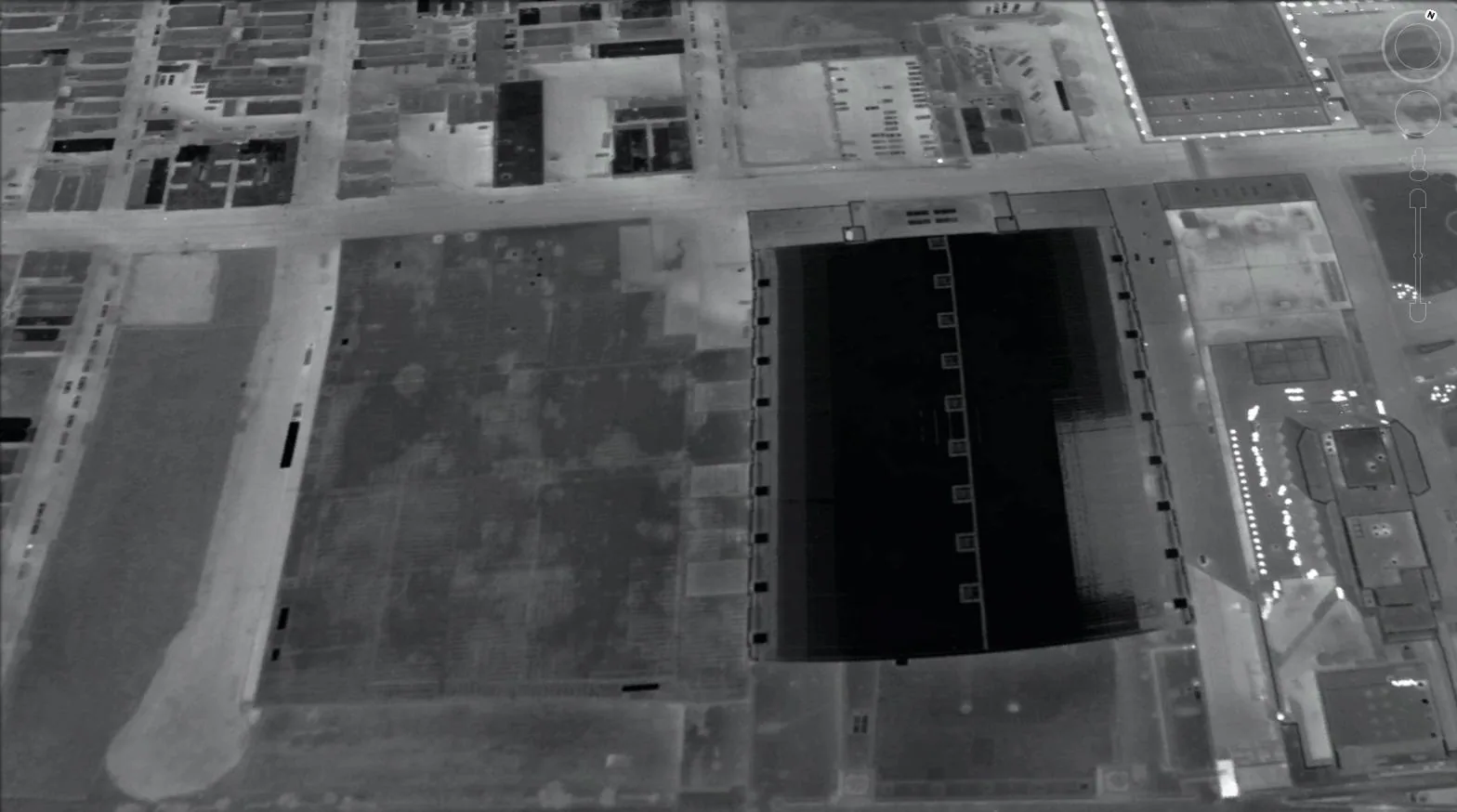
The estimate is a judgment from evidence, not a prediction, and the record says what the evidence is. Where moisture is suspected, an infrared moisture survey and a few core cuts turn the rating from an impression into a measurement. The written roof condition report that results carries the rating, the evidence and the photographs.
Ratings are reviewed with the manager at the end of the walk, not mailed weeks later. A short conversation on the roof or in the lot lets the manager ask why a roof was rated as it was, and it lets us correct any detail the manager knows from the building's history, such as a past repair or a tenant change.
A record that is never updated goes stale in a year. We set a calendar of walks for each building, usually a spring walk before the storm window and a fall walk before the first freeze, with extra visits after any severe weather. A spring storm warning for the city on April 27, 2024 is the kind of event after which a dated walk separates new damage from old wear.
Each walk repeats the same photograph sequence, so changes show up by comparison. A preventive maintenance visit can run in the same trip, clearing drains and resealing small details while the crew is on the roof.
Asset management that ignores tenants fails the first time a crew shows up at the wrong hour. The record for each building lists the tenants under each roof zone, the people who must be told before access, and the hours when loud work or lift use is not acceptable. A short notice template goes with the record, so a walk or a repair can be announced in a minute.
Dock and entry hours are written as a rule: no hoisting over active doors, no staging in the truck court between certain hours, and a named contact who can hold the crew if a delivery is late. For a property management company with many tenants, those rules prevent most of the calls that follow a badly timed visit.
With every building rated, the list can be sorted. Urgent items, such as an active leak over a working suite or wet insulation near electrical equipment, rise to the top. Repairs that protect a sound roof come next, and roofs approaching replacement are flagged for the capital plan.
Each item becomes a work order with a location on the roof drawing, a photograph, a method and an estimate built on the usual price drivers, which are roof area, access, penetrations, wet insulation and tenant hours. The manager approves items in stages, and the status of each is visible at the next walk. Warranty notes ride on the same list, as described in roof warranty management.
The first list is rarely the last. As repairs close, the next layer of items surfaces, and the manager sees the list shrink over several walks. That visible progress is what turns a roof from a surprise into a managed asset.
The record has value beyond repairs. It feeds the reserve schedule, which roof capital planning turns into budgets, and it answers questions from lenders, buyers and insurers without a new inspection. A manager with buildings in Lee's Summit and Blue Springs can compare roofs on the same scale and decide where the next dollar goes.
Drones help at scale. A drone roof inspection shows the surface of a large roof quickly, and the images are filed with the walk record and dated.
Records transfer. If the manager changes, if the property is sold or if a new roofing contractor is brought in, the record travels with the building and the next crew starts from known facts. We keep a copy in the format the owner prefers and update it after each walk.
The building address list, tenant hours and any existing roof plans or repair history. Roof access details for each building speed the first walk, and open leak reports go to the top of the list.
At least twice a year, with a walk in spring and another in fall, and after any severe storm. The photograph sequence is repeated each time so changes are visible.
Yes. Each building gets its own page in the same format, and the list can be sorted by city, condition or remaining life. Travel is planned so one visit can cover several properties.
It shows roof condition with dated evidence and a ranked repair list, so the reader does not need a separate inspection to understand the roof. Reserve figures are tied to findings.
By consequence. Active leaks over working suites and wet insulation near electrical equipment come first, followed by repairs that protect a sound roof and then replacement planning.
Send the building address list, tenant hours and any open leak reports. We will walk the first roof with the property manager and provide a written sequence plan for the full inventory before any scope is priced.
Request a Roof Assessment